T rex Coloring Pages Friendly Prehistoric Adventures for Young Kids

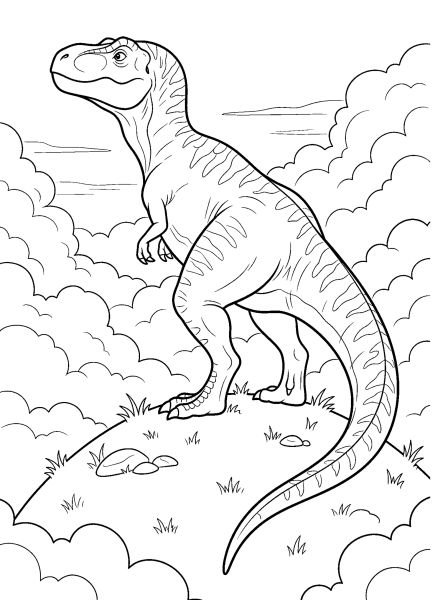
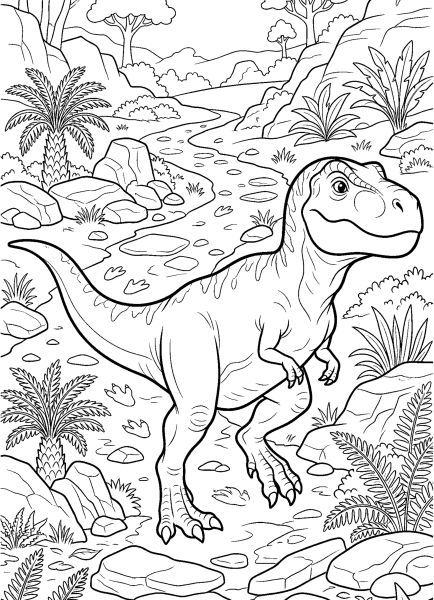
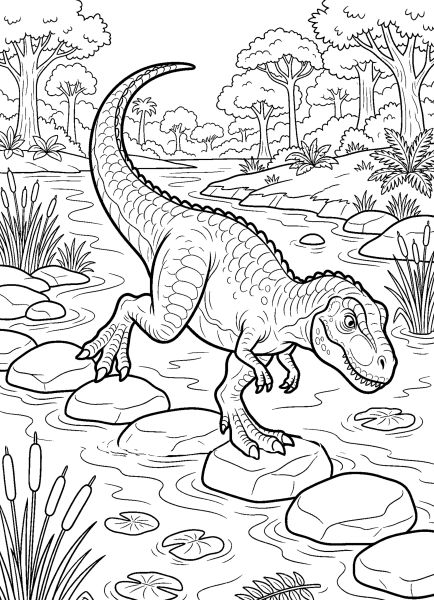
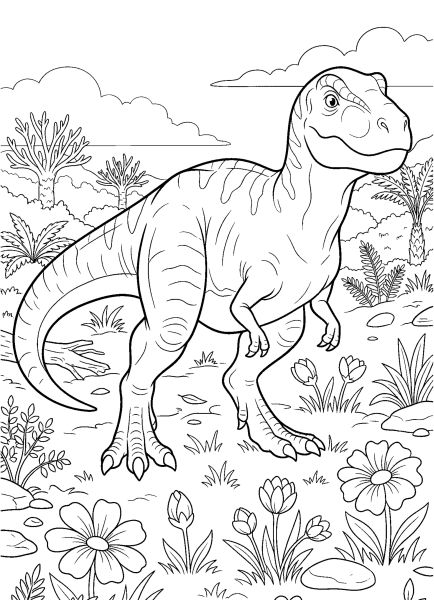
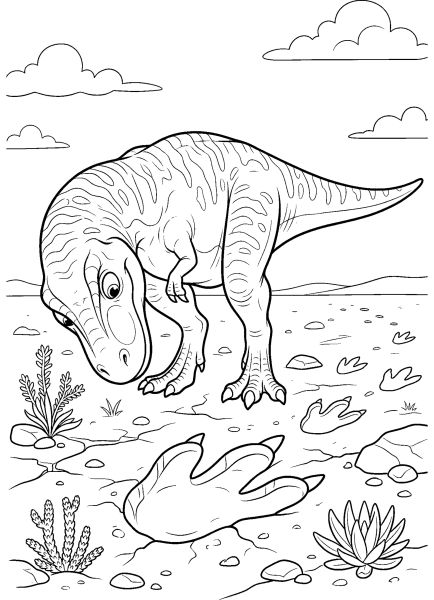
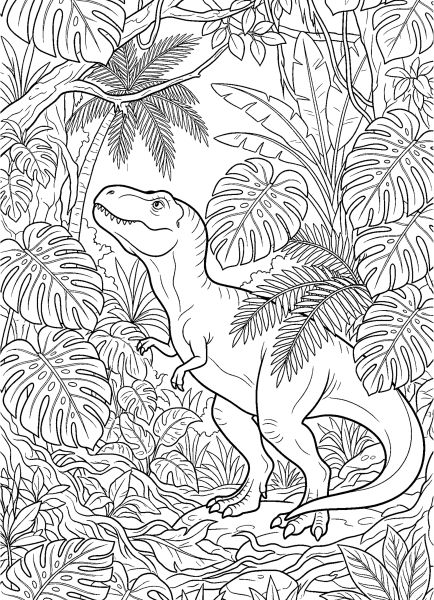
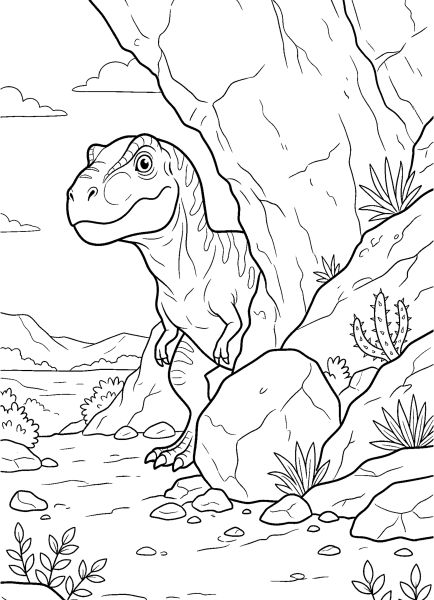
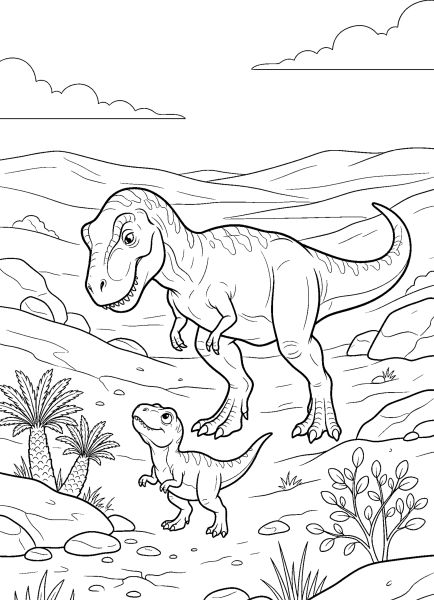
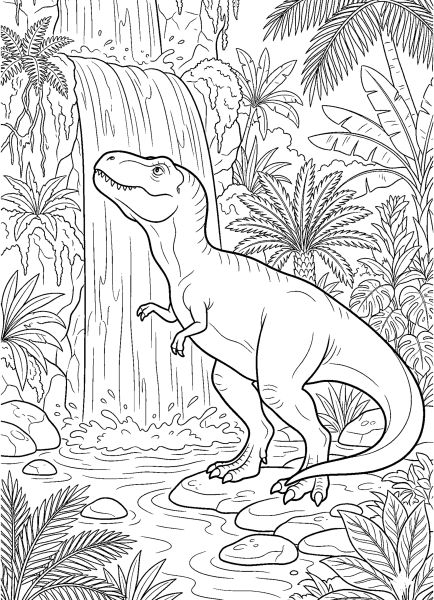
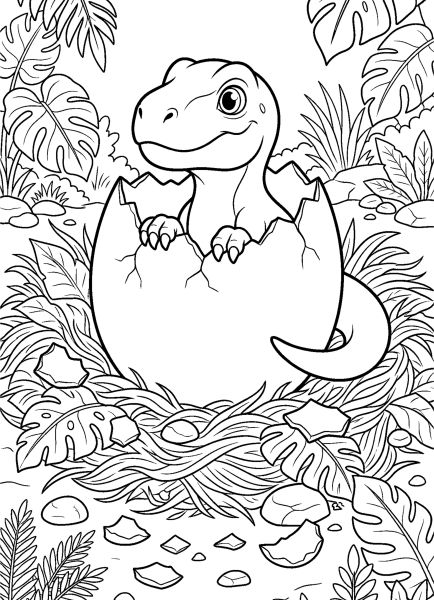
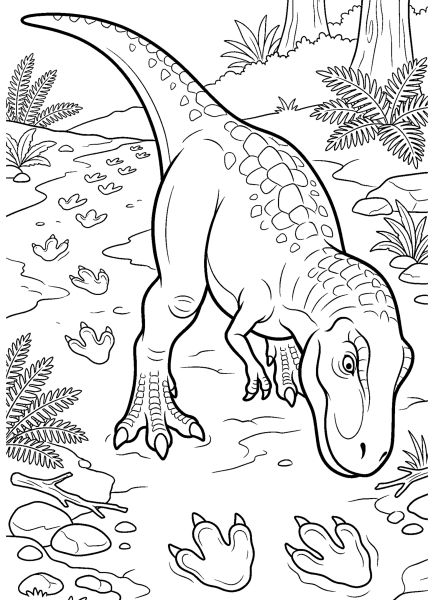
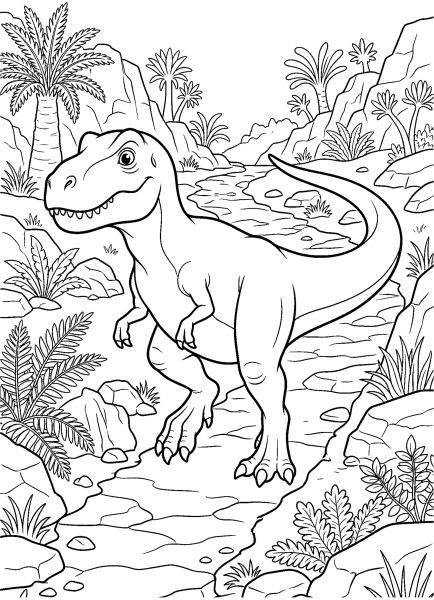
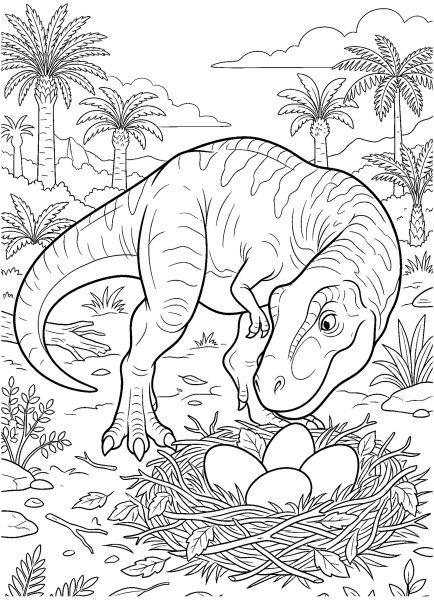
Tyrannosaurus rex is one of the most recognizable dinosaurs in the world, but for young children it does not have to be scary. In this collection, T. rex appears as a curious, playful prehistoric character designed especially for kids ages 5–7. The focus is on friendly expressions, rounded shapes, and clear storytelling scenes rather than dramatic action.

These pages introduce early learners to the idea of dinosaurs in a calm and accessible way. Instead of sharp teeth and aggressive poses, the illustrations highlight exploration, nature, and simple interactions with the environment. This approach keeps the excitement of dinosaurs while making the theme comfortable for younger children.

Understanding the Visual Language of the Theme

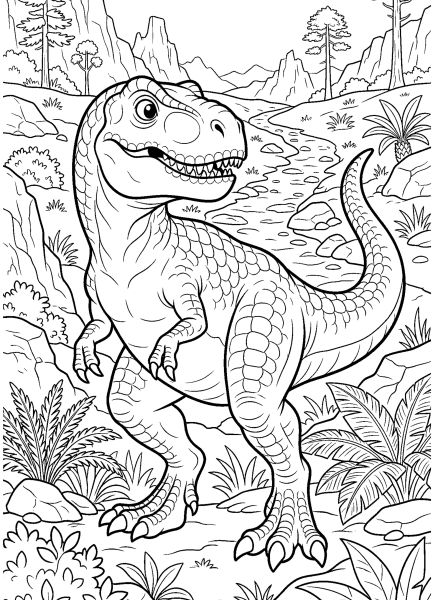
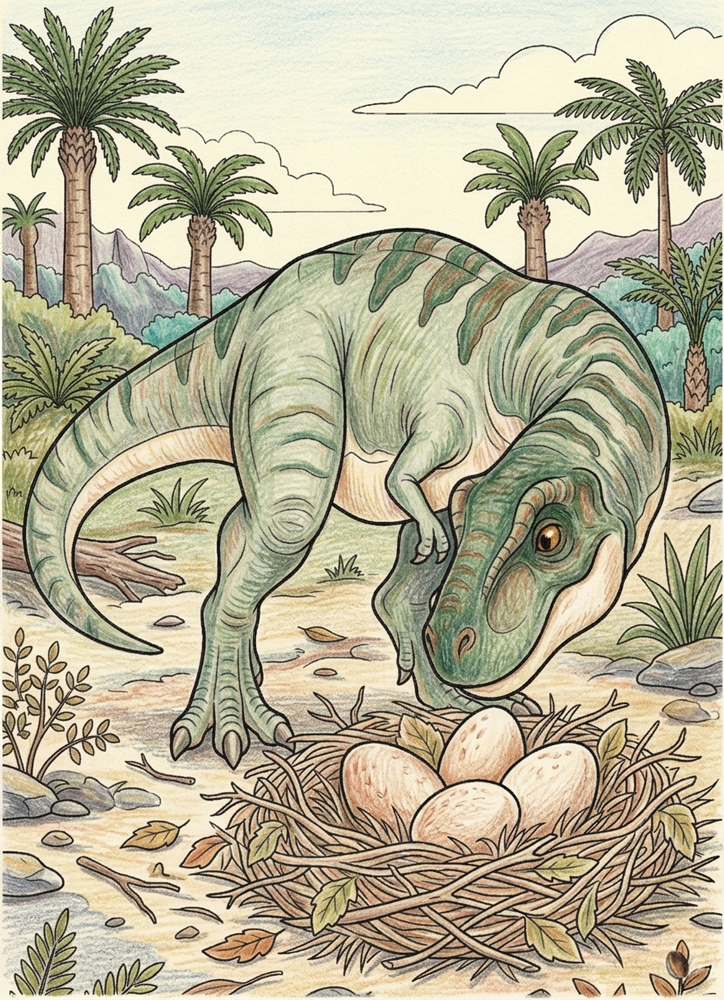
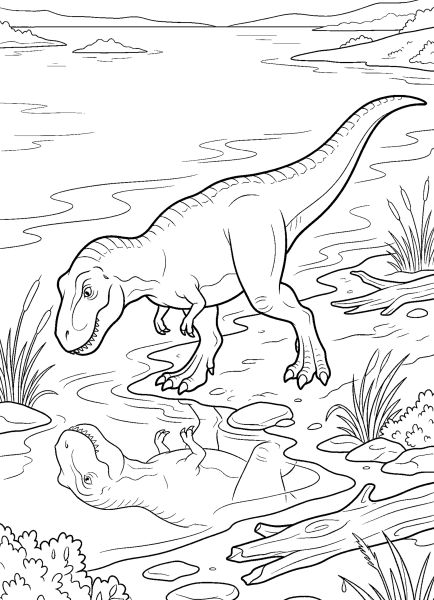
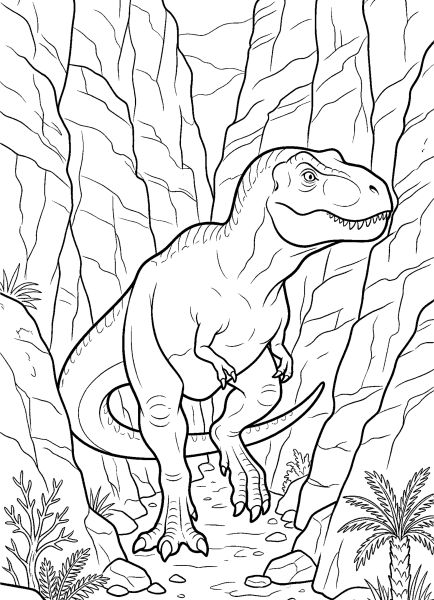
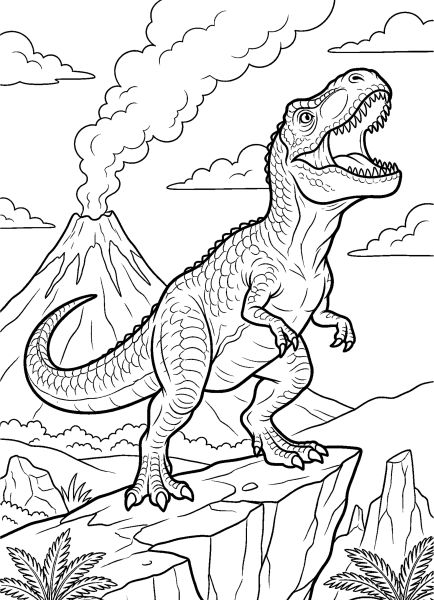
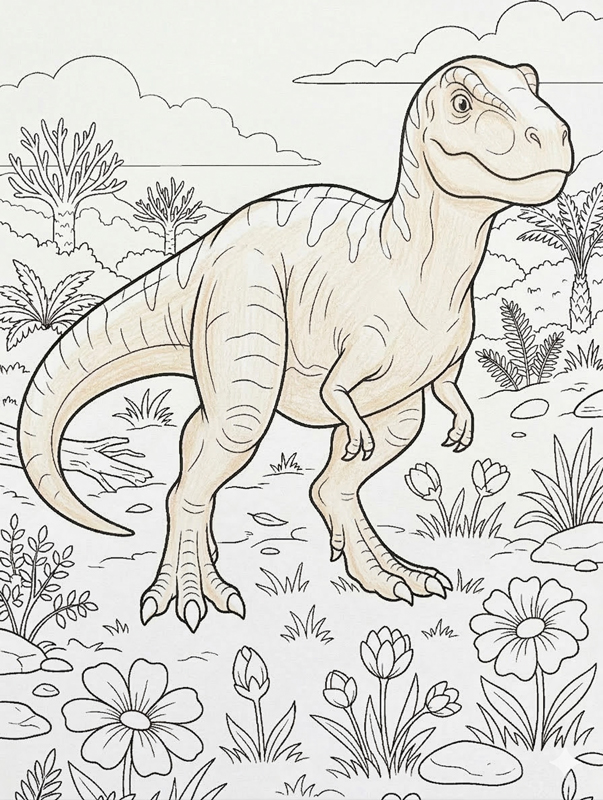
The visual structure of these T. rex coloring pages is built around soft outlines and balanced compositions. The dinosaur figures are large and central, making them easy to recognize and color. Body shapes are simplified with clear contours, and facial expressions are open and friendly.

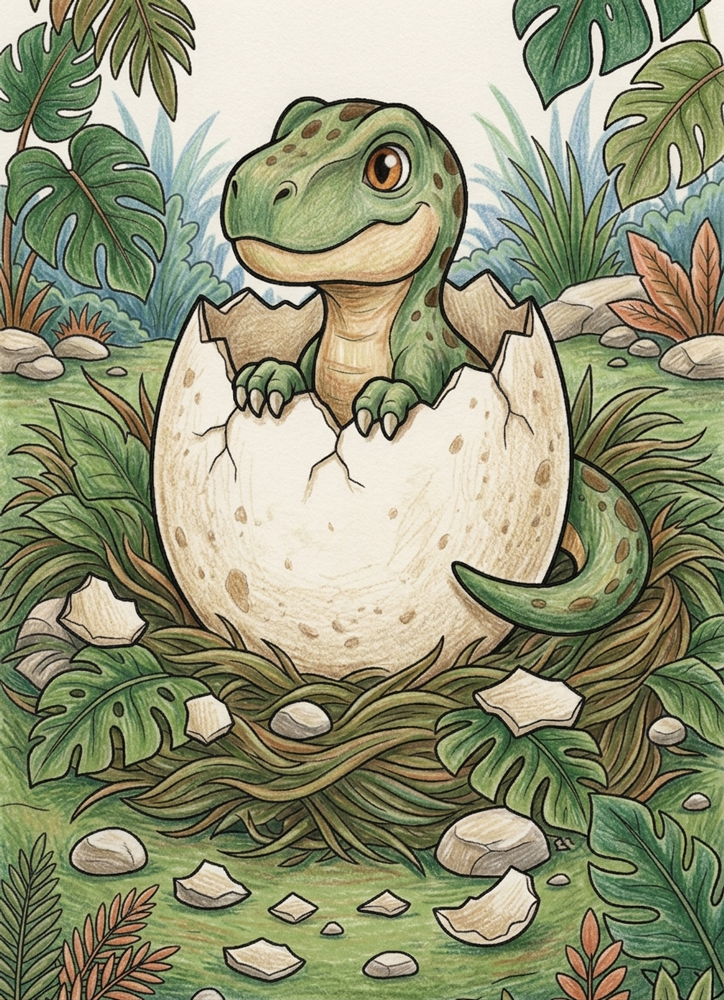
Background elements such as trees, rocks, volcanoes, nests, and footprints are present but not overly dense. Details are distributed evenly across the page so children can focus on one area at a time. The line weight is clean and readable, supporting controlled coloring practice without overwhelming small hands.

The proportions are slightly stylized: rounded heads, gentle curves in the tail, and simplified claws. This makes the dinosaur feel approachable rather than intimidating.

Coloring Techniques / Approach for This Theme

Step 1. Base Color and Light on the Form

Choose the main skin color for the T. rex and apply the lightest shade evenly across the entire body. From the beginning, leave lighter areas on the raised parts:

• top of the head
• back
• upper line of the tail
• shoulders
• tops of the thighs

Do not add dark areas at this stage. The goal is to establish a clean base color and define future highlight zones so the dinosaur’s body does not look flat.

Step 2. Scales: Shadows in Recesses and Along Edges

Take a darker shade of the same color and add shadows only where the body curves inward or where forms overlap:

• under the lower jaw
• beneath the neck
• under the belly
• under the arm
• between visible ribs
• inside leg bends
• at the base of the tail

When suggesting scales, avoid outlining every single one. Instead, use short strokes and small dots in shadowed areas and along the edges of the body. Keep the center of large surfaces smoother and lighter.

This approach allows the scale texture to appear naturally without overloading the drawing.

Step 3. Contrast and Texture: Depth and Dry Reptile Skin

Strengthen the volume carefully by using the darkest tone only in the deepest areas:

• under the jaw
• in the darkest folds
• beneath the belly
• where the legs connect to the body

After that, add scale texture over the mid-tone layer. Use short, broken strokes that follow the direction of the form: along the back from head to tail, lengthwise along the tail, and around the legs following their curve.

Leave clean, lighter patches on raised areas to create a subtle dry sheen typical of textured reptile skin.

If you are using markers, add the final texture with colored pencils or a fine liner in a matching shade. If you are working only with pencils, keep the pressure light so the skin texture remains clean and does not become muddy.

Example Coloring

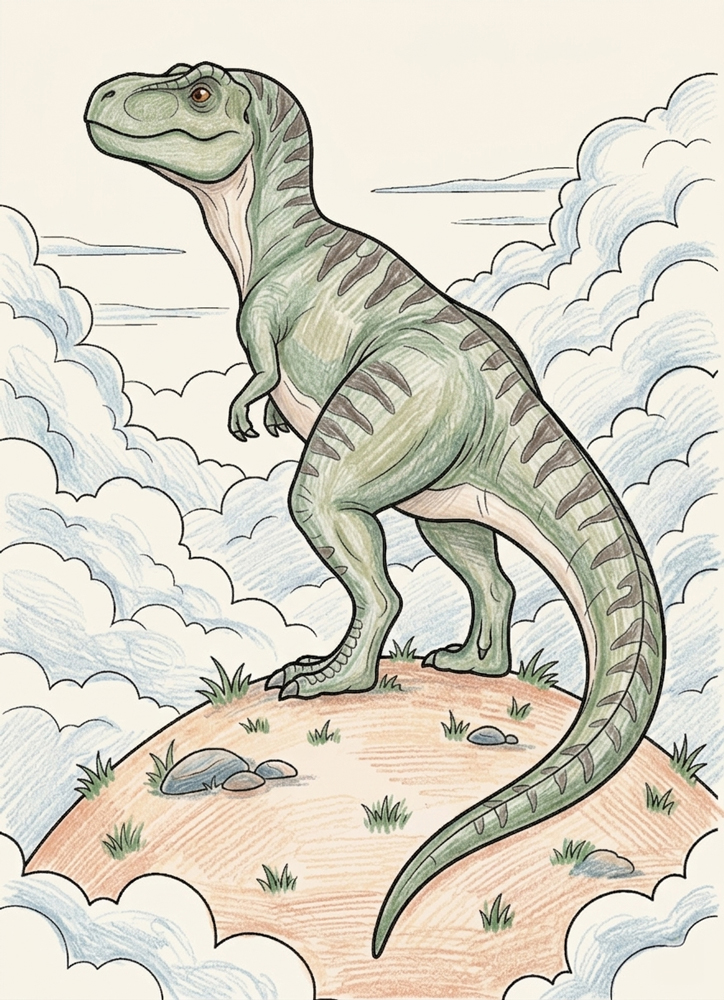
Step 1. Skin: One Light Base Layer (No Shadows Yet)

Take the lightest shade of your chosen color and apply it evenly across the entire body of the T. rex using a soft, even pressure. Do not darken anything at this stage. On the raised areas, such as the top of the head, the back, and the upper part of the tail, use even lighter pressure or leave small areas almost white. These will become natural highlights.
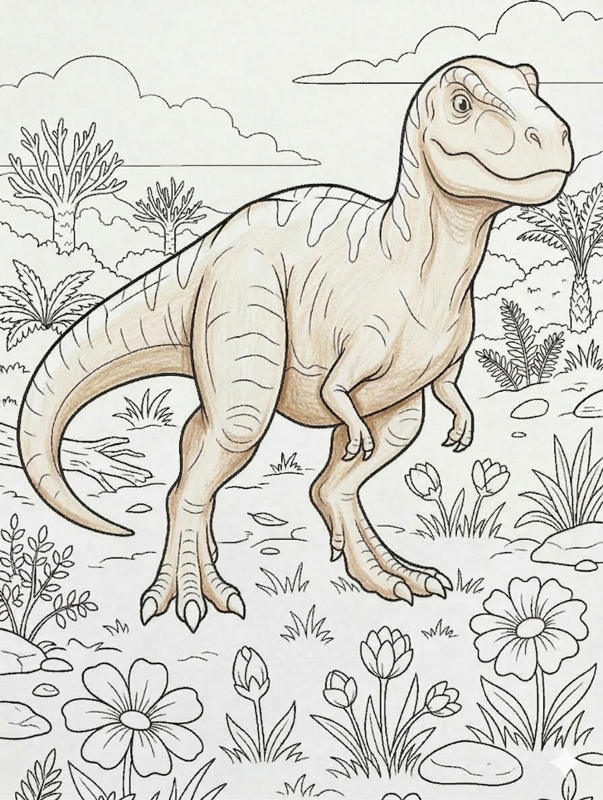
Step 2. Skin: Shadows in the Recesses

Choose a tone 1–2 shades darker and add shadows only in the recessed areas: under the lower jaw, beneath the neck, under the belly, inside the leg bends, at the base of the tail, and under the small arms. Keep the shadows narrow and controlled. Do not cover large areas. The center of the body should remain lighter to preserve volume.
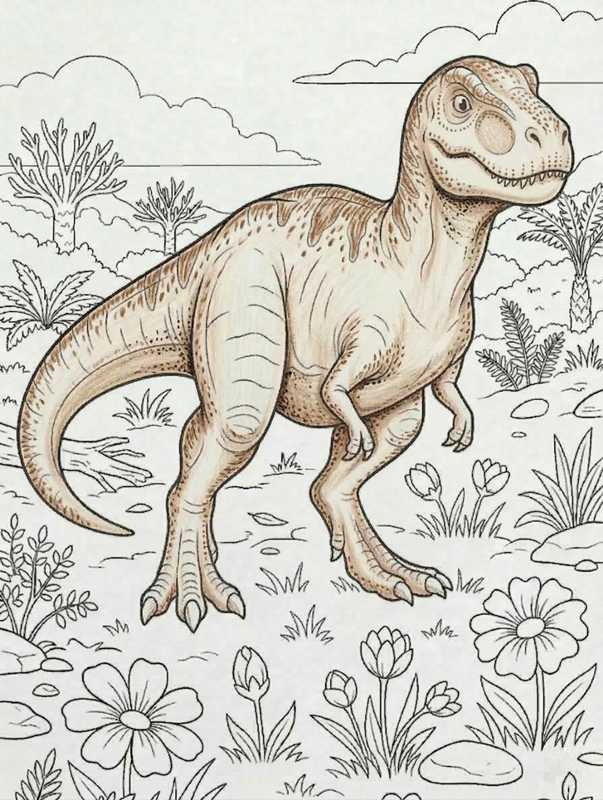
Step 3. Skin: Scales (Selective Strokes and Dots)

Choose a tone 1–2 shades darker and add shadows only in the recessed areas: under the lower jaw, beneath the neck, under the belly, inside the leg bends, at the base of the tail, and under the small arms. Keep the shadows narrow and controlled. Do not cover large areas. The center of the body should remain lighter to preserve volume.
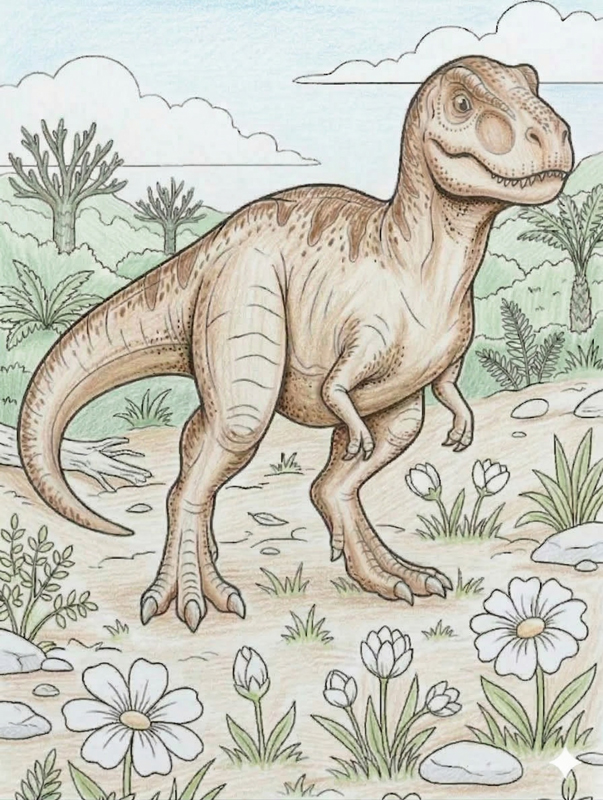
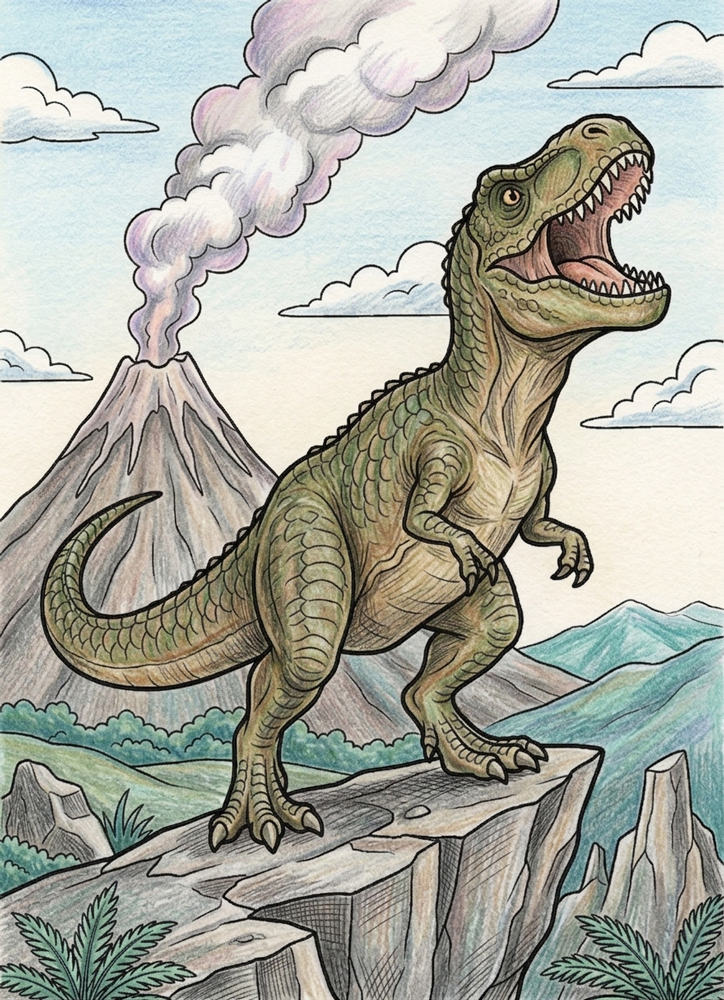
Step 4. Environment: Ground, Plants, and Background

Apply a light brown or beige layer to the ground. Color grass and bushes with light green. Keep rocks very light gray or almost white. For distant trees and bushes, use a softer and slightly lighter green than the foreground so they visually move backward. Leave the sky white or add a very light blue layer only at the top. Keep clouds completely white.
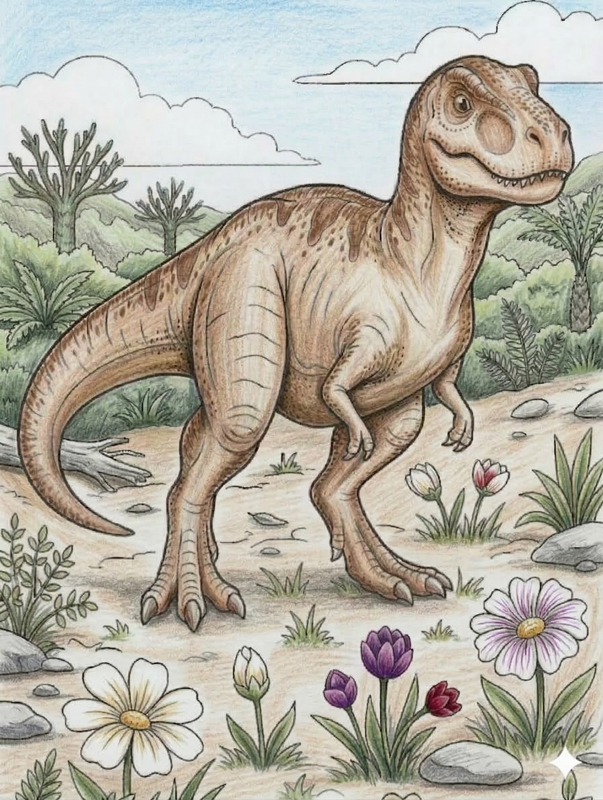
Step 5. Final Touches: Shadows and Accents

Add a soft shadow beneath the dinosaur and under the rocks using light gray or gray-brown so everything feels grounded. Slightly darken the grass near the base of bushes. Color flowers with one or two bright tones, but keep them minimal so the focus remains on the T. rex.

Artistic Composition and Detail Balance

Each illustration places the T. rex as the main focal point. The background supports the scene but does not compete with the character. Large open areas on the dinosaur’s body allow children to practice smooth coloring strokes, while smaller background textures provide optional detail for those ready for a bit more challenge. Negative space is intentionally preserved around the main figure. This creates visual breathing room and helps young colorists clearly understand where one shape ends and another begins.

Practical Application: How to Use

These T. rex coloring pages can be used in several meaningful ways:

• quiet independent coloring time at home
• dinosaur-themed classroom activities
• early science or prehistoric learning units
• birthday party craft tables
• printable activity sheets for travel or waiting rooms

Because the designs are friendly and age-appropriate, they work well as an introduction to dinosaurs for younger children who may be sensitive to intense imagery.

Target Audience: Who These Pages Are Best For

These T. rex coloring pages are best suited for:

• children ages 5–7 who love dinosaurs but prefer non-scary illustrations
• early elementary students practicing controlled coloring
• young artists developing basic shading skills
• families looking for calm, creative dinosaur activities

The designs are structured and clear, with enough detail to stay interesting while remaining manageable for small hands. They offer a playful prehistoric atmosphere without visual overload.

Technical Standards and Download Information

• All pages are formatted for standard A4 vertical printing.
• Clean black outlines on a white background ensure clear, child-friendly designs.
• Suitable for crayons, colored pencils, and markers.
• Optimized for high-quality home printing on regular paper.
• Simple download and print format for easy use at home or in the classroom.

Download your favorite T. rex coloring page, print it, and start coloring right away.

pinit fg en rect red 28

Scroll to Top