Stegosaurus Coloring Pages - Gentle Prehistoric Scenes for Young Dinosaur Fans
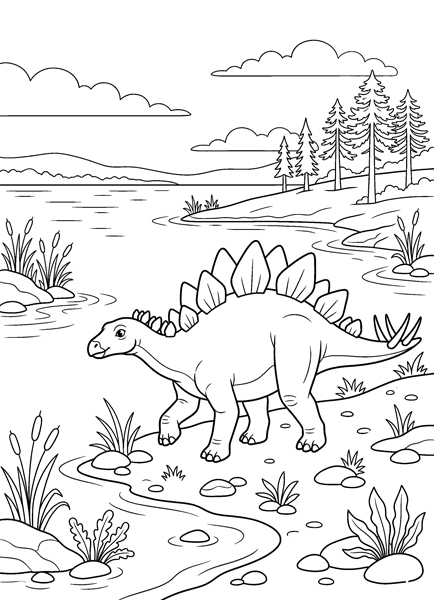
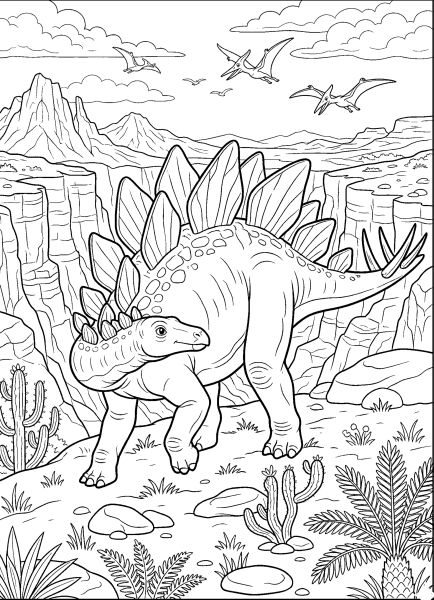
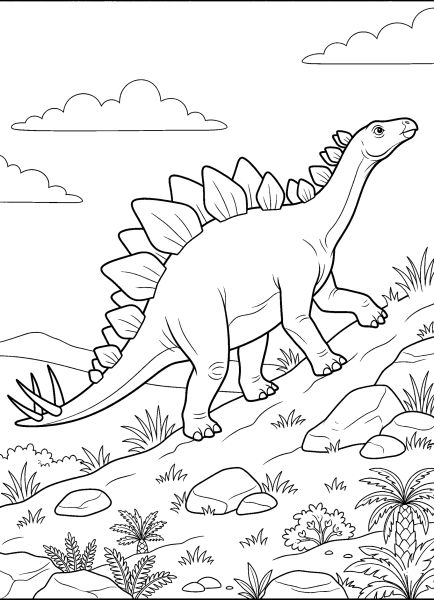
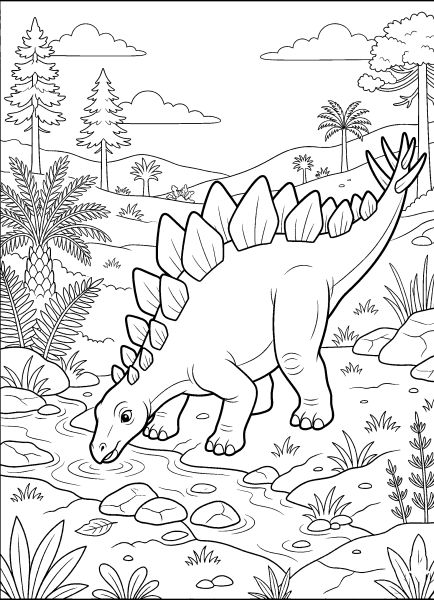
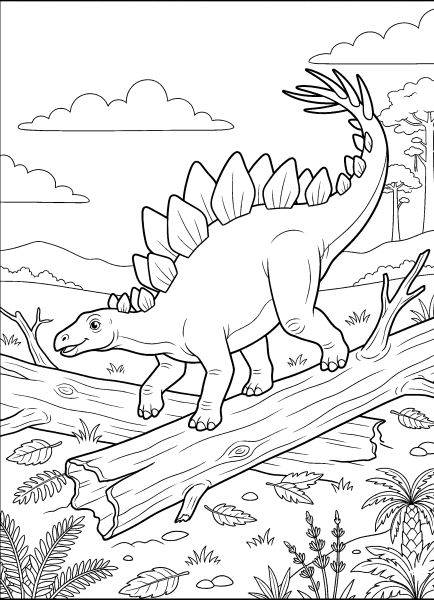
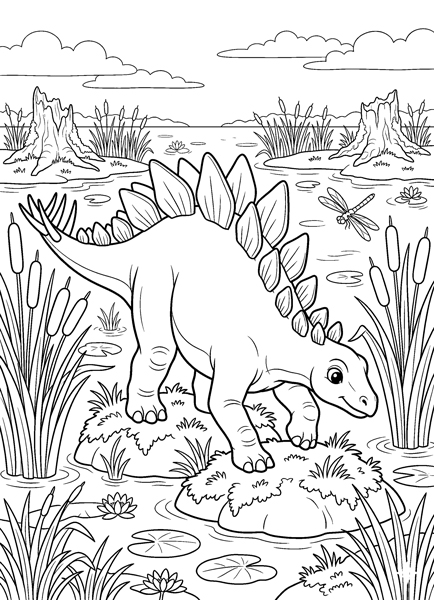
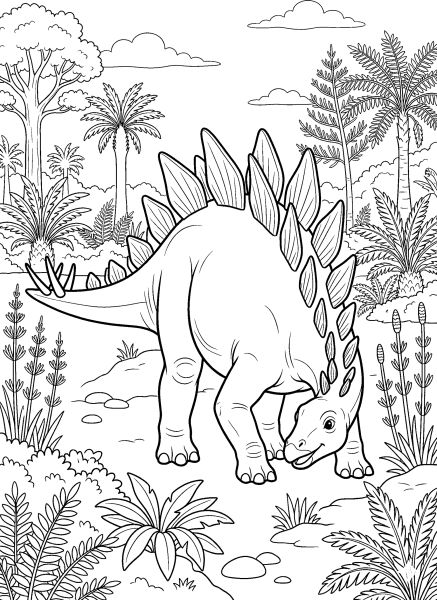
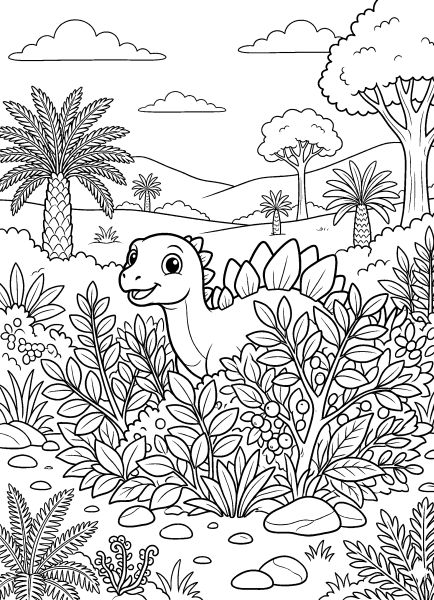
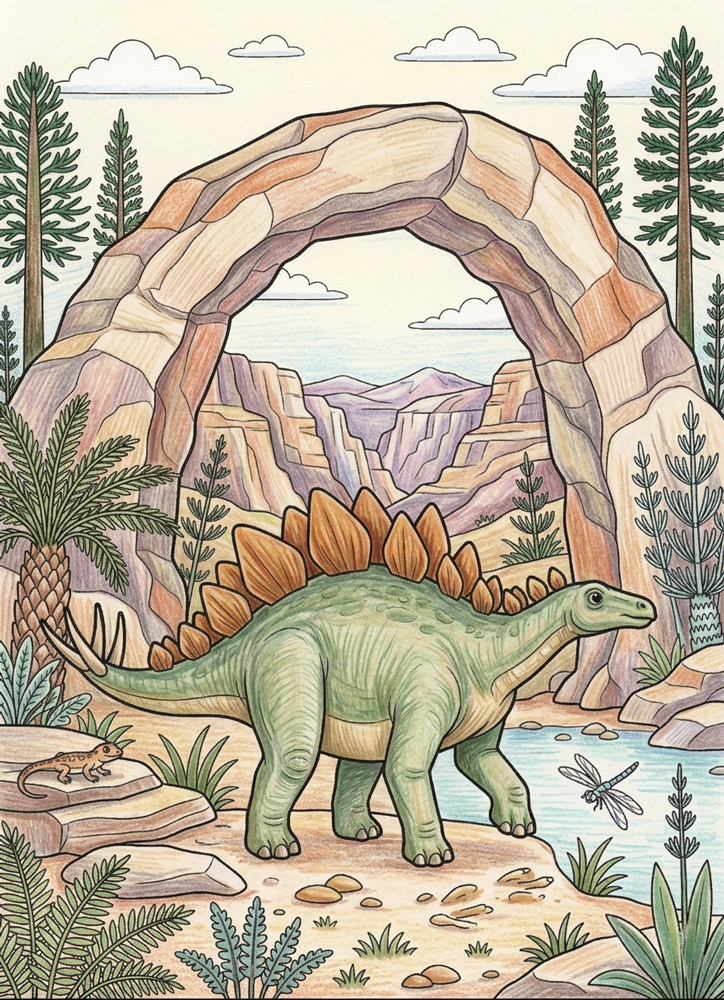
Stegosaurus is one of the most recognizable dinosaurs thanks to its large back plates and distinctive tail. In this collection, the character is presented in a calm and friendly way, created especially for children ages 5–7.
Instead of dramatic action or aggressive poses, these illustrations focus on peaceful prehistoric settings. The Stegosaurus explores forests, walks near rivers, stands among plants, or rests quietly in nature. This approach keeps the excitement of dinosaurs while making the experience safe and comfortable for young children.
The purpose of this page is to combine early curiosity about dinosaurs with a gentle, inviting visual atmosphere.
Understanding the Visual Language of the Theme
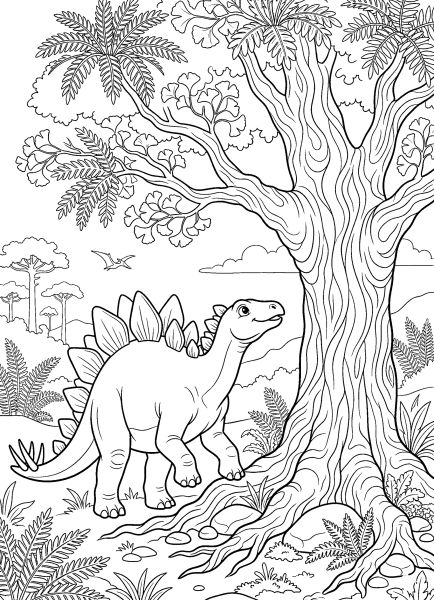
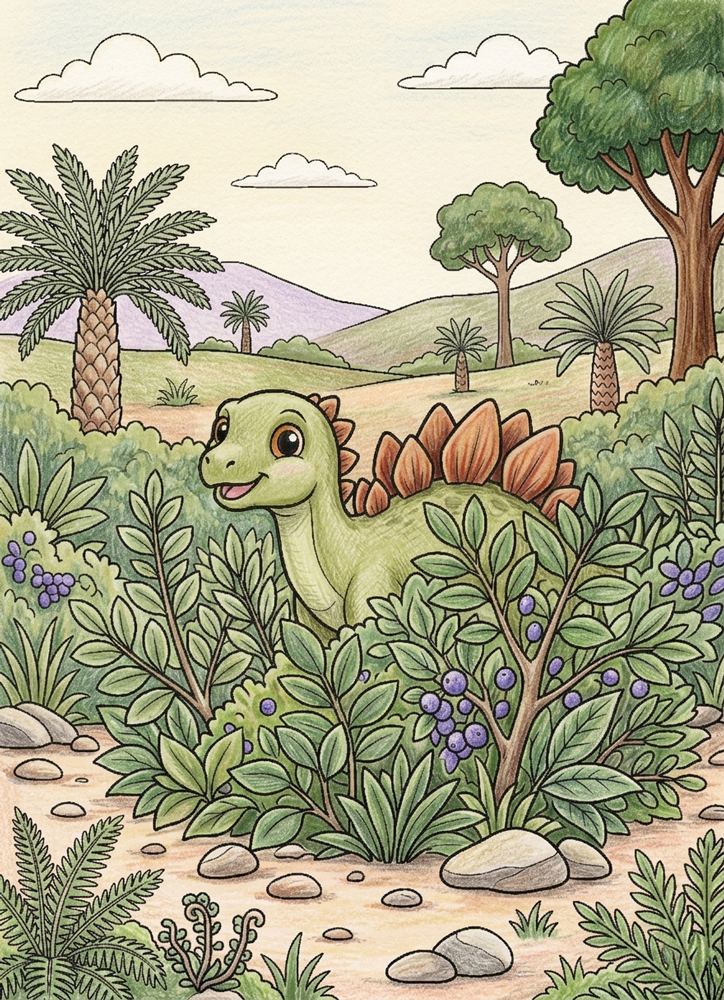
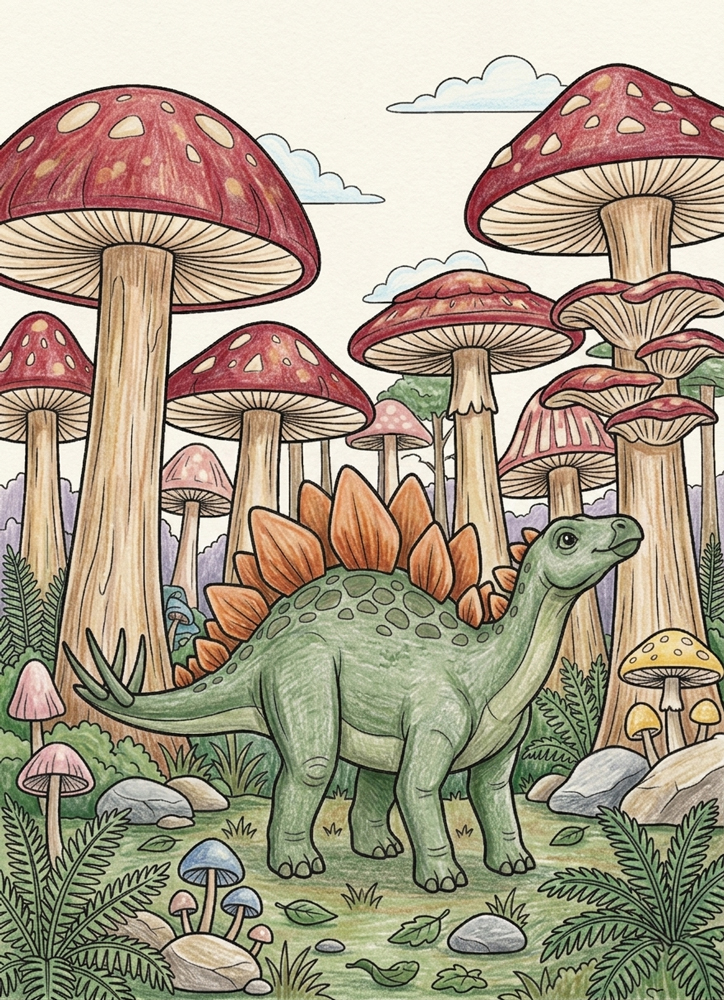
The Stegosaurus in these coloring pages is drawn with rounded contours and simplified anatomy. The plates along the back are clearly defined but not sharp or intimidating. Facial expressions are neutral or slightly cheerful, supporting a non-scary tone.
The dinosaur is usually placed centrally in the composition, making it easy for children to recognize and color the main figure. Background elements such as trees, rocks, grass, and clouds are structured but not overcrowded.
Large open areas on the body allow smooth coloring practice, while smaller background details offer optional texture for children who enjoy working more carefully. The overall detail level remains balanced and age-appropriate.
Coloring Techniques / Approach for This Theme
Step 1. Base: Two Main Colors (Body and Plates/Spikes)
First, divide the Stegosaurus into two large zones: the body and the plates/spikes.
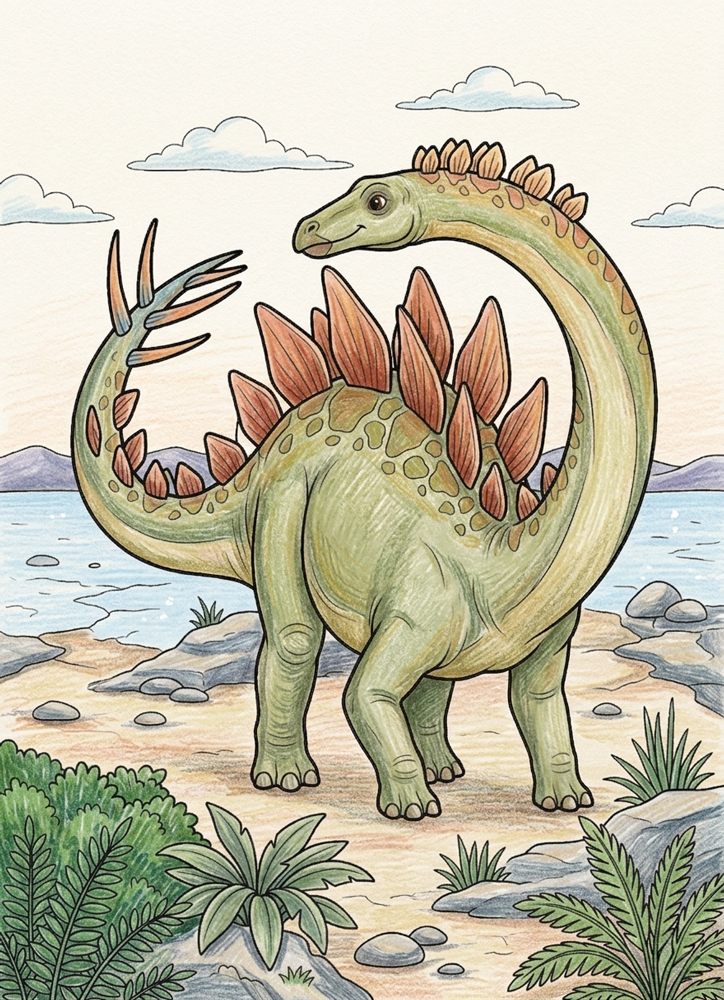
Choose one main color for the body and apply the lightest shade evenly across the entire body, leaving the top of the back and the upper tail slightly lighter.
Select a separate color for the plates. It can be contrasting. Apply the lightest shade to all plates and spikes as well, keeping the outer edges lighter than the center of each plate.
At this stage, everything should look clean and light, without strong shadows.
Step 2. Volume: Shadows and Overlaps
Using a darker shade of the body color, add shadows only where the form curves inward:
• under the belly
• inside leg bends
• at the base of the tail
• beneath the neck
On the back, add a thin shadow line around the base of each plate. This makes the plates look as if they are inserted into the skin rather than flat.
For the plates, use a second darker tone along the lower edge and closer to the base, while keeping the upper edges lighter. This creates the feeling of thickness and structure.
Step 3. Character: Body Pattern and Plate Gradient
Now add a simple repeating pattern to give the Stegosaurus personality. You can choose one of the following:
• soft rounded spots
• wide stripes along the back and tail
• small scattered dots only on the upper body
The pattern should be visible but not overpower the outline. Leave space between spots or stripes so the design feels balanced.
Enhance the plates with a smooth gradient: darker near the base and lighter toward the top edge. Add the darkest accents only in the deepest areas between plates.
Tip: Make the plates noticeably more contrasting than the body, and keep the pattern only on the skin. This allows the Stegosaurus to look expressive even with a simple color scheme.
Example Coloring

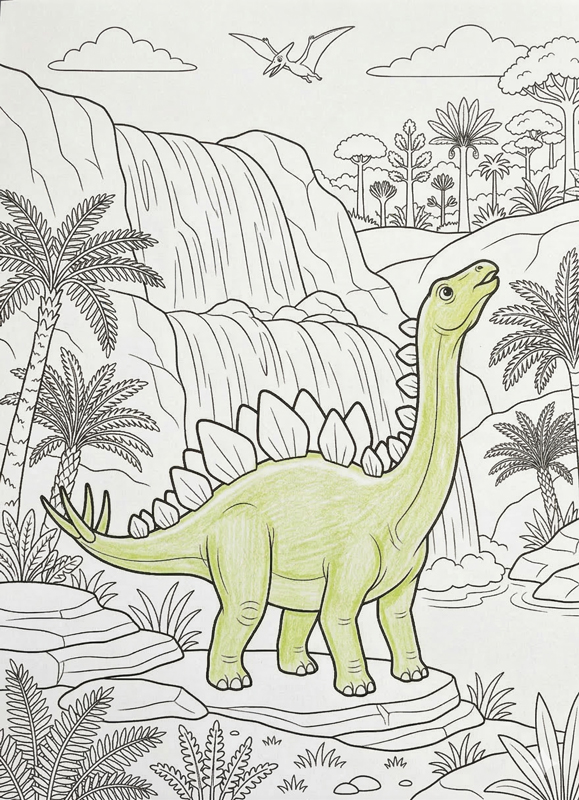
Step 1. Body: One Light Base Layer
Choose the lightest shade of your selected body color and apply it evenly across the entire Stegosaurus using soft, even pressure. Do not darken anything at this stage. On raised areas such as the back, the top of the tail, and the upper neck, press more lightly or leave small areas almost white. These will become natural highlights and prevent the body from looking flat.
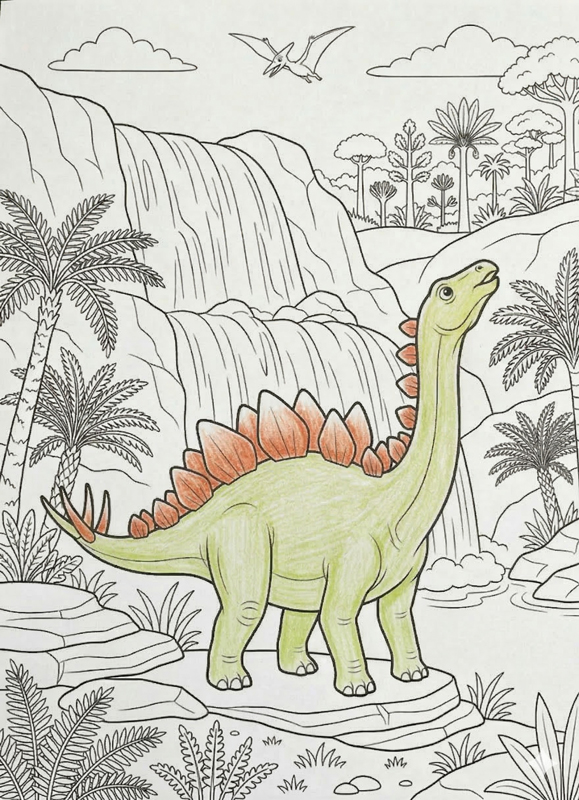
Step 2. Plates and Spikes: Separate Base Color
Select a color for the back plates and tail spikes. It can contrast with the body color. Apply the lightest shade evenly across all plates and spikes. Keep the tips and upper edges slightly lighter than the lower parts, even at the base layer stage. This prepares the form for later depth and contrast.
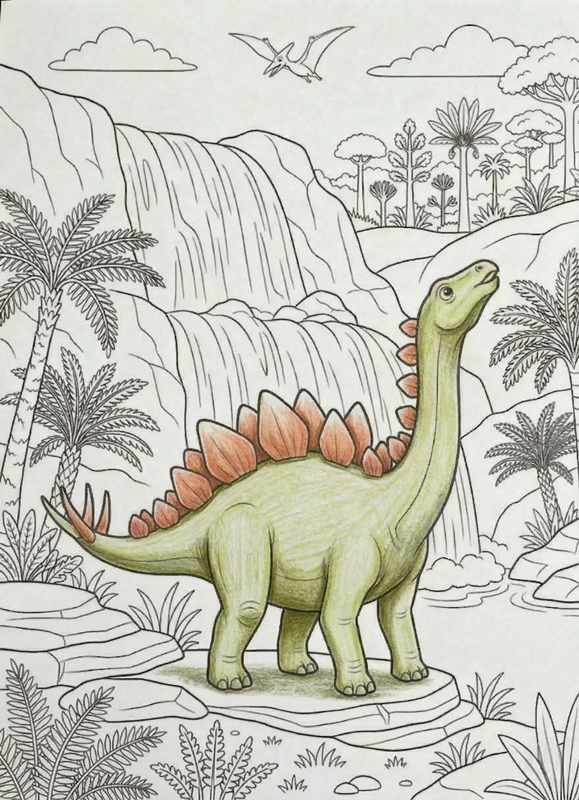
Step 3. Body: Soft Shadows for Volume
Take a body shade that is 1–2 tones darker and add shadows only in recessed areas: under the belly, inside leg bends, at the base of the neck, and at the base of the tail. Add a thin shadow line where each plate grows out of the back. This makes the plates appear three-dimensional and clearly separated from the skin.
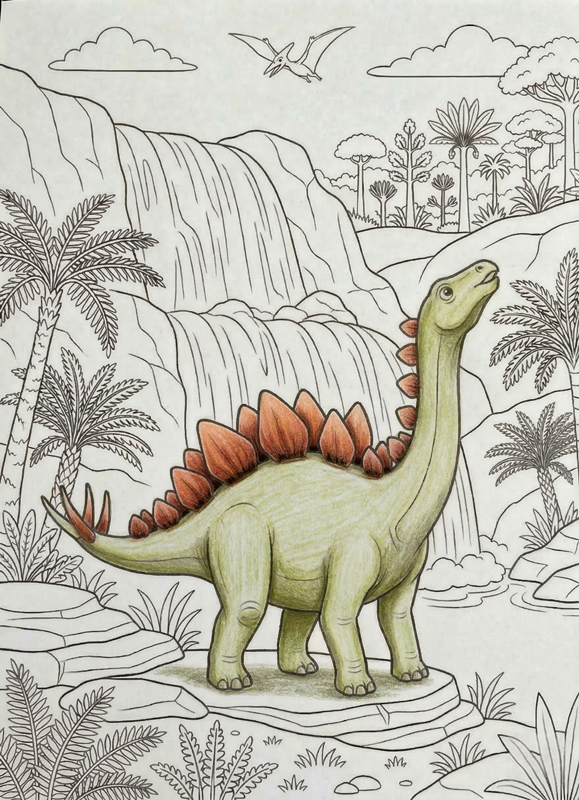
Step 4. Plates: Gradient and Contrast
Using a darker shade of the plate color, darken the lower half of each plate and the areas between plates. Keep the upper edges and tips lighter. Place the darkest accents very carefully only in the deepest areas near the base of the plates and between them. For the tail spikes, darken near the base and leave the tips lighter to create a smooth gradient effect.
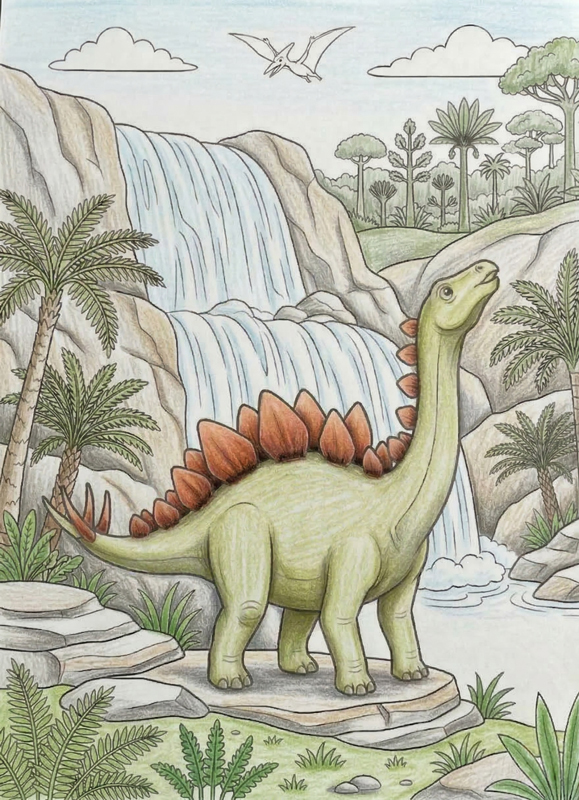
Step 5. Background: Waterfall, Rocks, Greenery, and Sky
Color the waterfall with a very light blue. Add soft gray-blue shadows inside the water streams without making them too dark. Rocks can be light gray or sandy beige, with shadows added underneath and inside cracks. Use two or three greens for plants: distant trees and bushes should be lighter and calmer, while foreground greenery can be slightly brighter. Leave the sky white or apply a very light blue layer only at the top. Keep the clouds white.
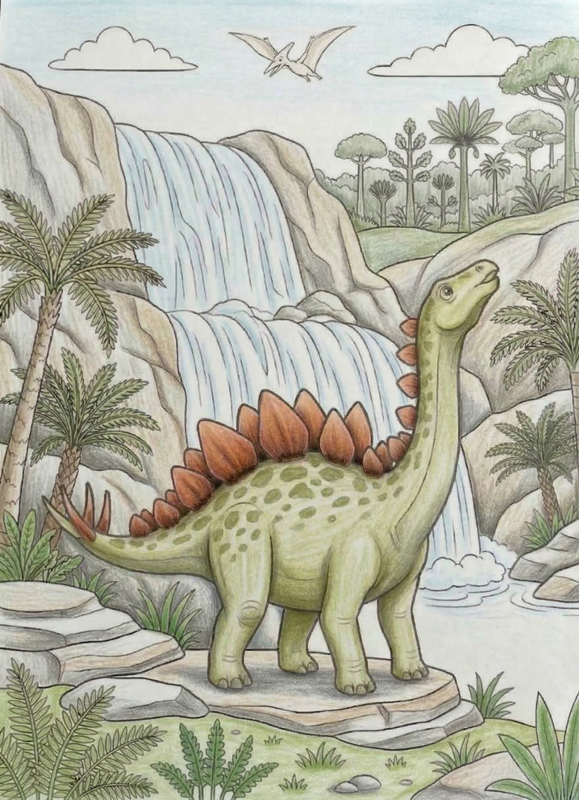
Step 6. Final Touches: Body Pattern and Ground Shadows
Add a simple pattern to the upper body and tail of the Stegosaurus, such as soft spots or broad stripes. Keep the pattern subtle so the dinosaur looks expressive but not overly busy. Add a light gray shadow under the dinosaur on the rock and beneath nearby stones to visually anchor the scene. The pterosaur in the sky and small background details should be colored softly so the Stegosaurus remains the clear focal point.
Artistic Composition and Detail Balance
The silhouette of the Stegosaurus acts as the visual anchor of each page. The repeating rhythm of the back plates naturally guides the eye from head to tail.
Foreground plants and background scenery are arranged to frame the dinosaur rather than compete with it. This keeps the focus clear and helps young colorists understand where attention should go.
Negative space around the sky and ground areas creates visual breathing room. This makes the illustration easier to read and reduces visual overload for children ages 5–7.
Practical Application: How to Use
Stegosaurus coloring pages can be used for:
• dinosaur-themed learning activities
• early science or prehistoric units
• quiet home coloring sessions
• printable classroom worksheets
• creative birthday party tables
These pages are especially helpful for introducing herbivorous dinosaurs and discussing prehistoric environments in a simple, accessible way.
Target Audience: Who These Pages Are Best For
These Stegosaurus coloring pages are best suited for:
• children ages 5–7 who love dinosaurs but prefer friendly designs
• early elementary students practicing controlled coloring
• young artists developing basic shading awareness
• families looking for calm dinosaur-themed activities
The illustrations provide enough structure to stay interesting while remaining manageable for small hands.
Technical Standards and Download Information
• Standard A4 vertical format
• Clean black linework on a white background
• High-resolution files for clear printing
• Child-friendly proportions and expressions
• Suitable for crayons, colored pencils, and markers
Download your chosen Stegosaurus coloring page, print it on regular paper, and enjoy a peaceful prehistoric coloring activity at home or in the classroom.

