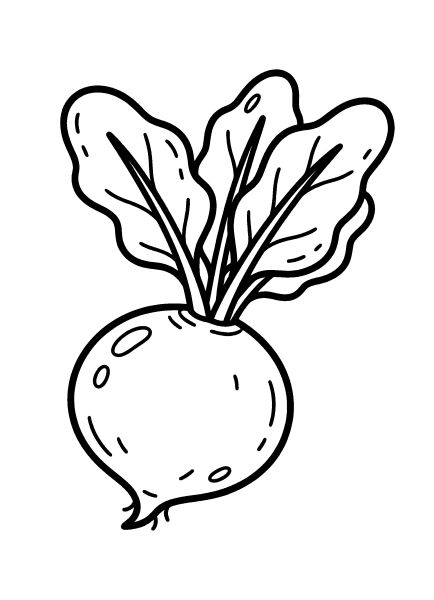
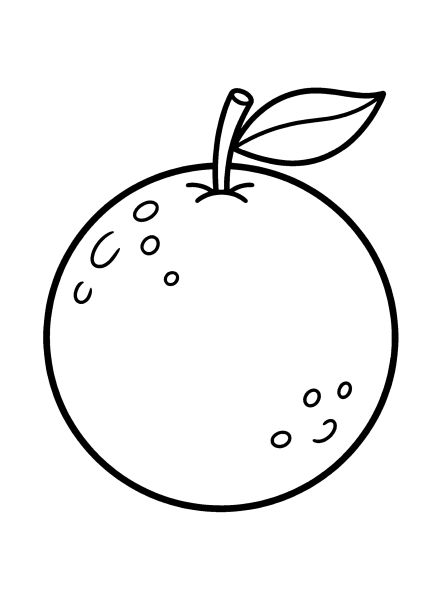
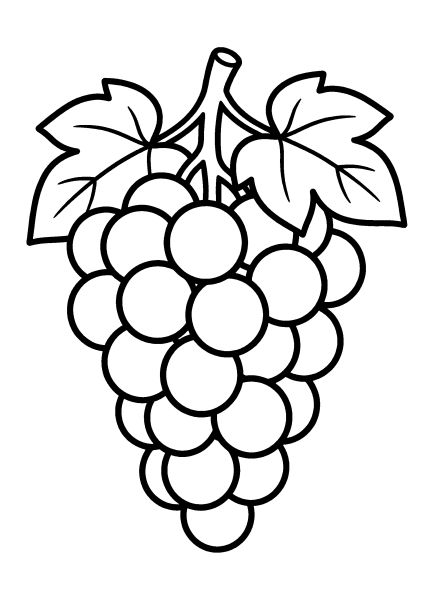
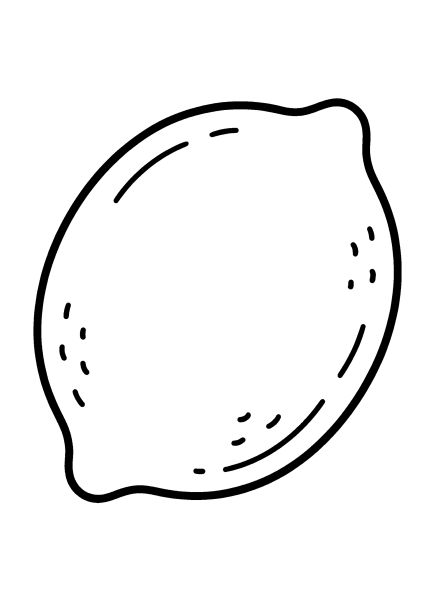
Understanding the Visual Language of the Theme
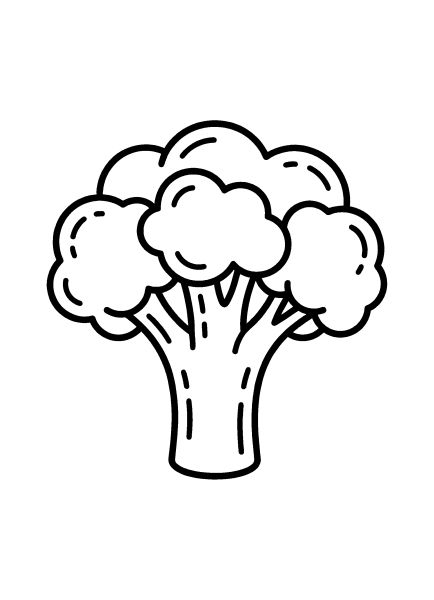
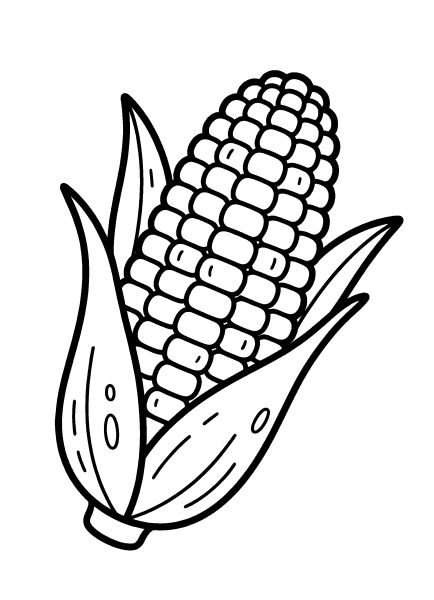
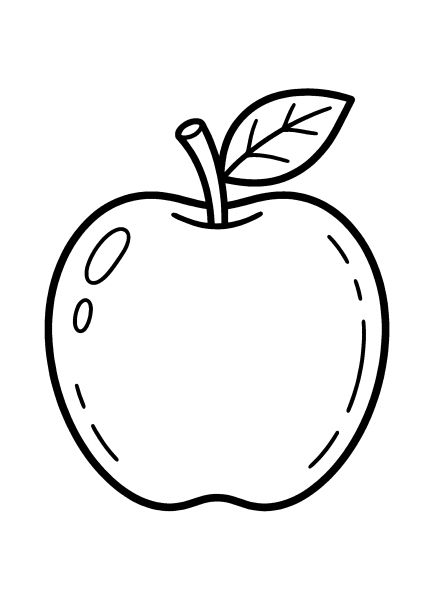
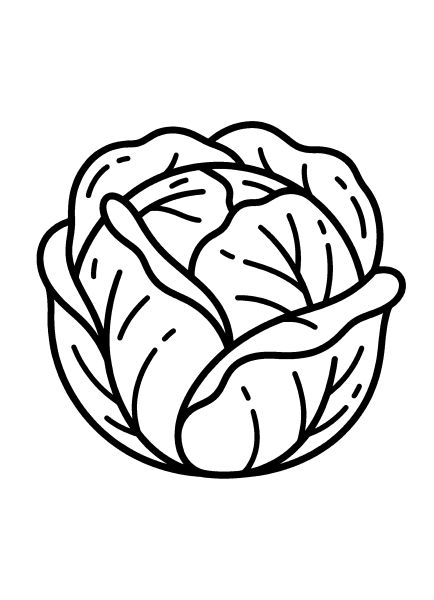
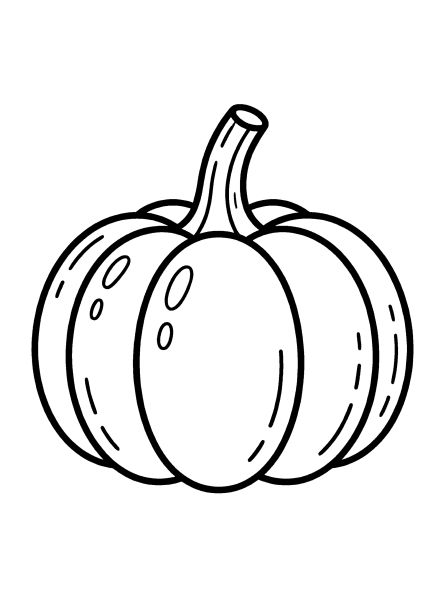
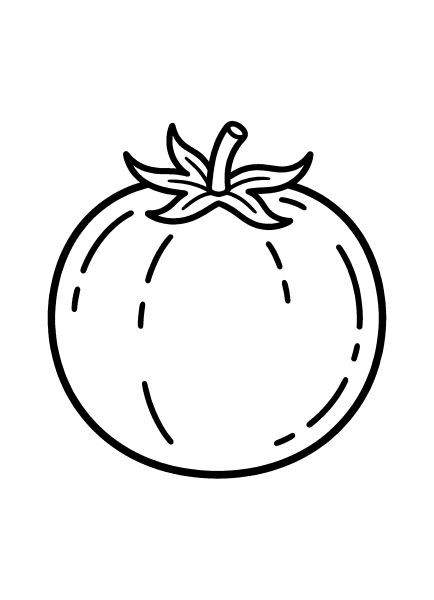
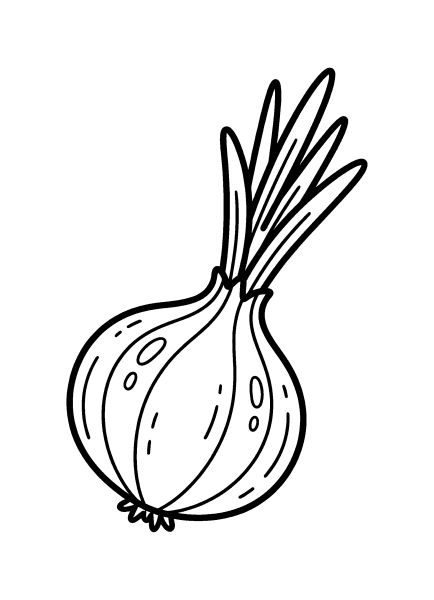
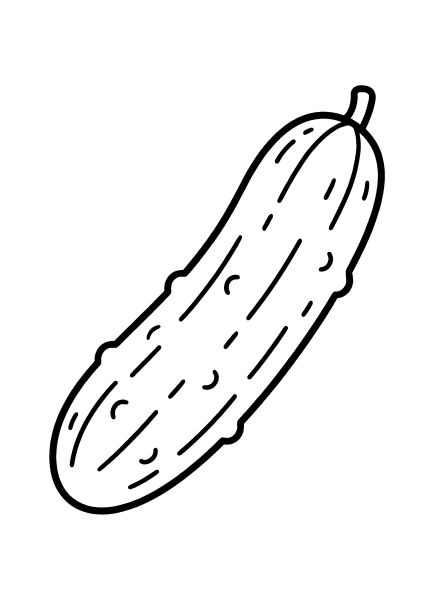
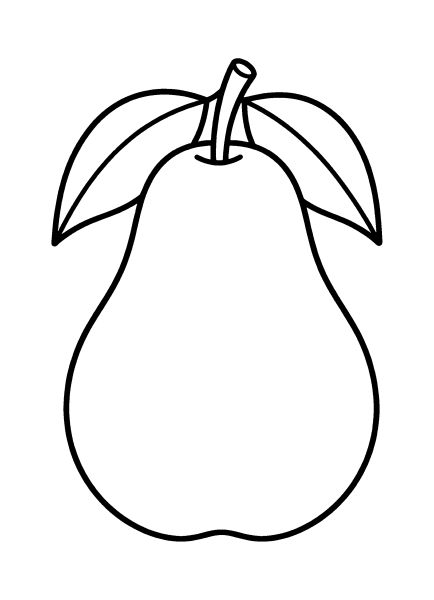
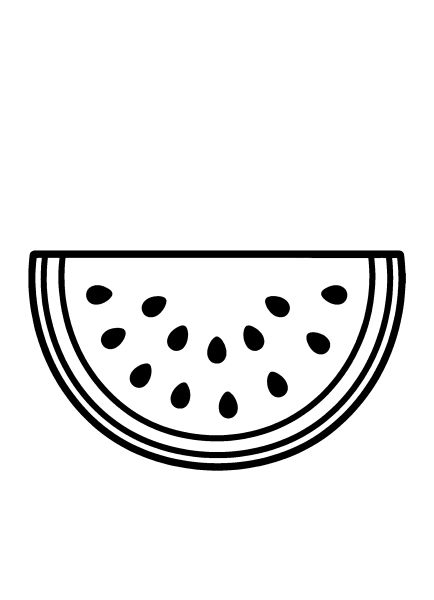
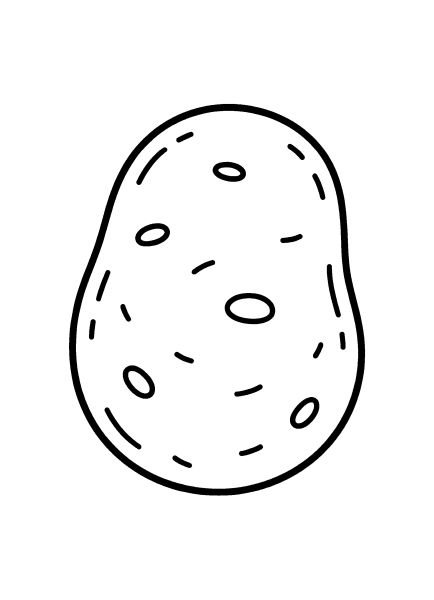
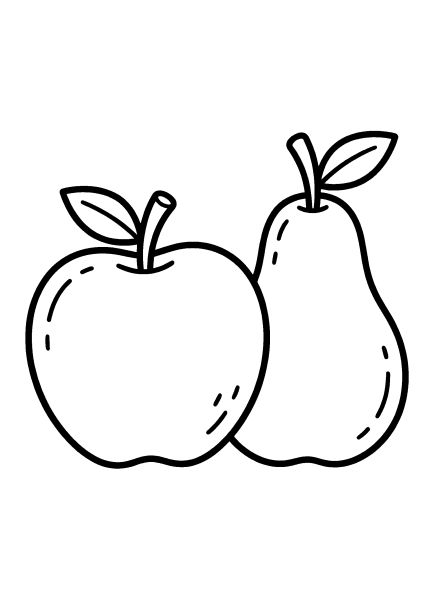
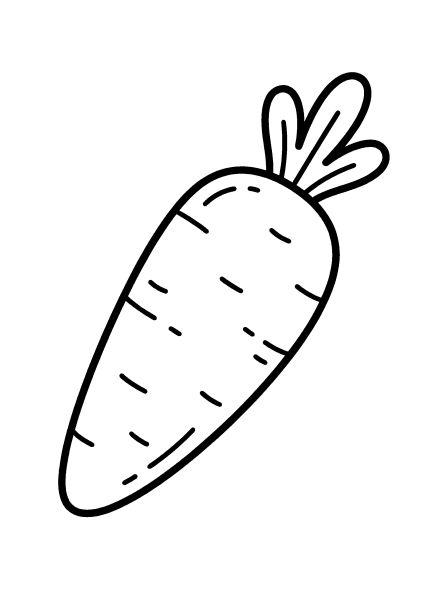
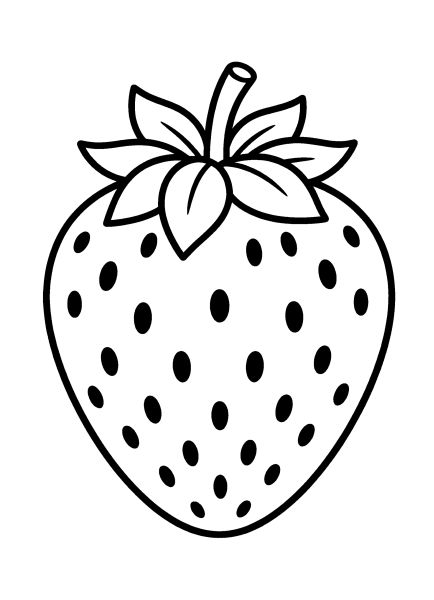
The visual structure of these pages is intentionally simplified to support early learning. Shapes are bold and rounded, with thick, clean outlines that clearly separate objects from the background. Key characteristics include:
- Minimal Details: Elements are spaced widely (like seeds on a strawberry) to avoid visual noise.
- Single Focal Point: Each page focuses on one central object without overlapping elements or distracting backgrounds.
- Exaggerated Proportions: Broad leaves and smooth edges make objects instantly identifiable for young eyes.
Coloring Techniques / Approach for This Theme
At the toddler stage, coloring is about exploration rather than precision. Developing fine motor control is a journey, and it’s perfectly normal for children to color outside the lines or use unexpected colors. This stage is all about building hand stability and muscle memory.
Parenting Tip: Use this time to build vocabulary. Ask questions like “What color is a banana?” or “Have you eaten a carrot before?” to connect motor practice with language development.
Artistic Composition and Detail Balance
We use generous negative space to reduce overwhelm. The object is centered and large enough to fill most of our vertical A4 sheet. The absence of background detail is intentional—toddlers benefit from visual clarity, making the activity feel manageable and successful for them.
Practical Application: How to Use
These simple fruits and vegetables pages are versatile tools for:
- Early preschool activities and food-themed learning units.
- Quiet playtime at home and introducing healthy eating concepts.
- Sensory learning: place a real apple next to the page to compare shapes and colors.
Target Audience: Who These Pages Are Best For
This collection is designed specifically for toddlers ages 2–4 and early learners who are just beginning to hold crayons independently. At this stage, progress is measured through engagement and improved grip, not neatness.
Technical Standards and Download Information
All simple coloring pages are provided as high-resolution printable PDFs. Each page features bold black outlines and simplified shapes, optimized for home printing on A4 or US Letter paper. Download, print, and let your toddler explore the world of color freely!