Easy Fruit and Vegetable Coloring Pages
🍎 Free Printable Easy Fruit and Vegetable Coloring Pages
These free printable easy fruit and vegetable coloring pages feature familiar foods drawn with bold outlines, large coloring spaces, and minimal detail. Most pictures show a single fruit or vegetable against a plain white background, without complicated patterns or surrounding scenery. The designs are suitable for toddlers, preschoolers, and beginners who prefer simple pictures to color rather than detailed botanical illustrations. Each coloring sheet is available as an individual A4 PDF to download and print.
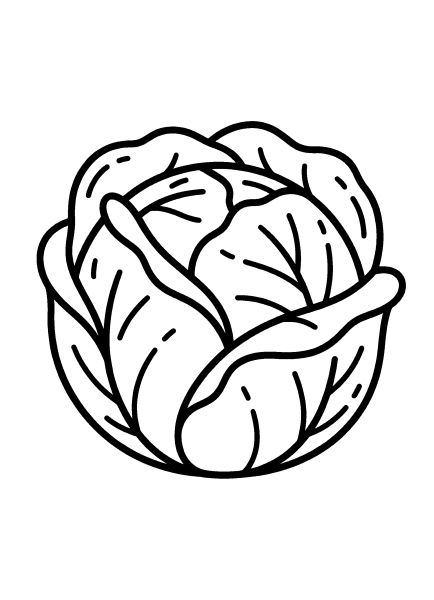
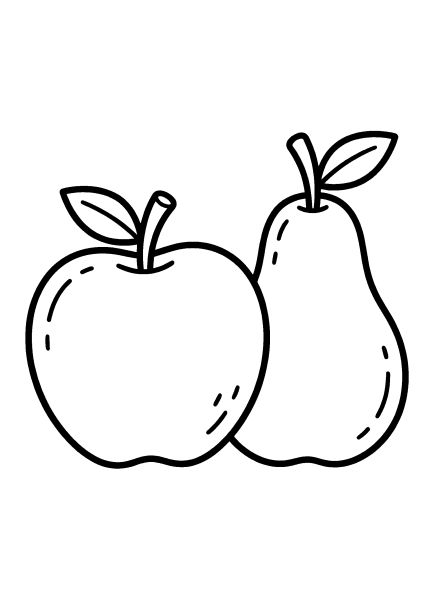
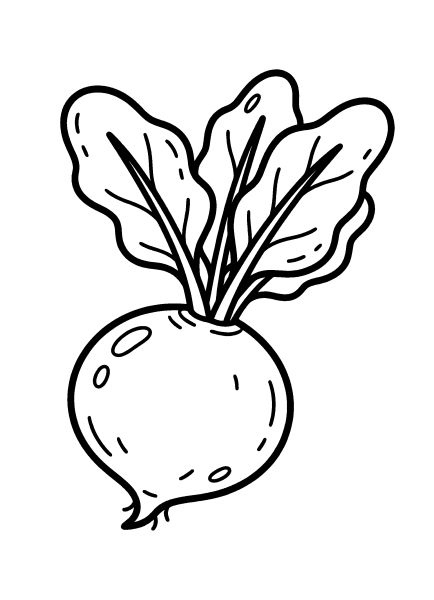
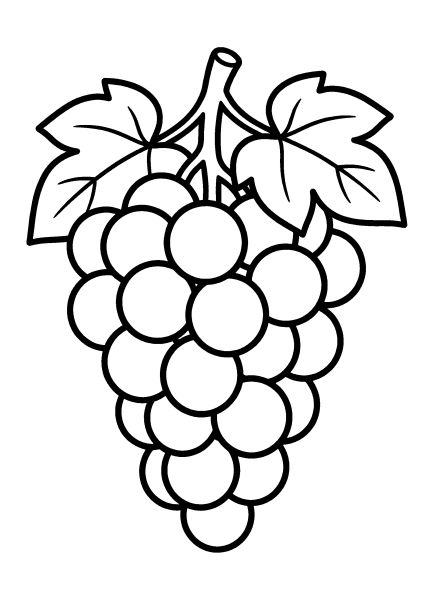
The collection brings together everyday fruits and vegetables, from apples, bananas, pears, and strawberries to carrots, broccoli, corn, cabbage, and beetroot. Some illustrations have broad, uninterrupted shapes, while others include recognizable features such as grape clusters, corn kernels, overlapping leaves, and watermelon seeds. There is also a picture of an apple and pear together. These simple fruits and vegetables coloring sheets offer a choice of familiar foods with different shapes and just enough detail to keep each picture interesting.
🥕 A Closer Look at Simple Fruit and Vegetable Pictures
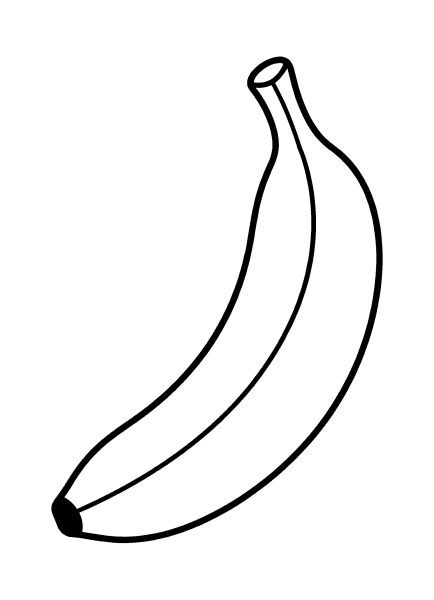
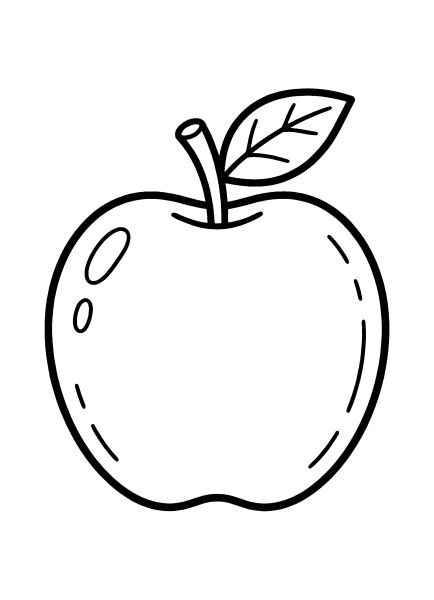
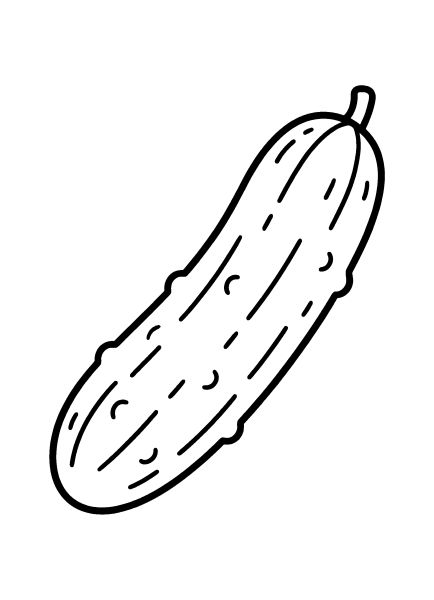
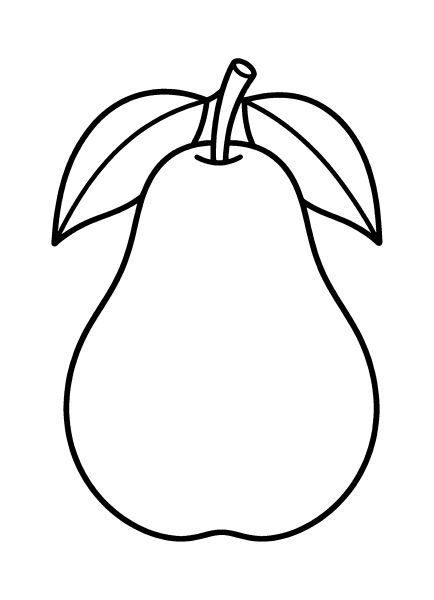
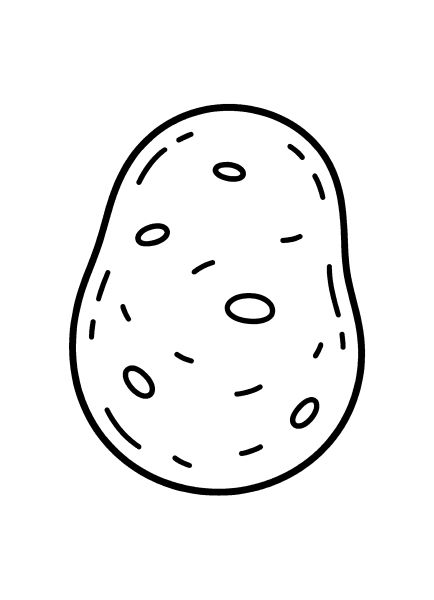
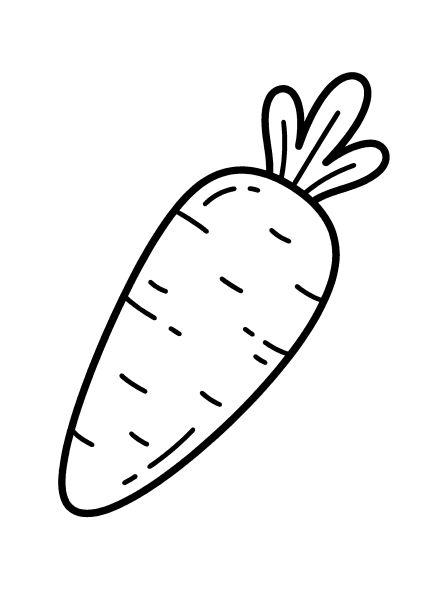
Many familiar foods can be recognized by their outer shapes before any color is added. A banana has a long, curved outline, while a cucumber is more irregular and covered with small surface marks. A pear is narrow near its stem and wider at the bottom, unlike the more evenly rounded apple. The carrot tapers toward a point, and the potato has an uneven oval shape. These differences make the drawings useful for noticing and comparing the appearance of everyday produce.
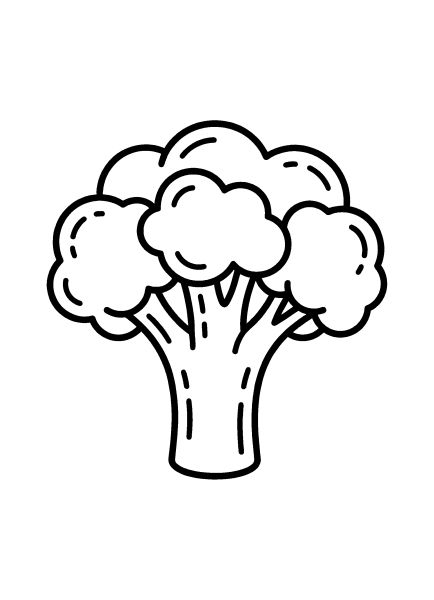
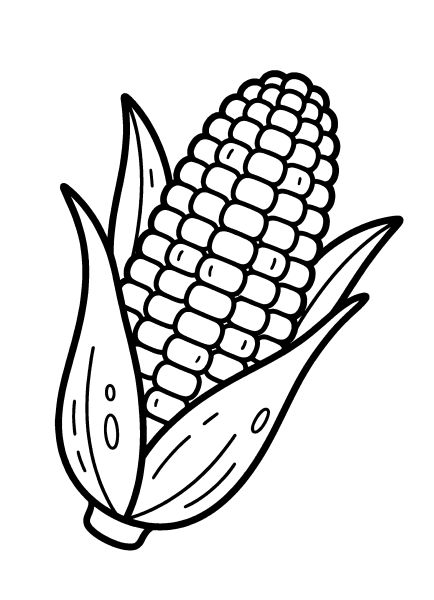
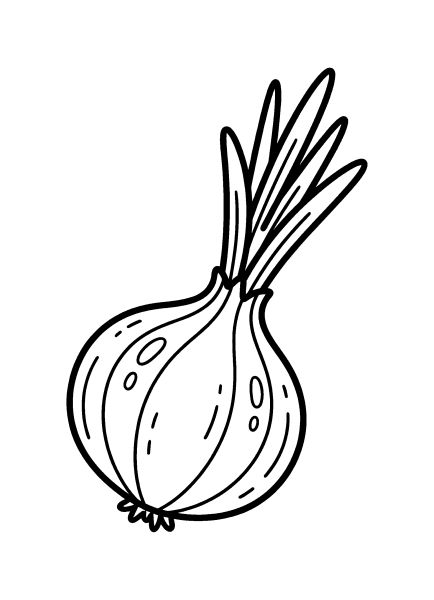
The illustrations also show how differently edible plants are structured. Broccoli has a sturdy stalk that branches into rounded florets, while cabbage is formed from broad leaves wrapped around one another. Corn grows in rows of kernels inside pointed husks, and grapes hang in a cluster beneath vine leaves. The onion has long shoots rising from its bulb, whereas the beetroot has large leaves above a round root. These features make the foods identifiable without requiring realistic textures or complicated botanical details.
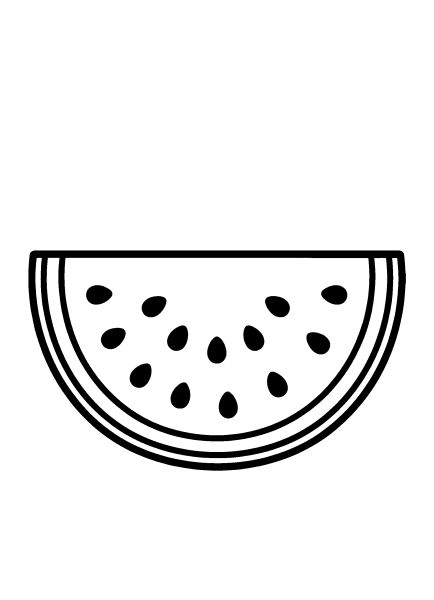
Most of the foods are shown whole, but the watermelon appears as a slice, revealing its seeds and the layers of its rind. That creates an interesting contrast with the other fruit pictures, where only the outside is visible. The apple-and-pear illustration provides another kind of comparison by placing two familiar fruits in the same drawing. A child can notice which parts look similar, how the stems and leaves differ, and why the two fruits are easy to tell apart even before coloring them.
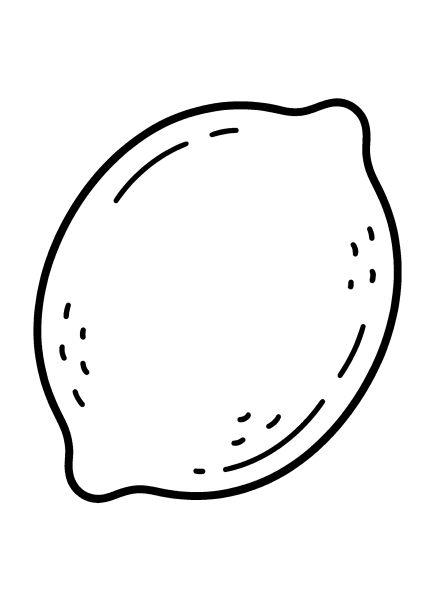
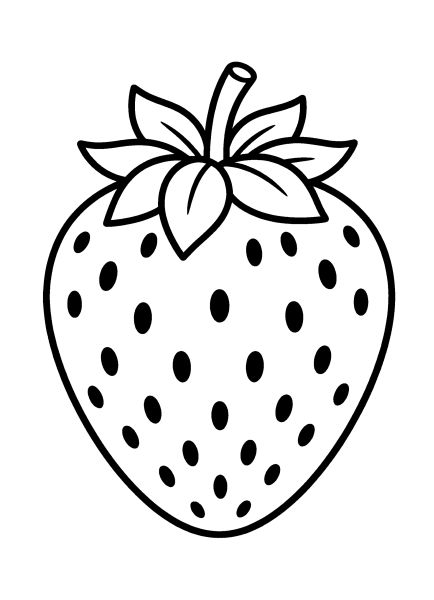
The pictures offer several levels of detail within the same beginner-friendly style. A lemon, banana, or potato has large open spaces that can be colored quickly with crayons. Grapes require coloring several individual circles, while an ear of corn contains many small kernels. A strawberry has scattered seeds, and the cabbage includes curved lines that separate its leaves. Children can begin with the broadest shapes and gradually choose pictures with more sections. The printed illustrations can also be used for simple activities such as matching pictures to real foods, naming ingredients, or identifying favorite fruits and vegetables.
All the designs are available as free printable A4 PDFs, allowing you to select individual food coloring pictures for home activities, preschool, kindergarten, or a classroom topic about fruits and vegetables. The clear black outlines work with crayons, colored pencils, and markers, while the white backgrounds leave space for children who want to add their own details. Print at 100% scale to preserve the original proportions and keep smaller features, including strawberry seeds, corn kernels, and leaf outlines, at their intended size.