Daisy Coloring Pages
🌼 Free Printable Daisy Coloring Pages
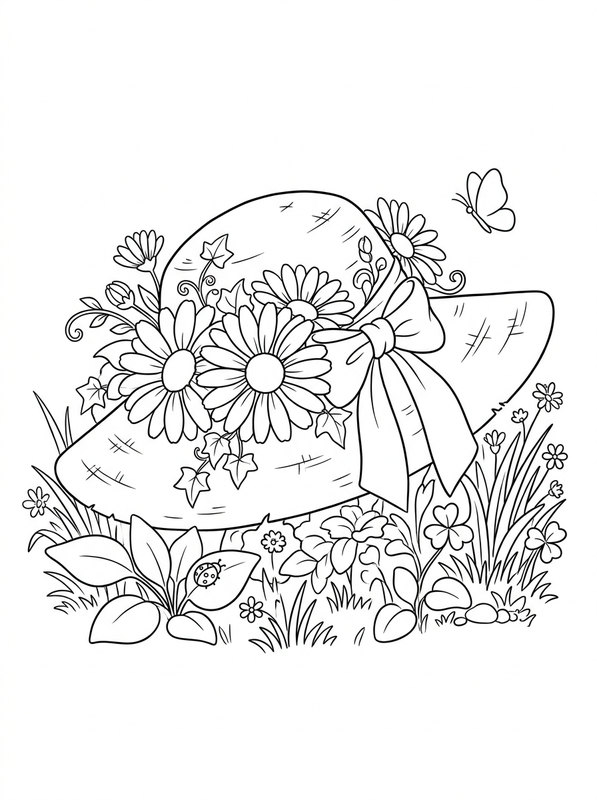
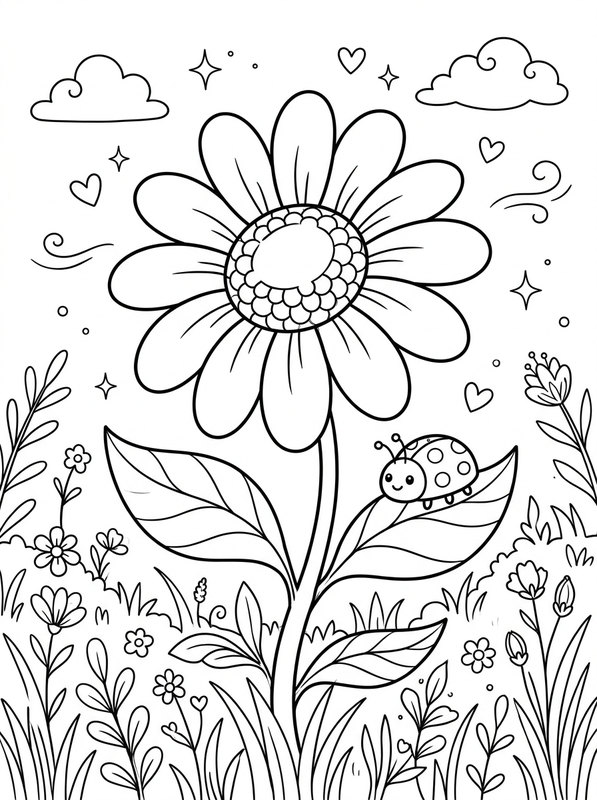
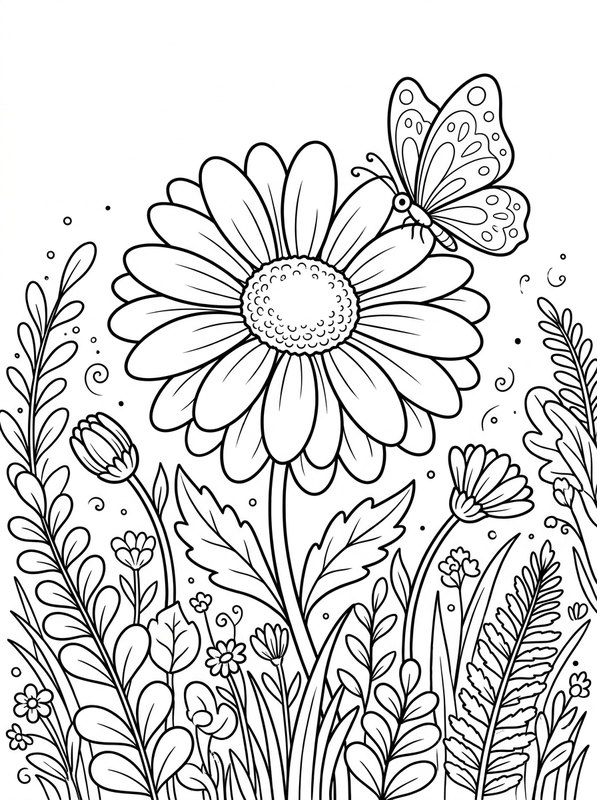
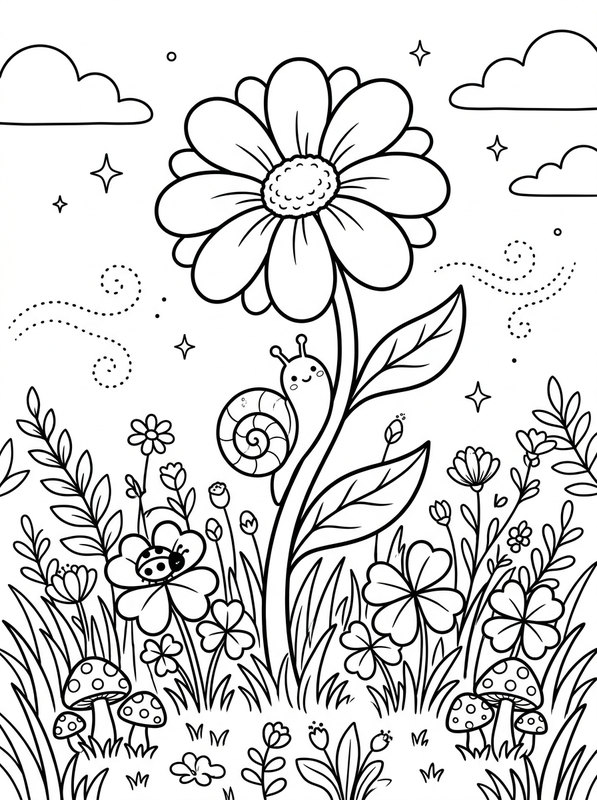
These 52 free printable daisy coloring pages feature classic white-petaled daisies, wildflower meadows, botanical drawings, and flower arrangements. Download each design as an A4 PDF to print at home. The collection includes simple daisy coloring sheets with clearly defined flowers and more detailed illustrations featuring layered petals, garden landscapes, and intricate plant structures.
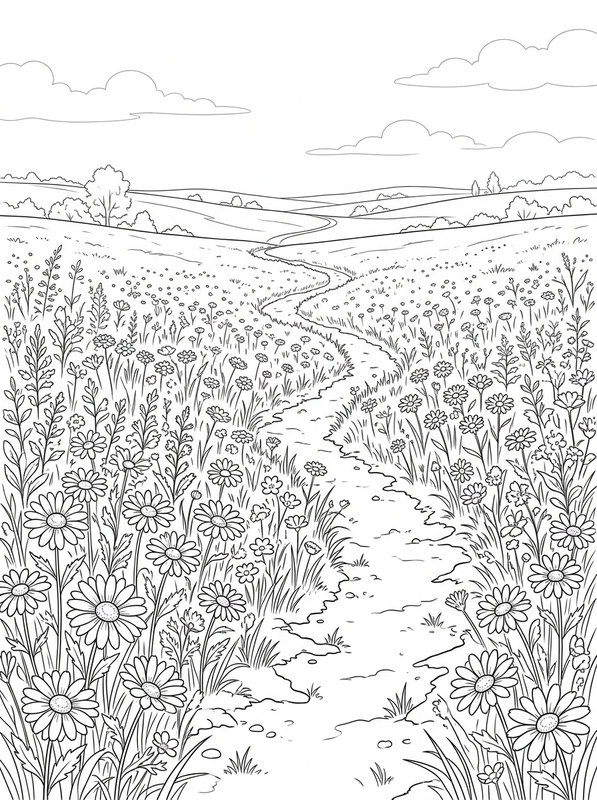
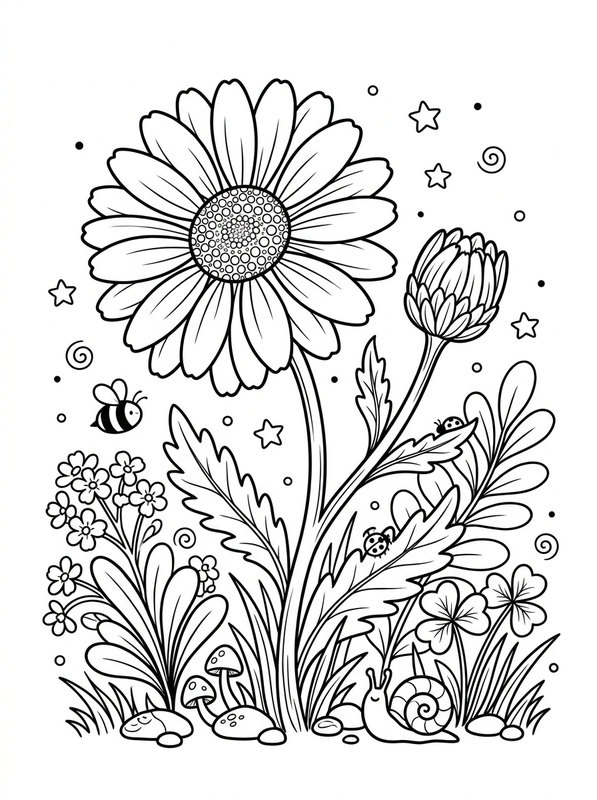
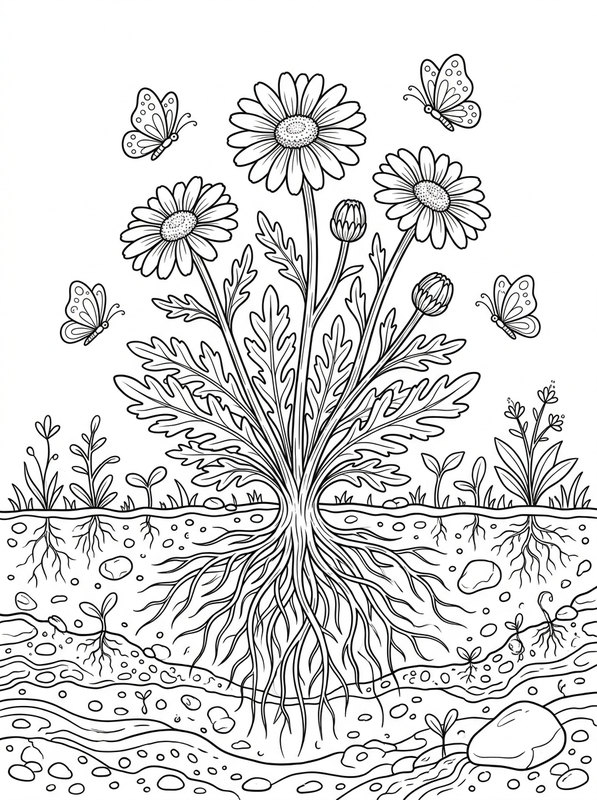
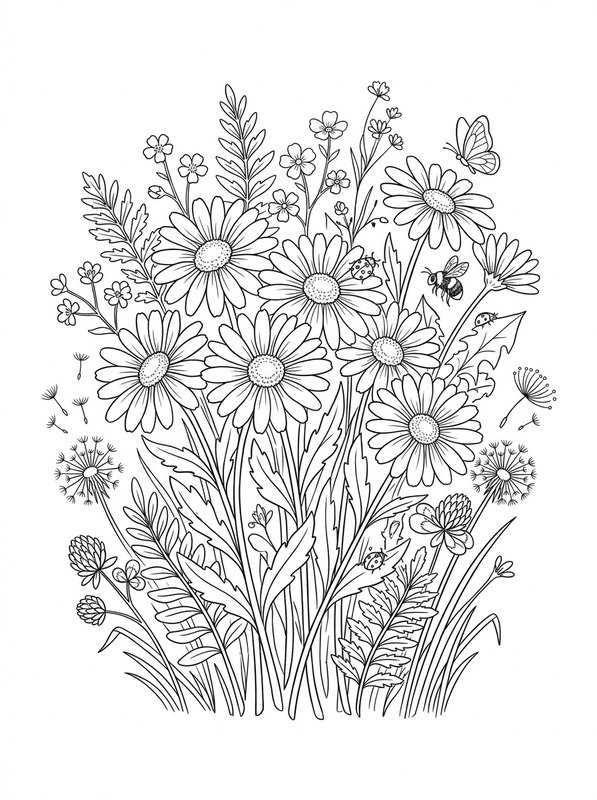
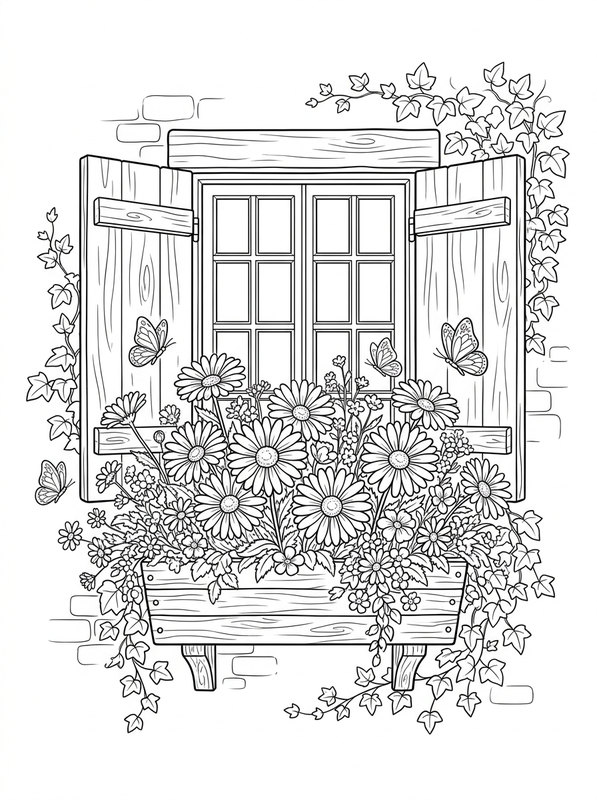
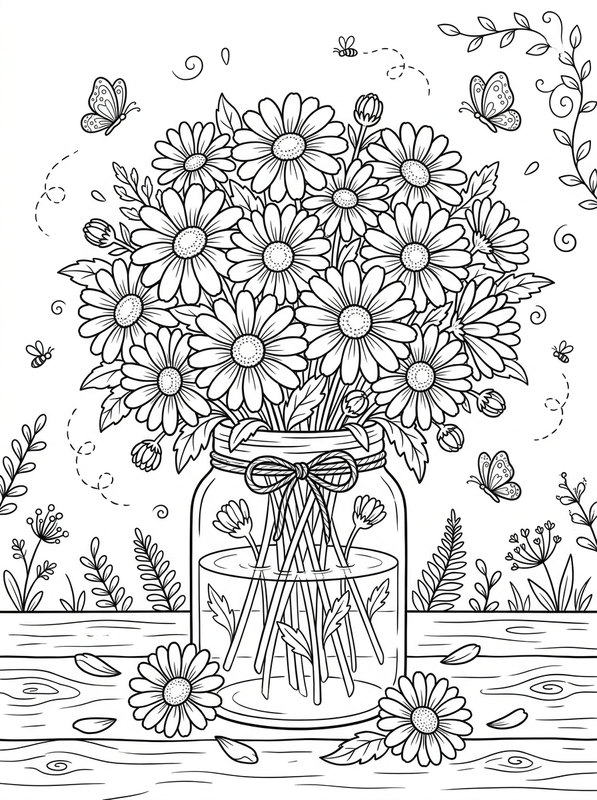
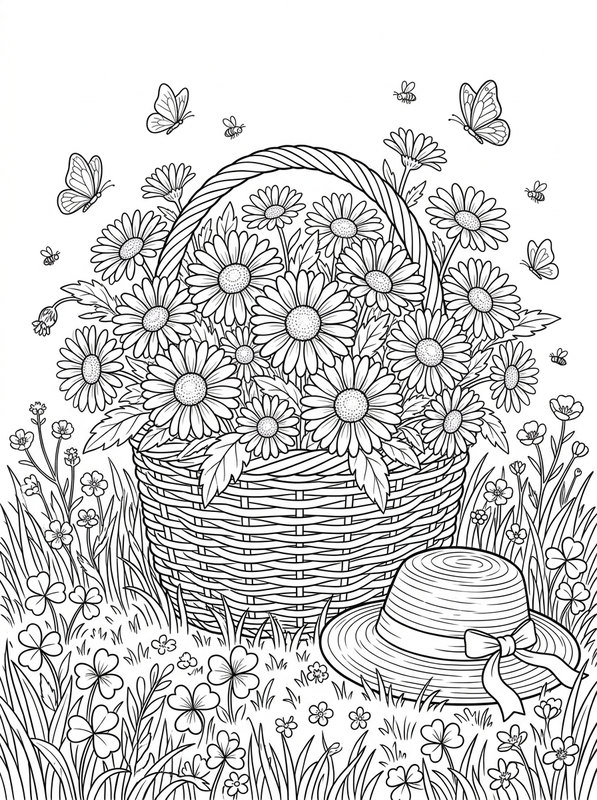
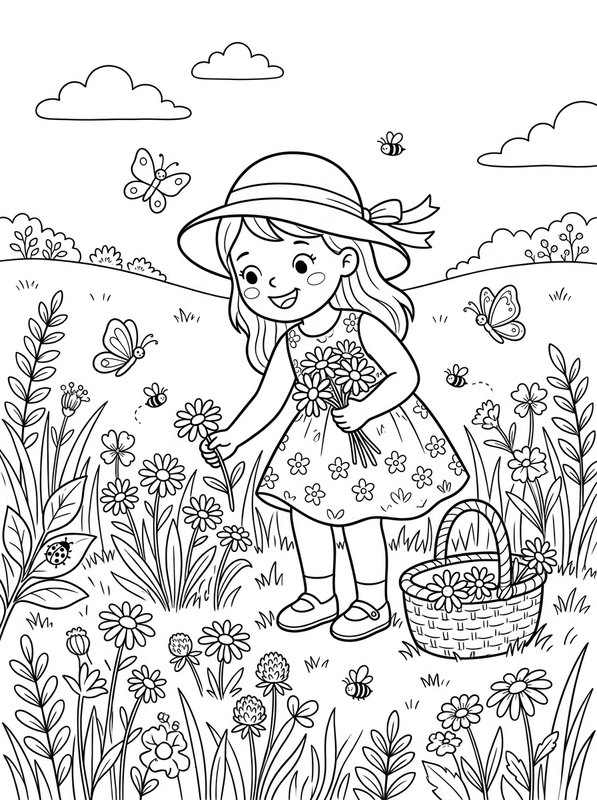
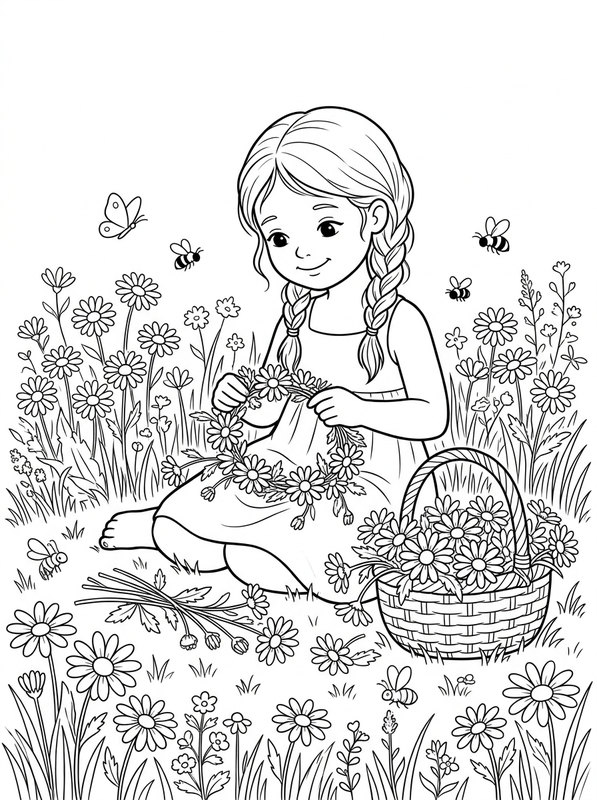
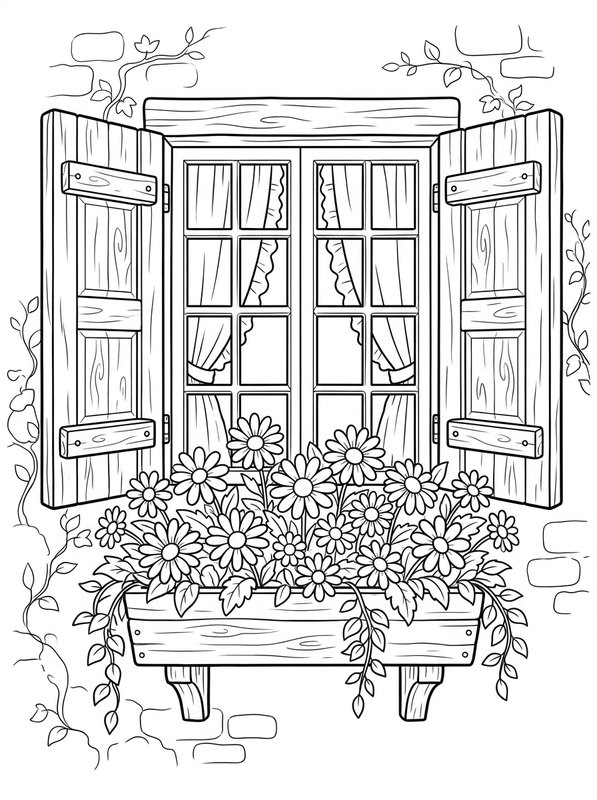
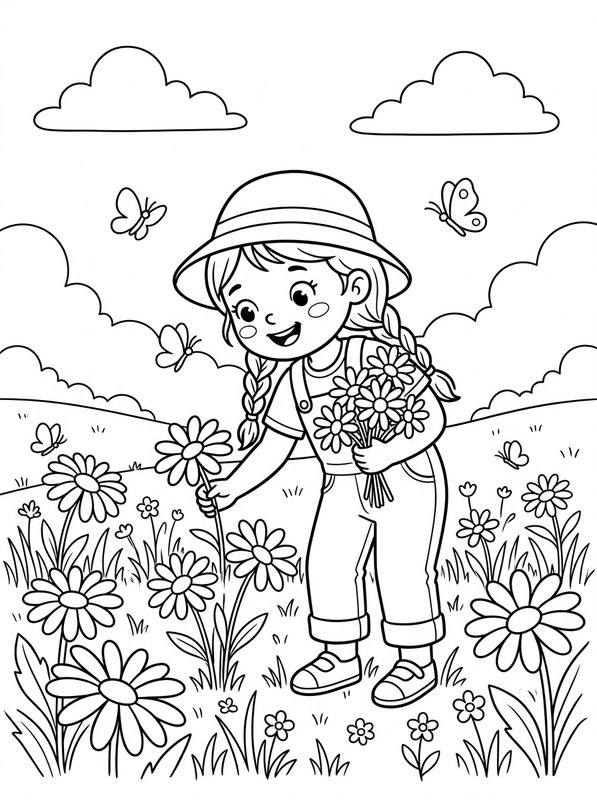
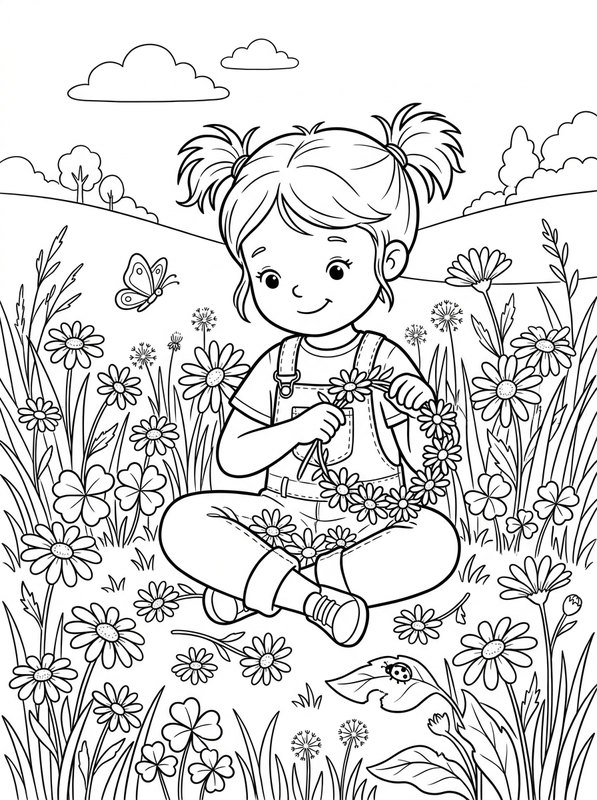
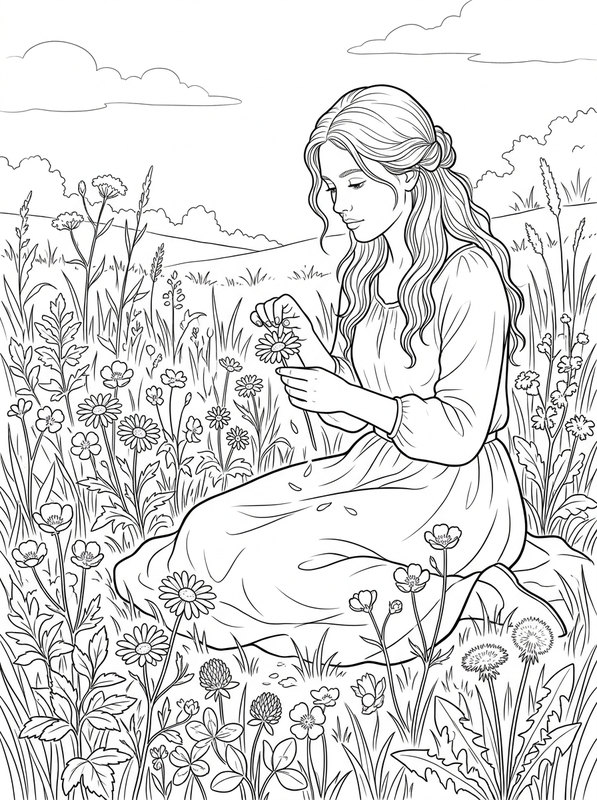
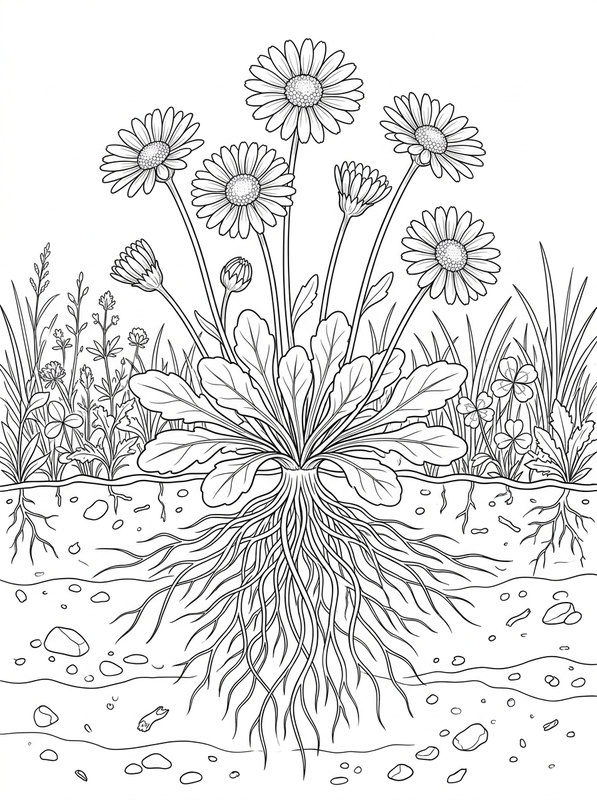
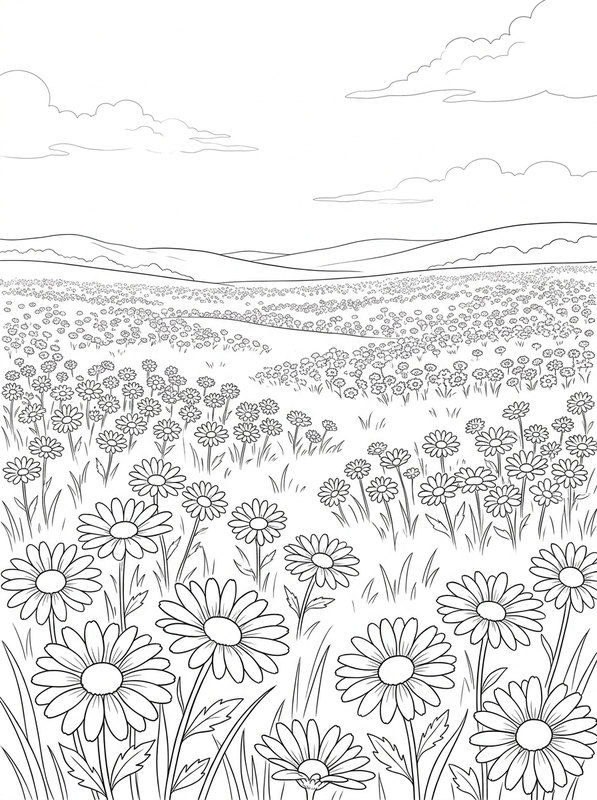
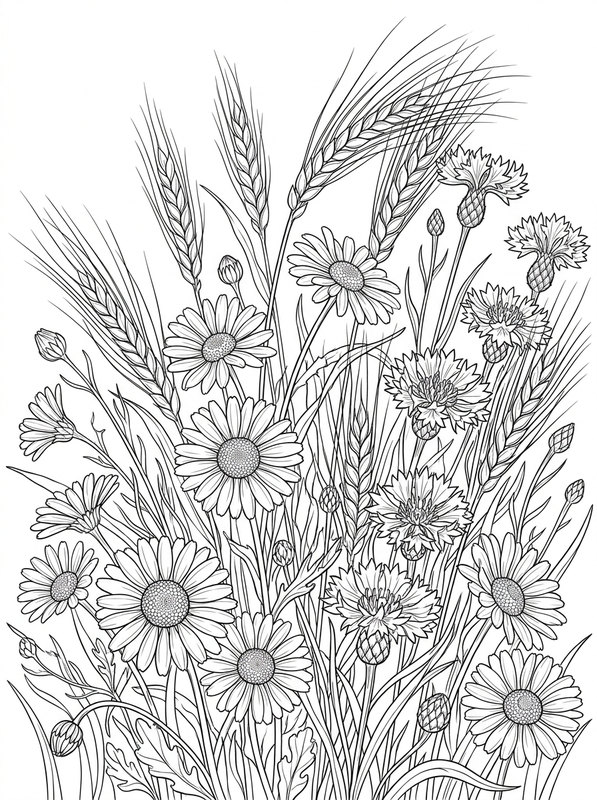
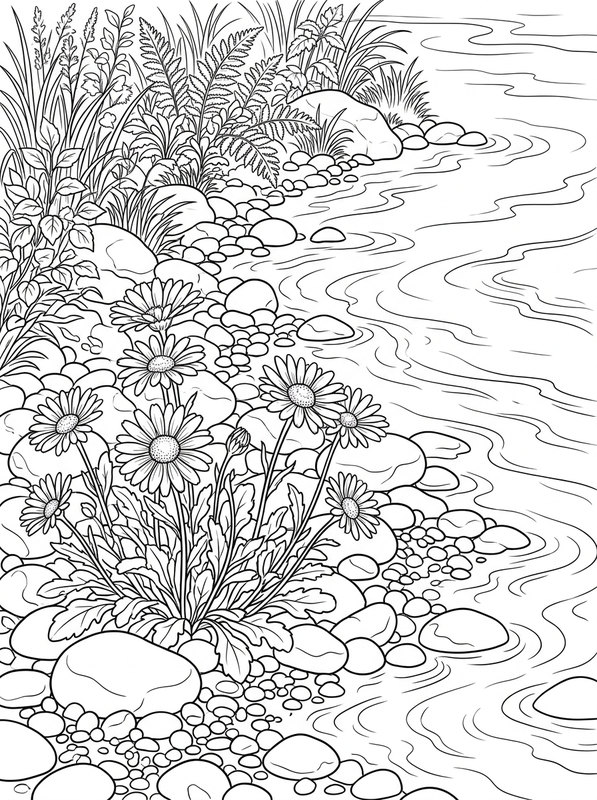
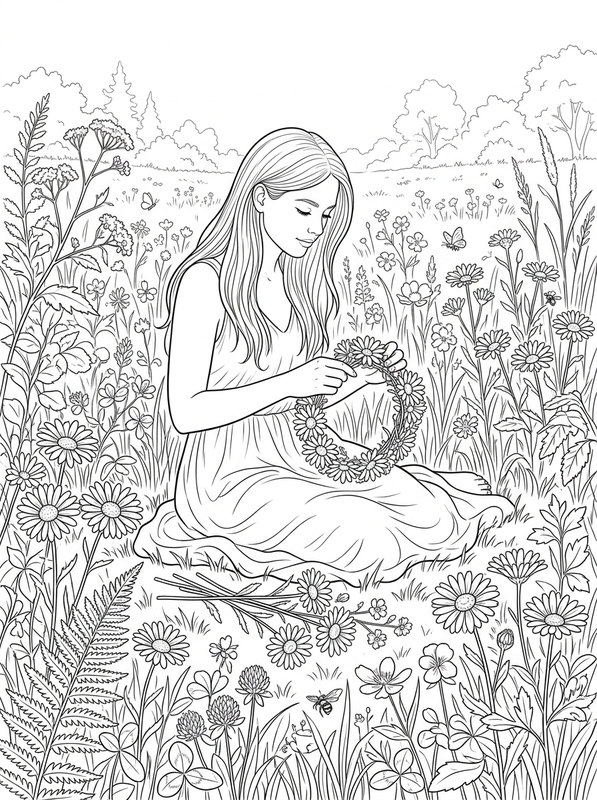
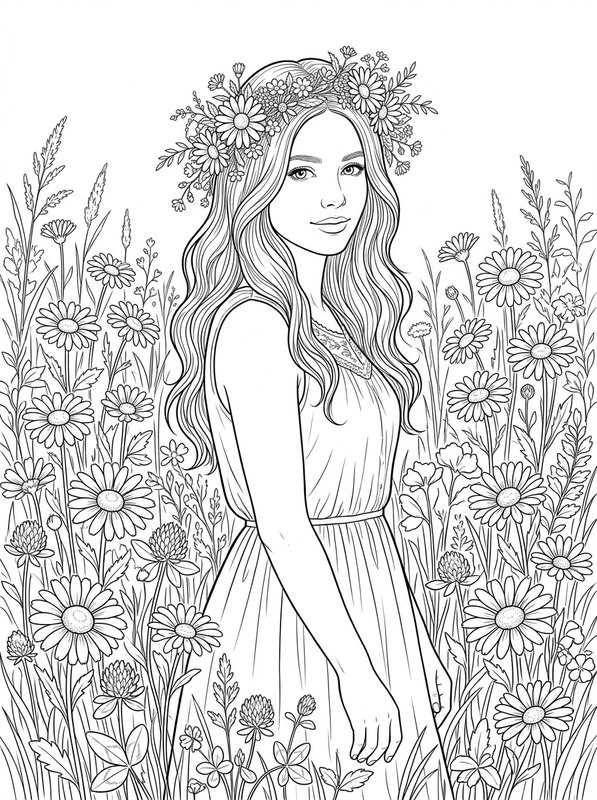
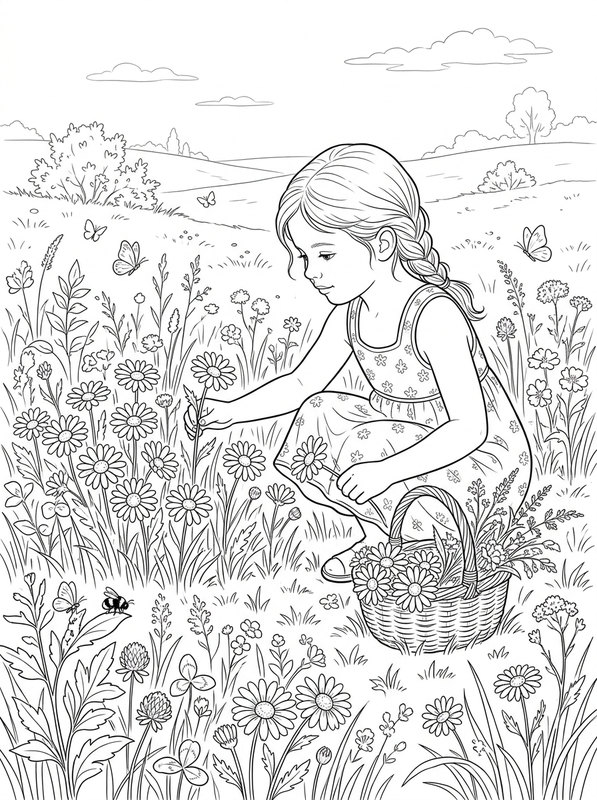
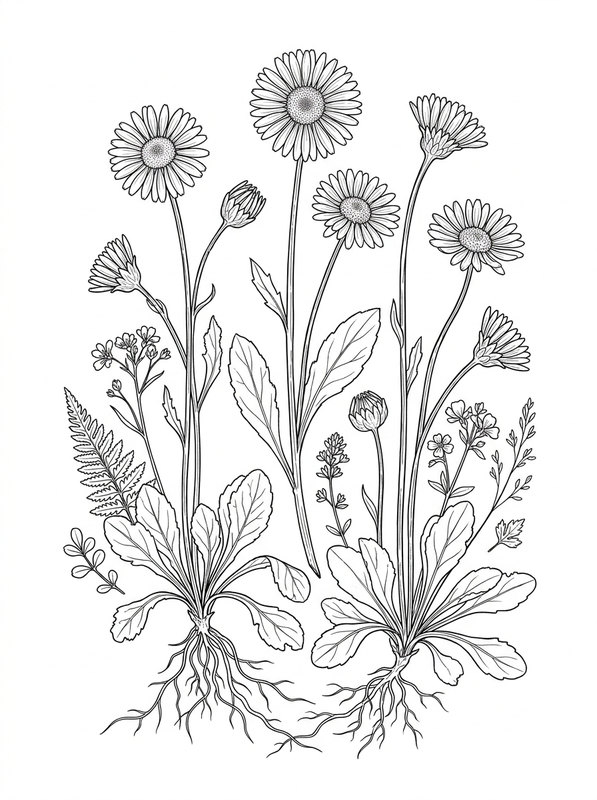
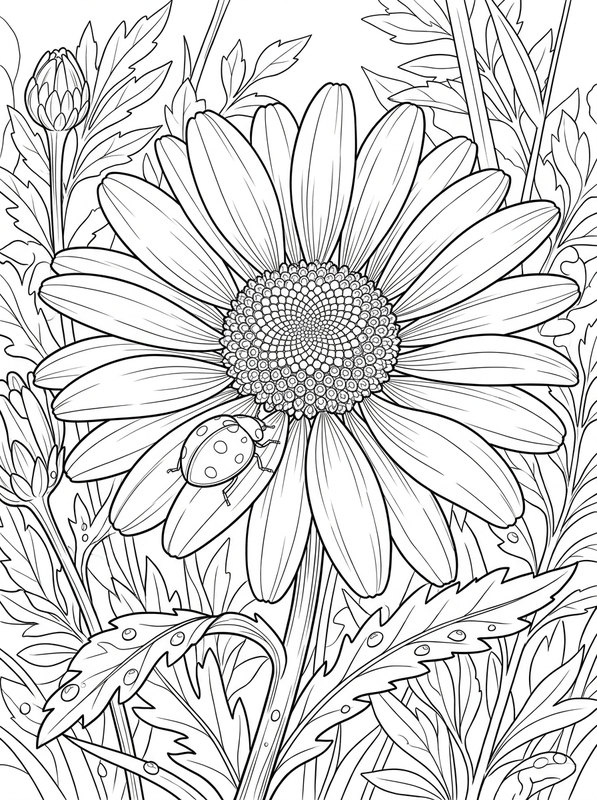
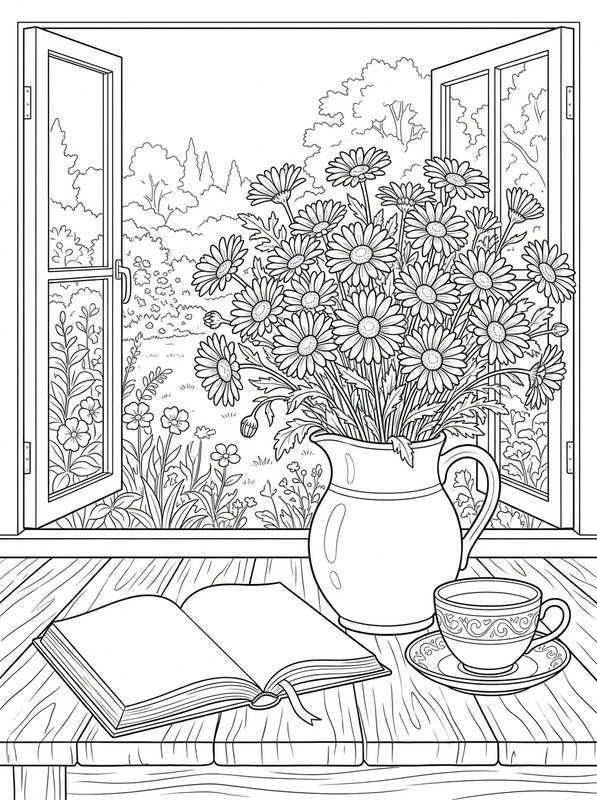
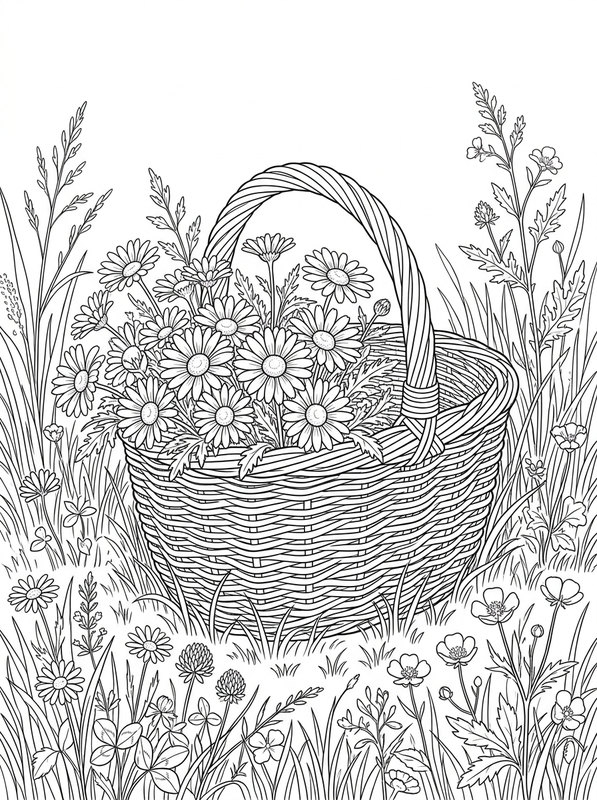
The pictures show daisies growing beside cottage windows, along winding meadow paths, and among tall grasses and wildflowers. Some focus on individual blossoms, developing buds, and visible root systems. Others feature butterflies and ladybugs, girls gathering flowers, handwoven daisy crowns, bouquets, and decorative floral wreaths. There are also pictures of daisies in baskets, window boxes, and country gardens.
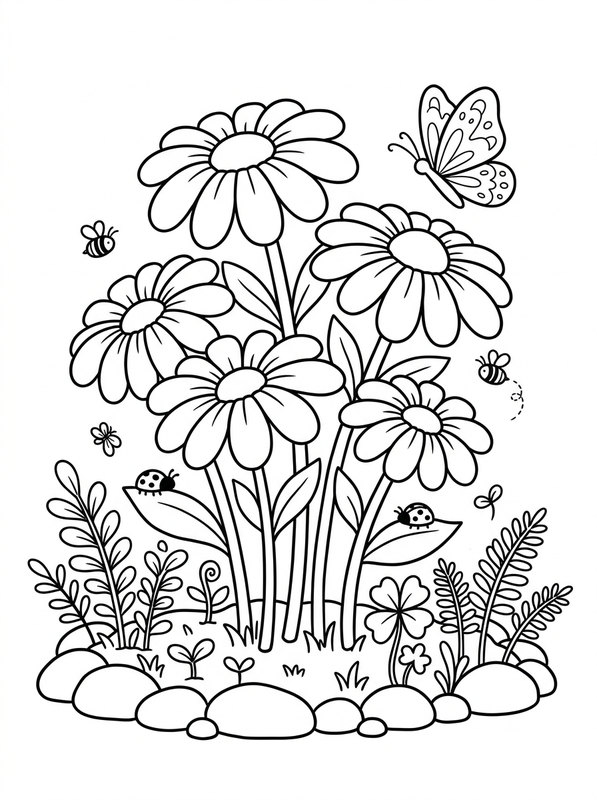
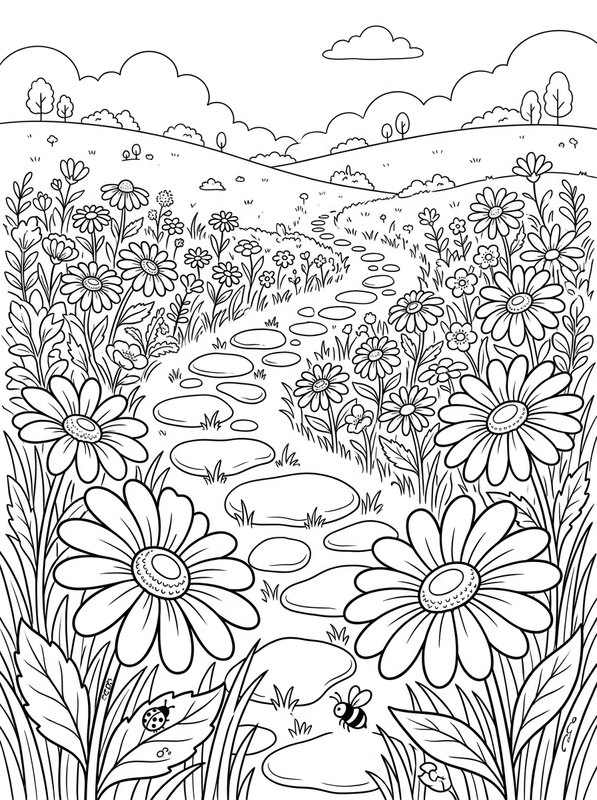
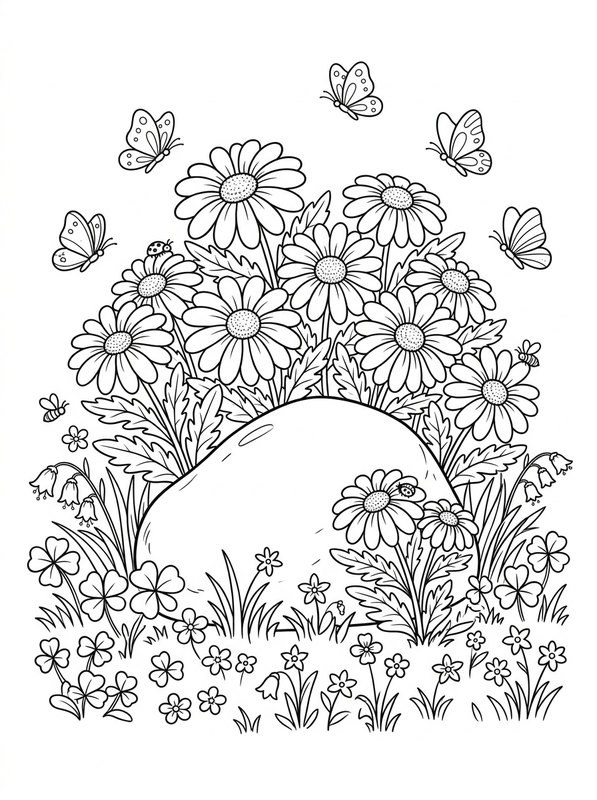
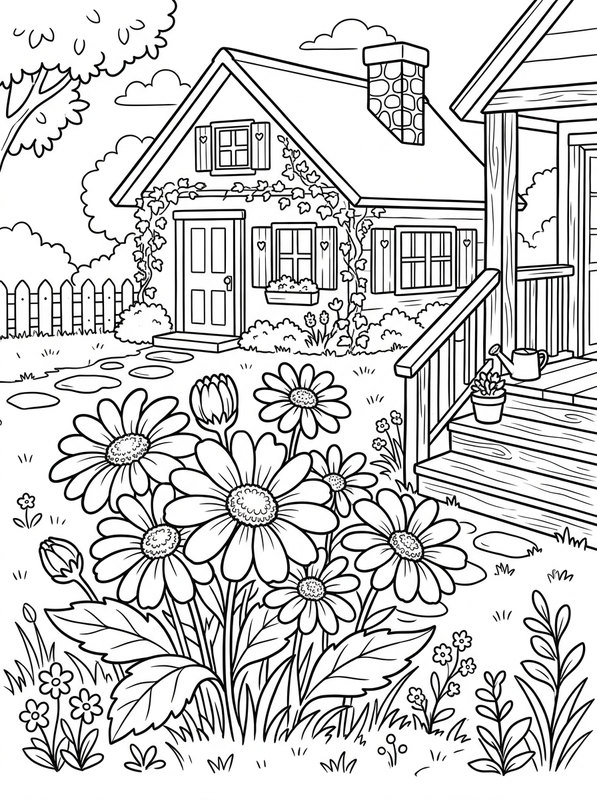
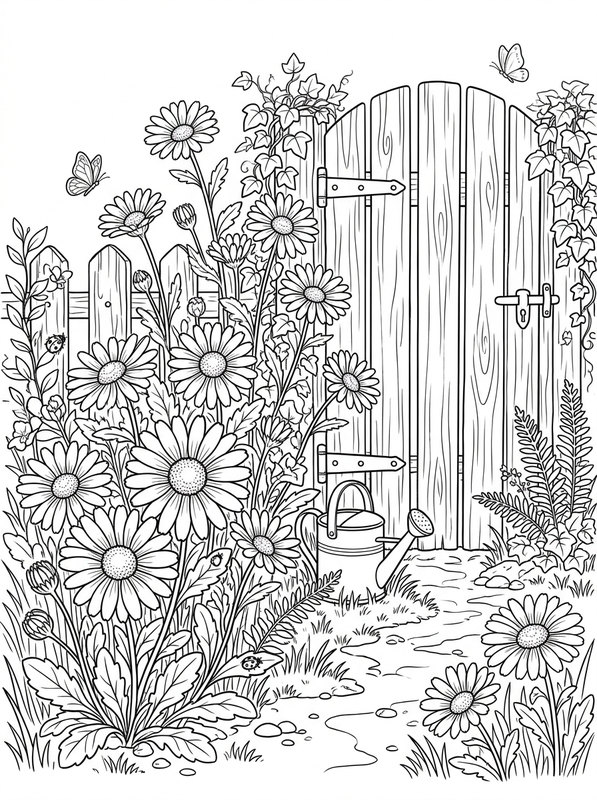
🎨 White Daisy Petals, Golden Centers, and Meadow Colors
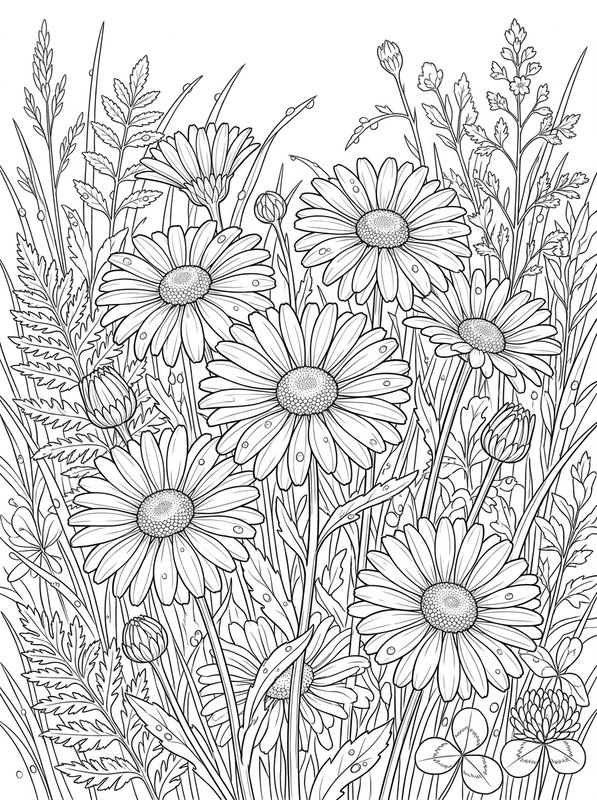
The classic daisy combines white ray petals with a yellow center, but white doesn't have to mean leaving every petal completely untouched. A little pale blue, lavender, or cool gray can help separate overlapping petals while preserving their white appearance. The central disk can combine lemon yellow with deeper golden tones, especially in illustrations where its tiny florets are individually outlined. Soft greens work well for the stems and leaves, while darker greens create contrast around the flower heads.
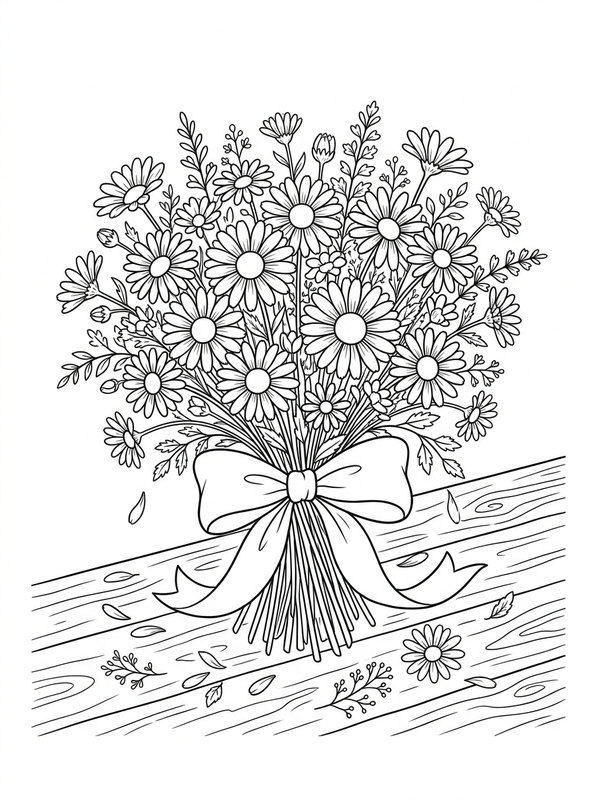
The colored examples can also inspire different interpretations of daisy pictures. A meadow scene might use several greens for the grasses and brighter colors for nearby wildflowers and butterflies. A bouquet or floral wreath offers room to experiment with pale pink, peach, or lavender petals instead of traditional white. You can follow the natural colors of the flowers or choose your own combinations; the examples are not fixed color guides. Click on any image to enlarge and explore the details up close.
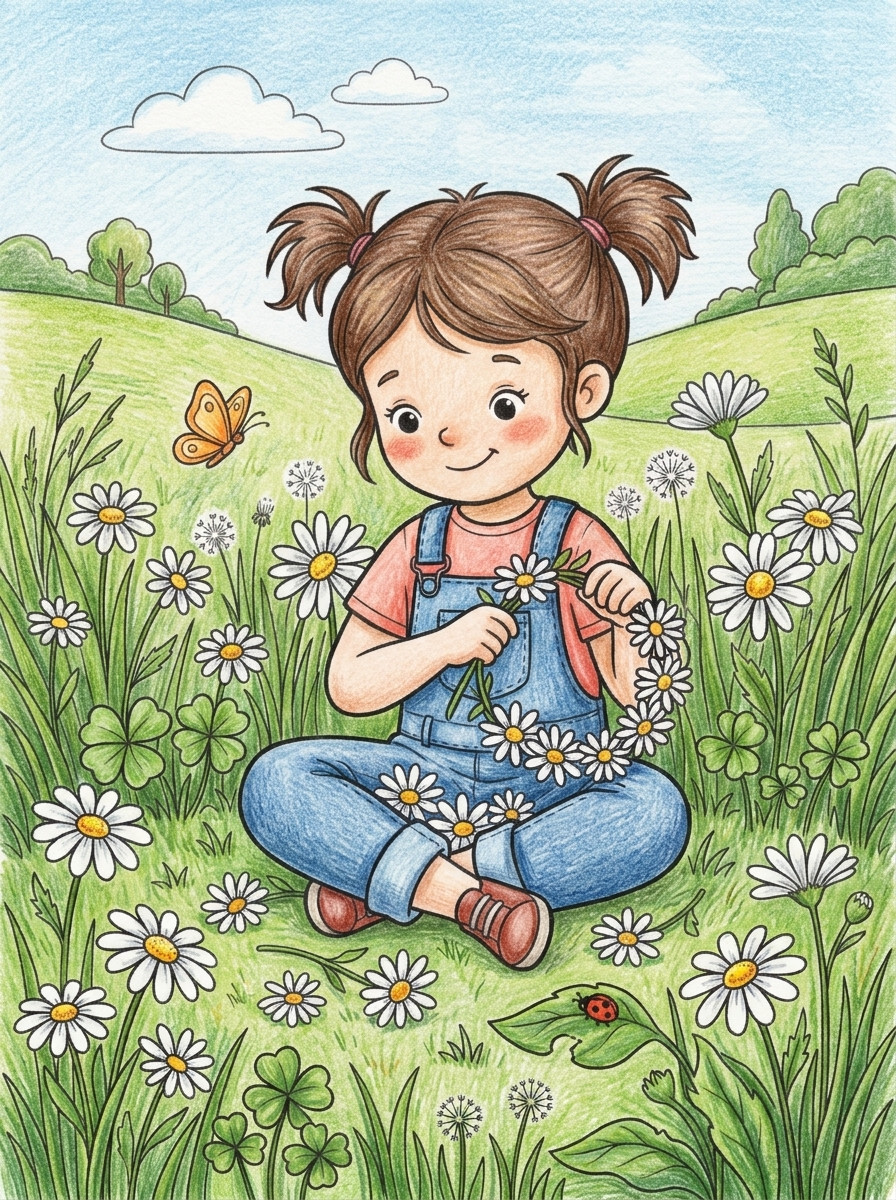
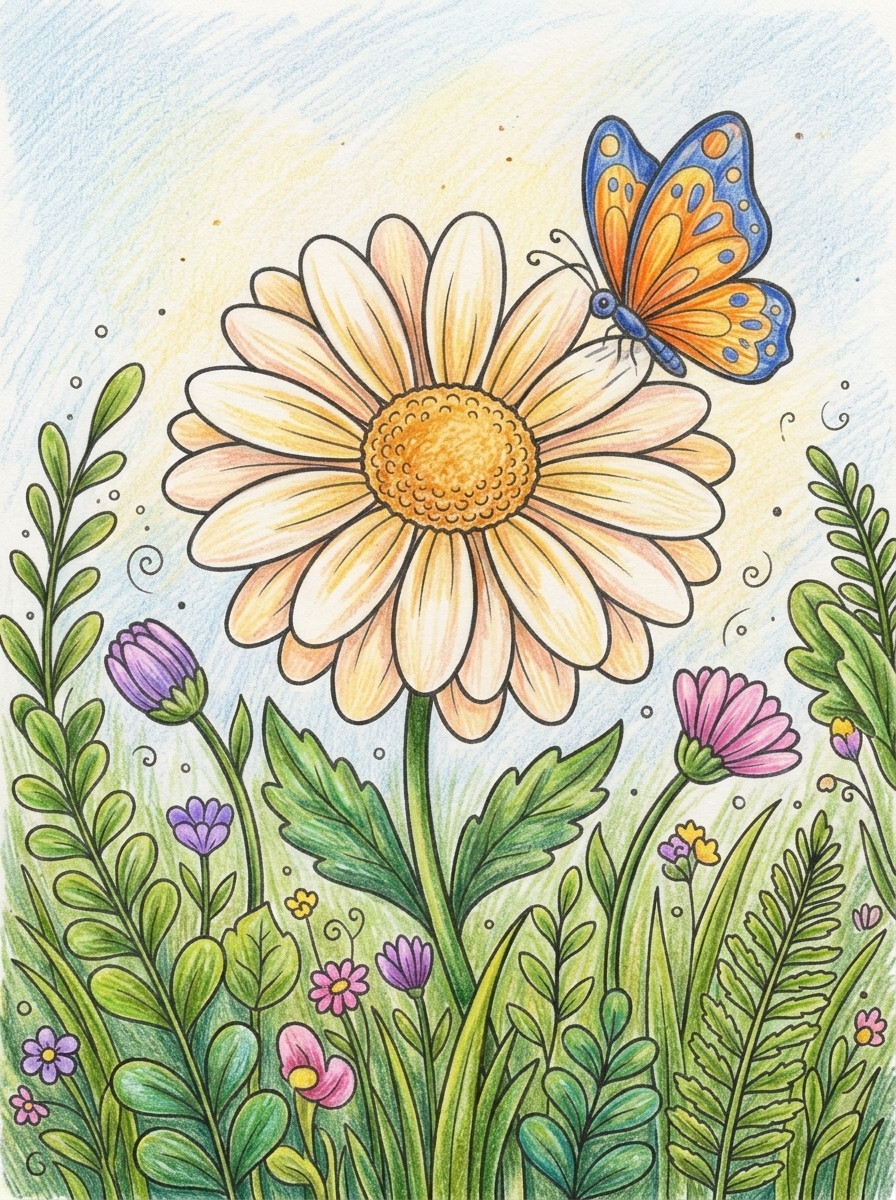
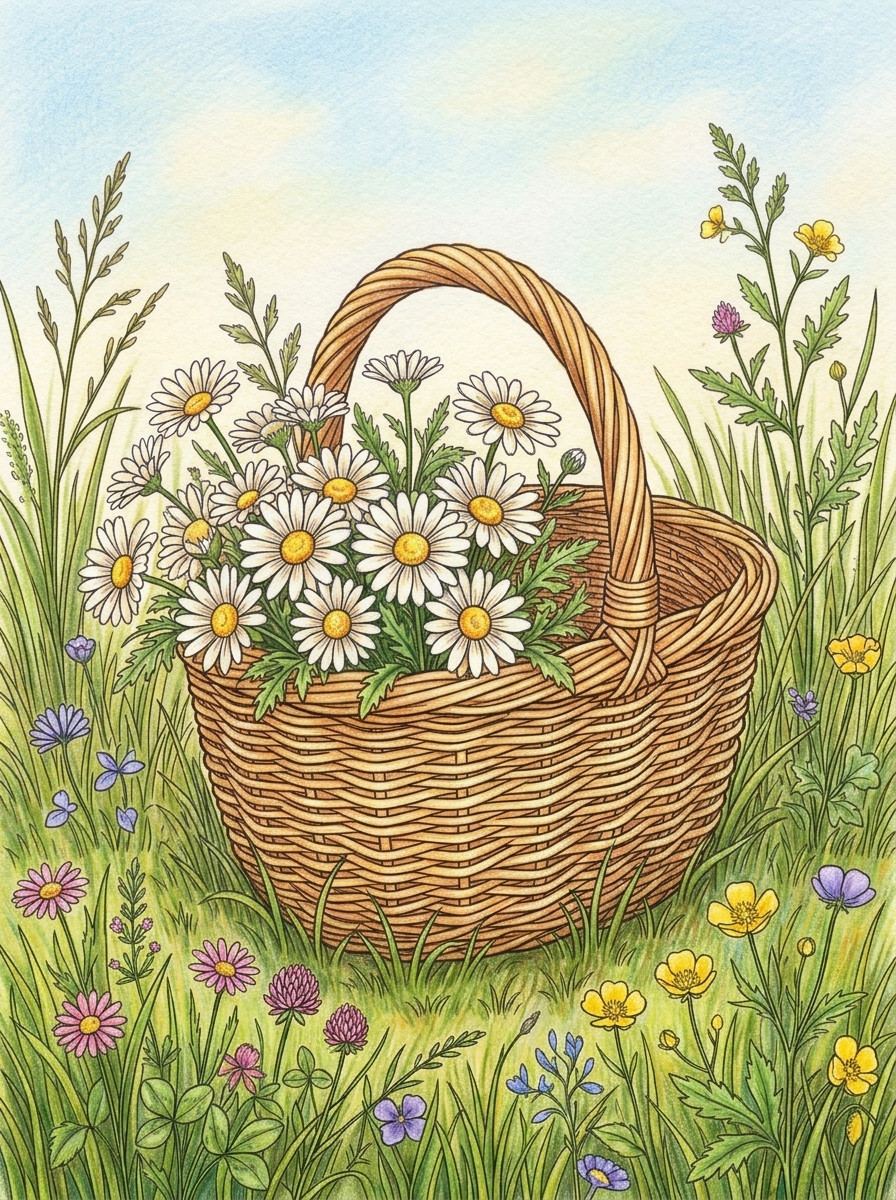
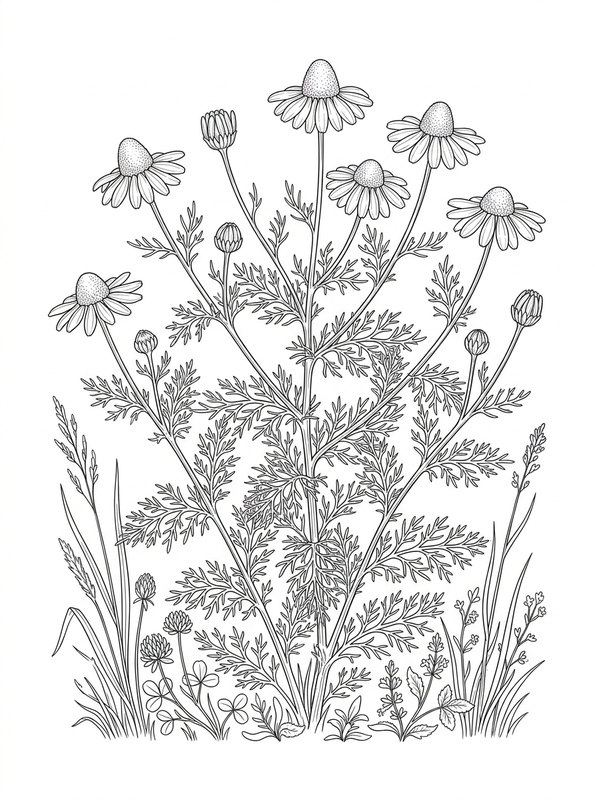
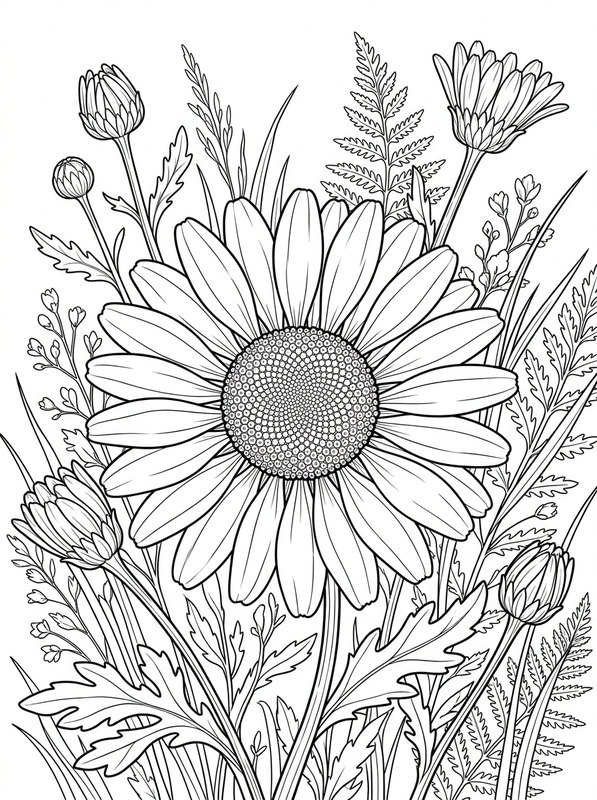
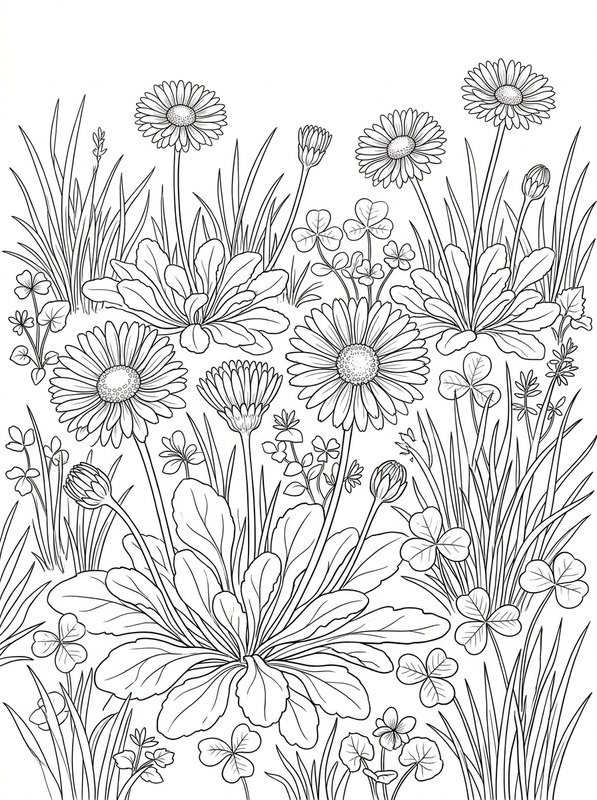
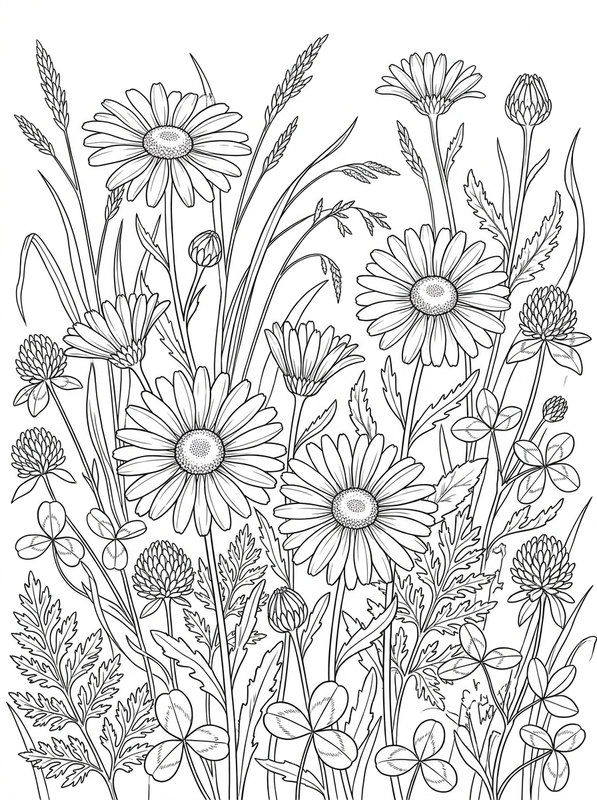

🌼 A Closer Look at Daisies, Flower Crowns, and Meadow Designs
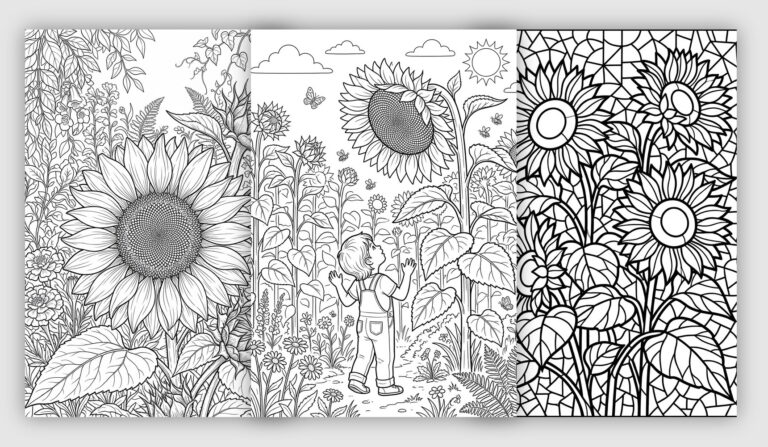
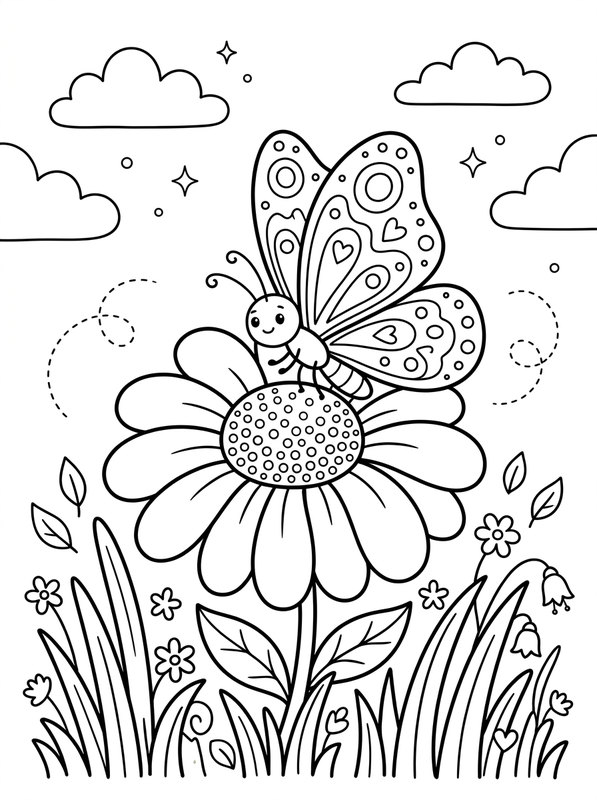
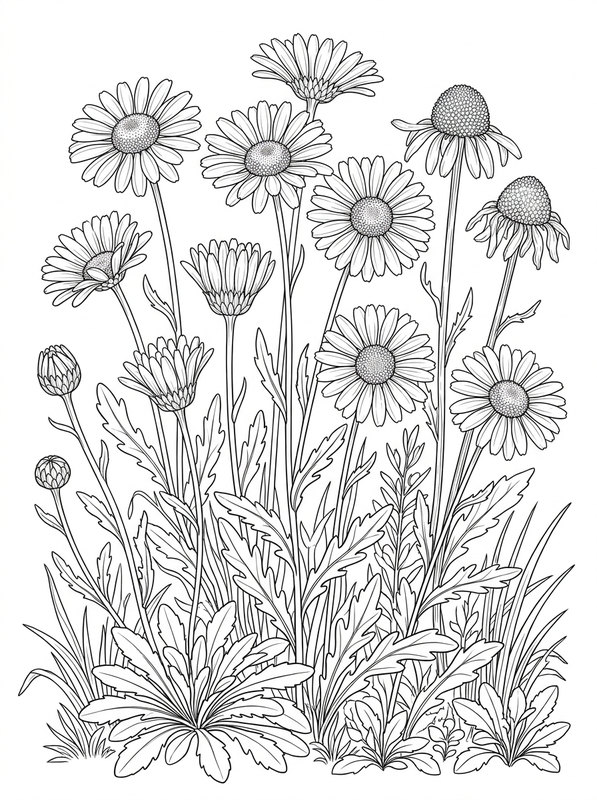
The familiar daisy flower head has a distinctive structure: a ring of ray florets surrounds a central disk made up of many tiny flowers. This is particularly noticeable in the close-up coloring pictures, where the center forms a textured pattern inside the surrounding petals. Some drawings concentrate on a single open daisy, while others show flowering stems, unopened buds, and groups of blossoms. The repeated petal shapes are easy to recognize, but their arrangement creates plenty of detail to explore.
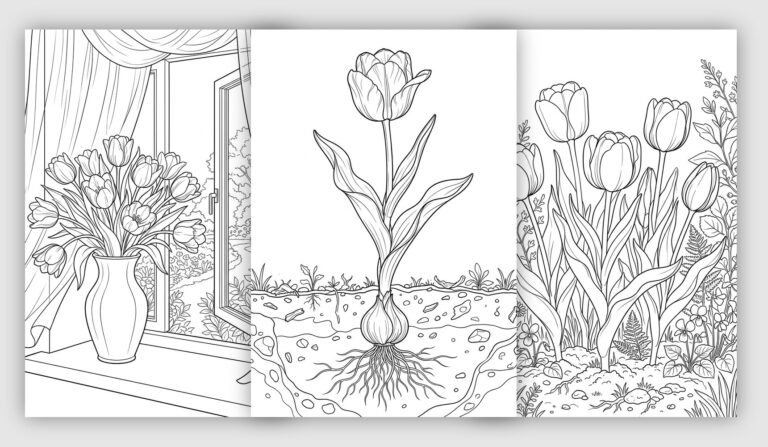
The botanical illustrations provide a different view of daisy plants. Instead of showing only the flowers, they include stems, leaves, buds, and roots beneath the soil. One drawing features chamomile-like flowers with finely divided foliage, while others show broader leaves and daisy heads at different stages of development. These variations make it possible to compare the shapes of different daisy-like plants without treating every flower as botanically identical.
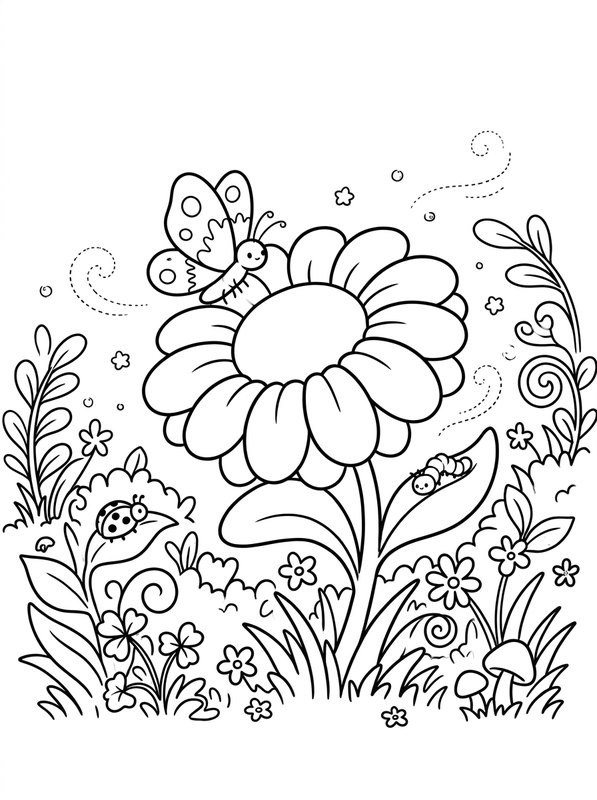
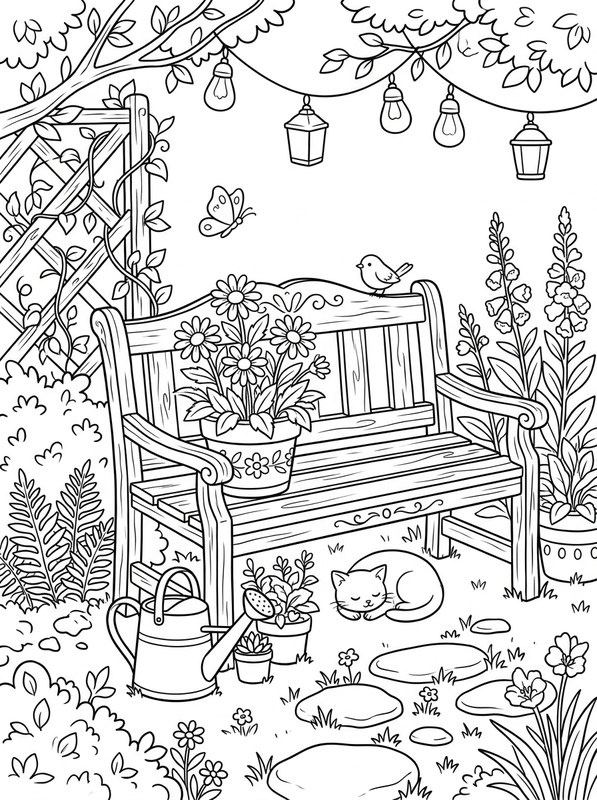
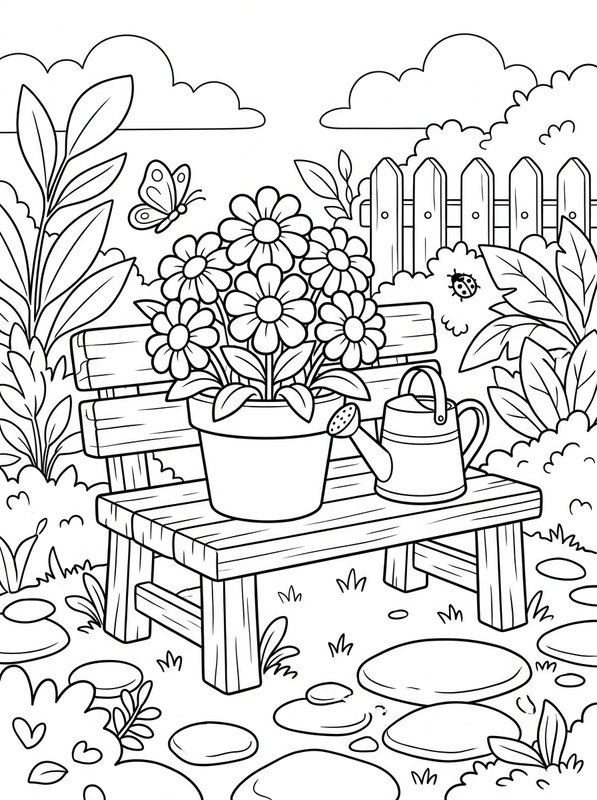
Several coloring pictures are built around the way daisies grow in meadows and gardens. Some show broad fields of flowers with winding paths, distant hills, and grasses between the blossoms. Others bring the flowers closer to country cottages, wooden gates, window boxes, and garden benches. In the meadow designs, individual daisies stand out against the surrounding vegetation, while the garden illustrations combine their rounded flower heads with the straight edges of fences, windows, and stone paths.
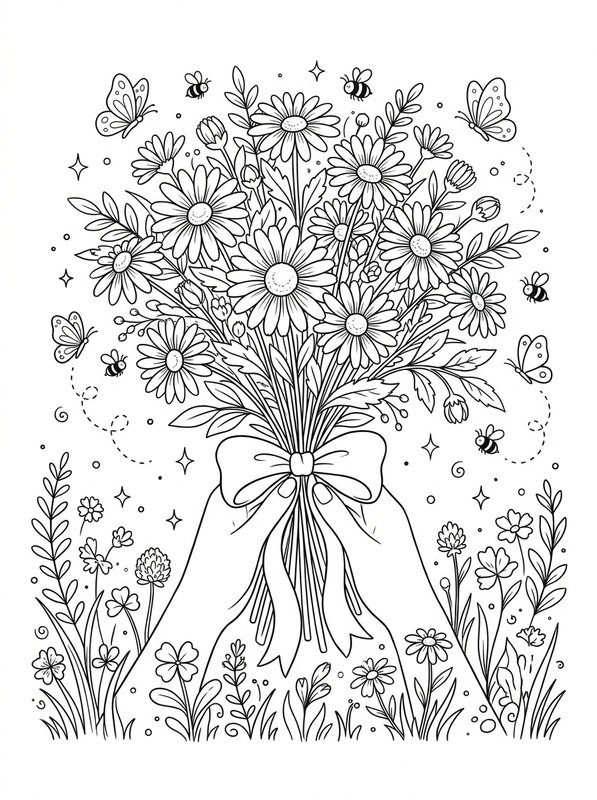
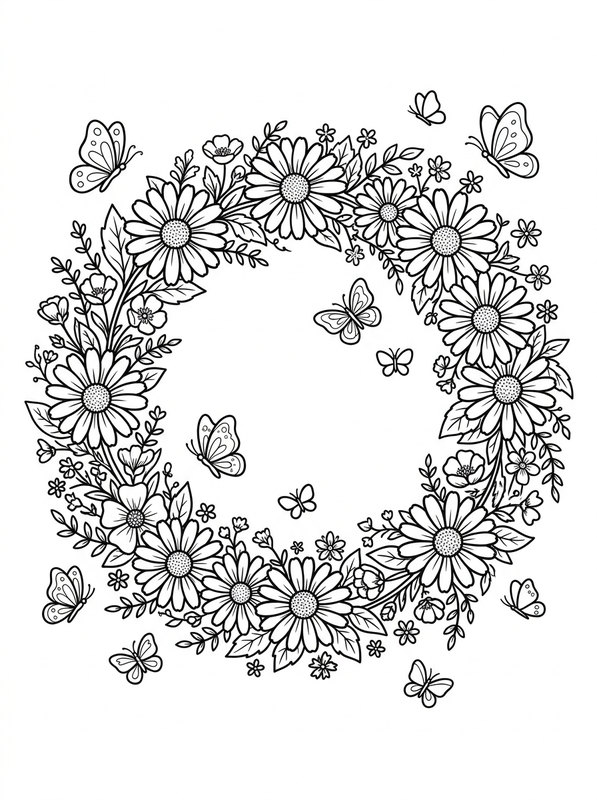
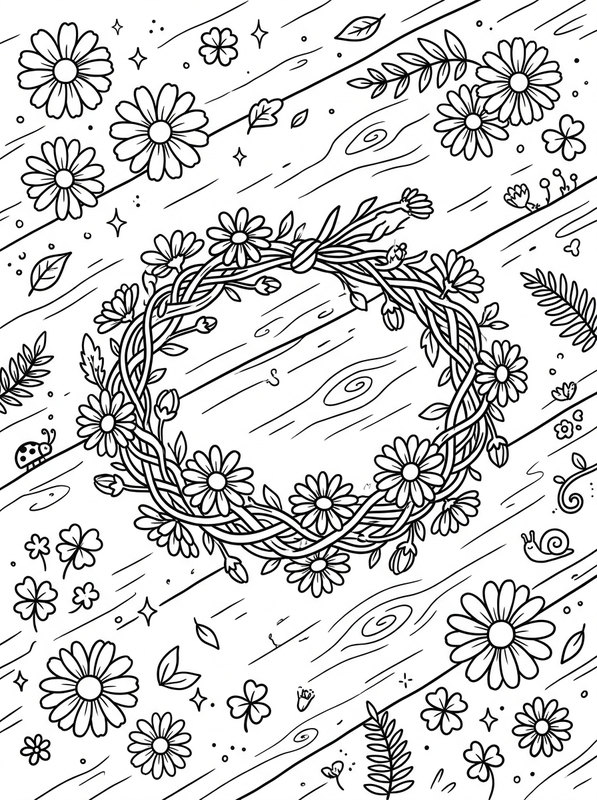
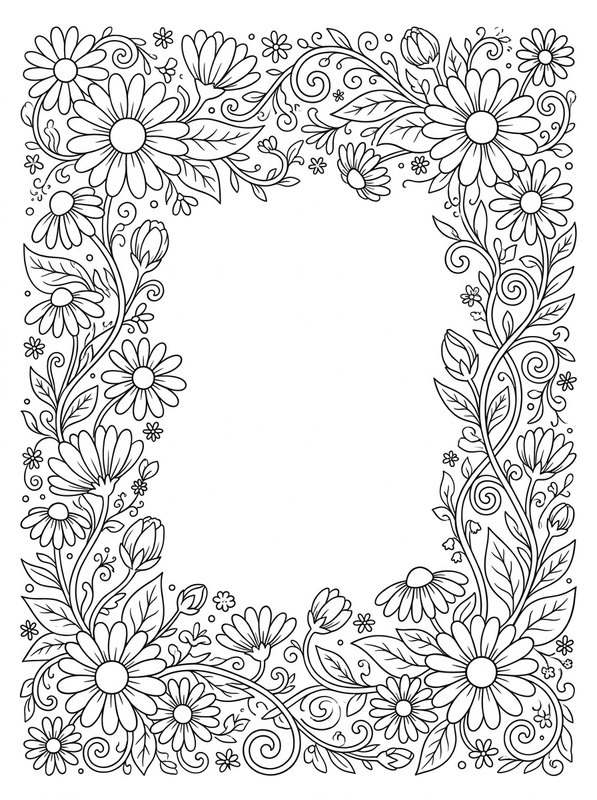
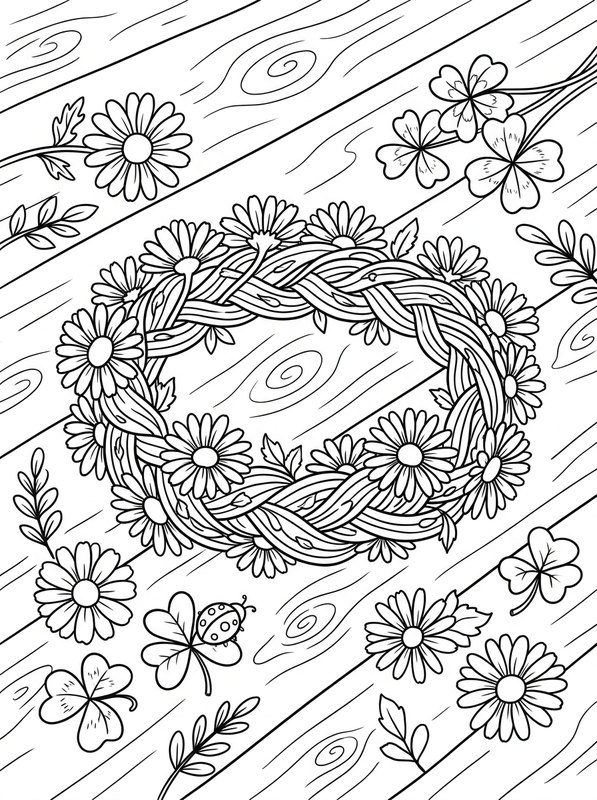
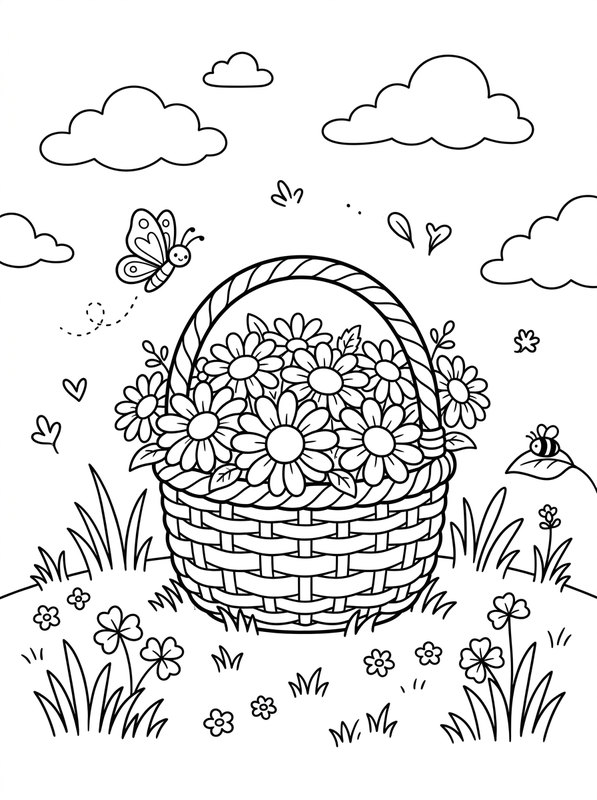
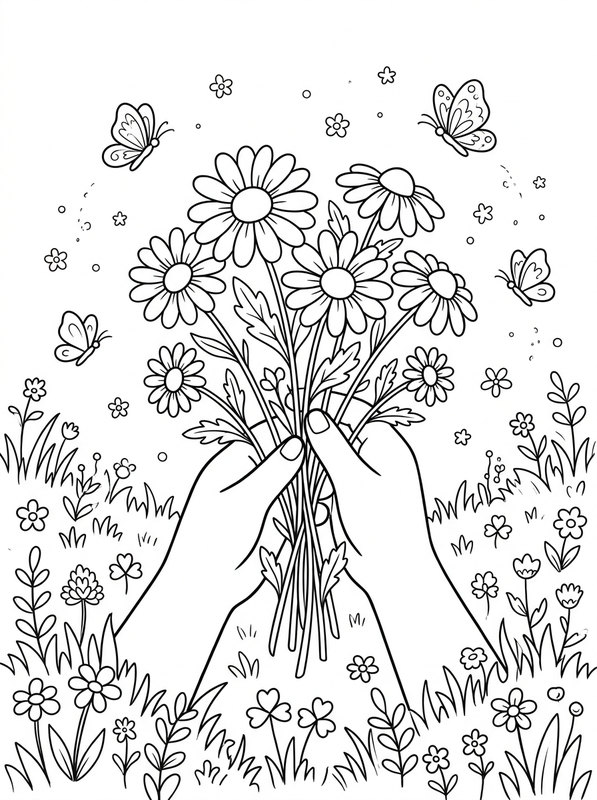
Daisies also appear in familiar handmade arrangements. The collection includes woven flower crowns, circular wreaths, ribbon-tied bouquets, and baskets of freshly gathered blossoms. Pictures of girls collecting daisies or weaving them together show how the flowers can be used beyond the garden. The decorative border leaves an open space in the center, while the wreath illustrations use repeated flower heads to form circular patterns. These designs offer a different kind of coloring from the more natural meadow scenes.
All 52 daisy coloring pictures are available as printable A4 PDFs. Print at 100% scale to preserve the original proportions of the petals, flower centers, and botanical details. Colored pencils are useful for the small spaces between overlapping petals and leaves, while crayons suit the larger flowers and simpler garden illustrations. If you prefer markers, heavier paper can help prevent ink from bleeding through.