Flower Coloring Pages for Adults
🌸 Free Printable Flower Coloring Pages for Adults
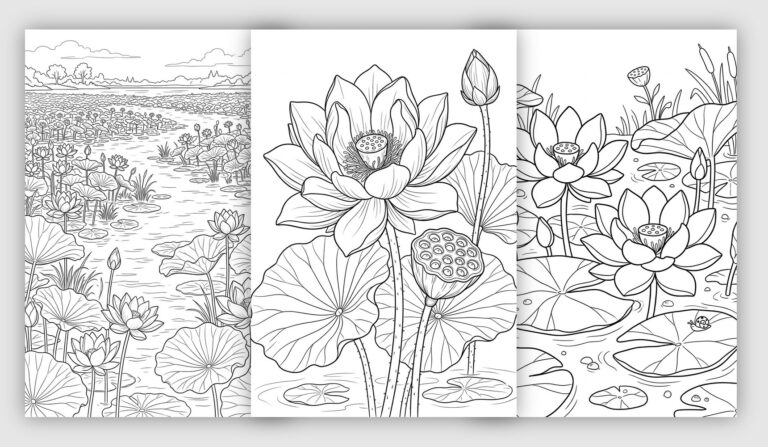
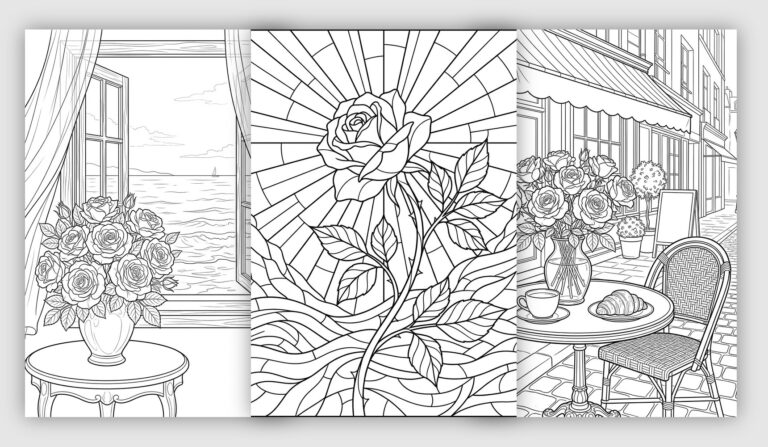
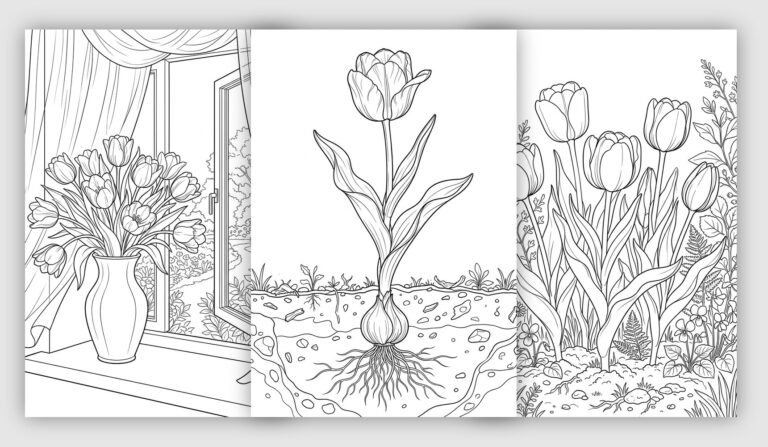
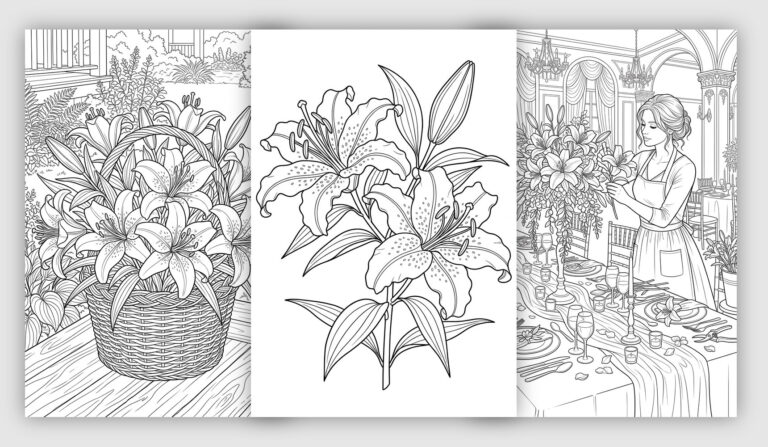
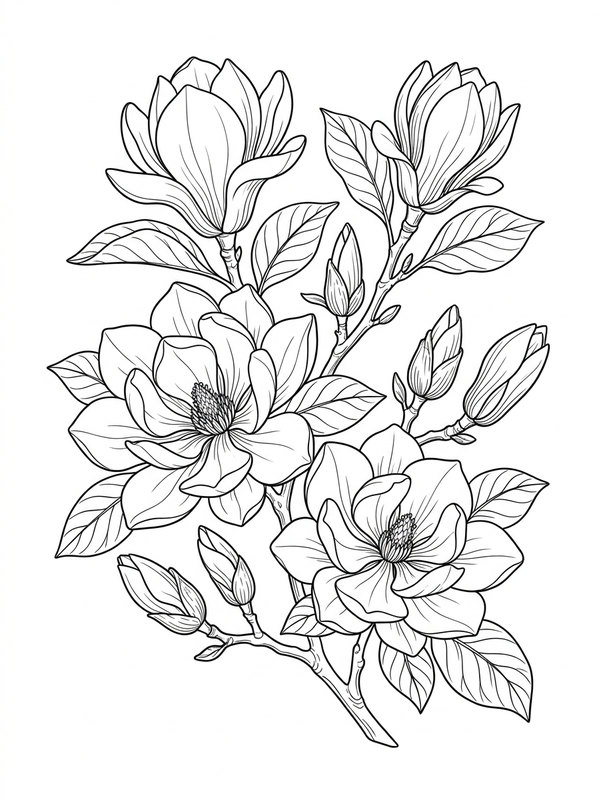
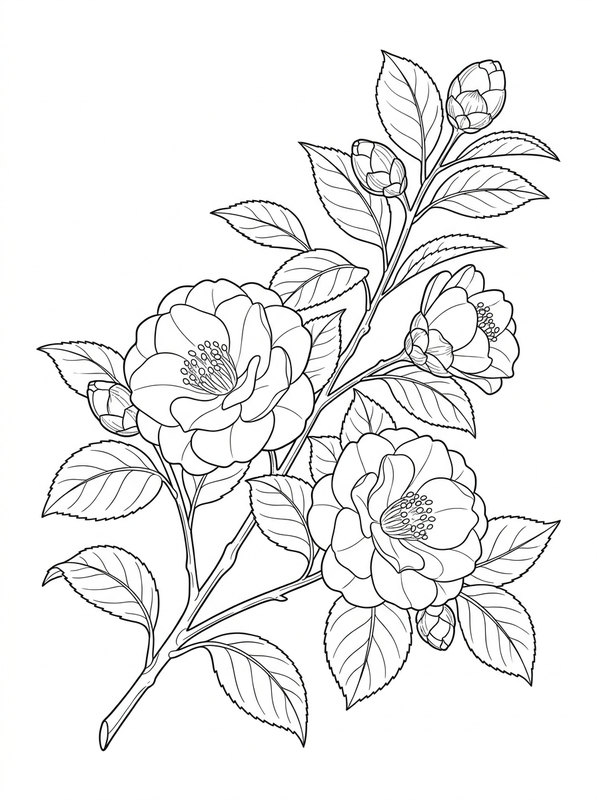
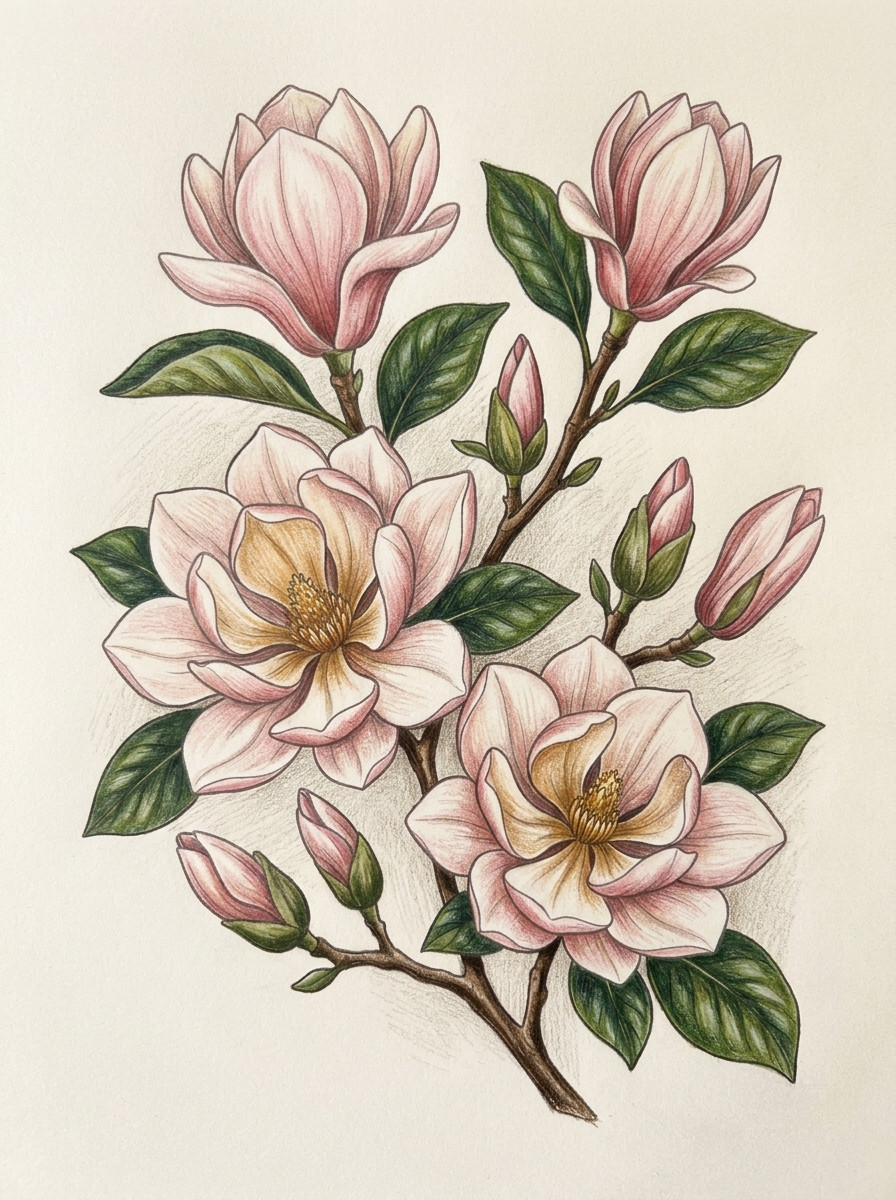
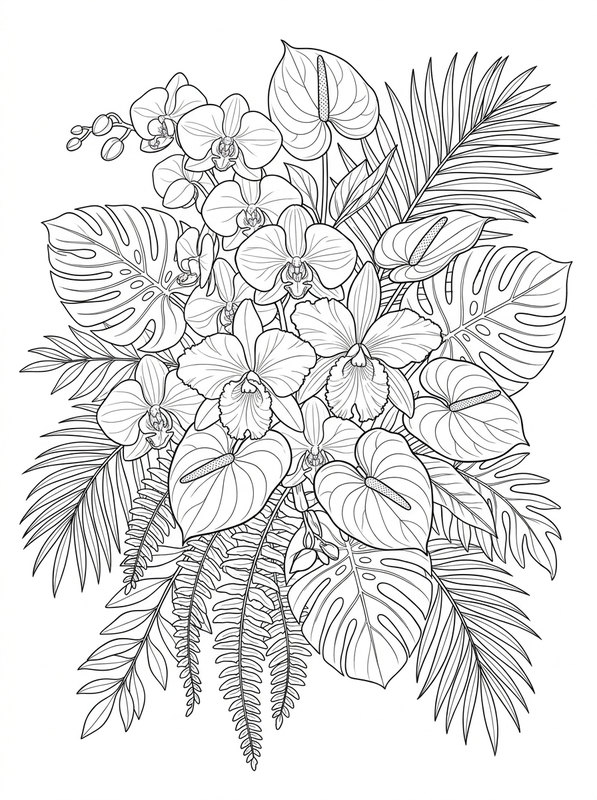
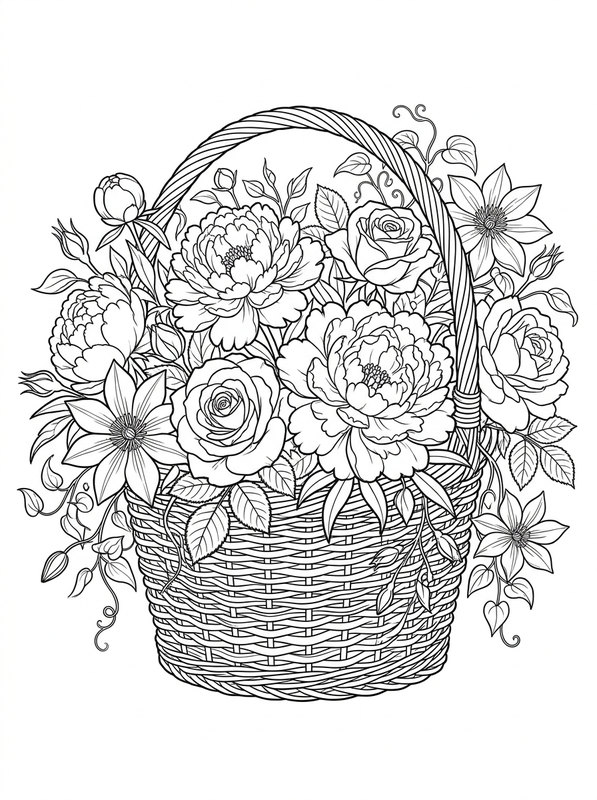
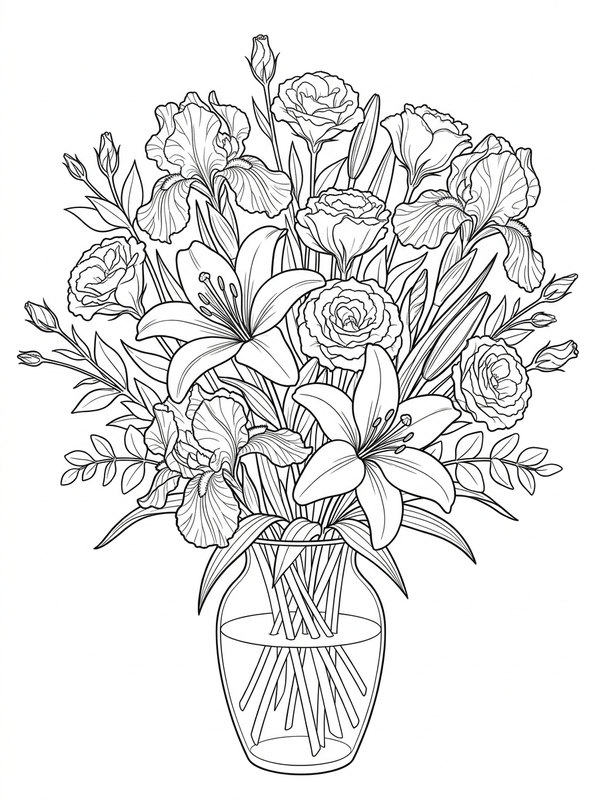
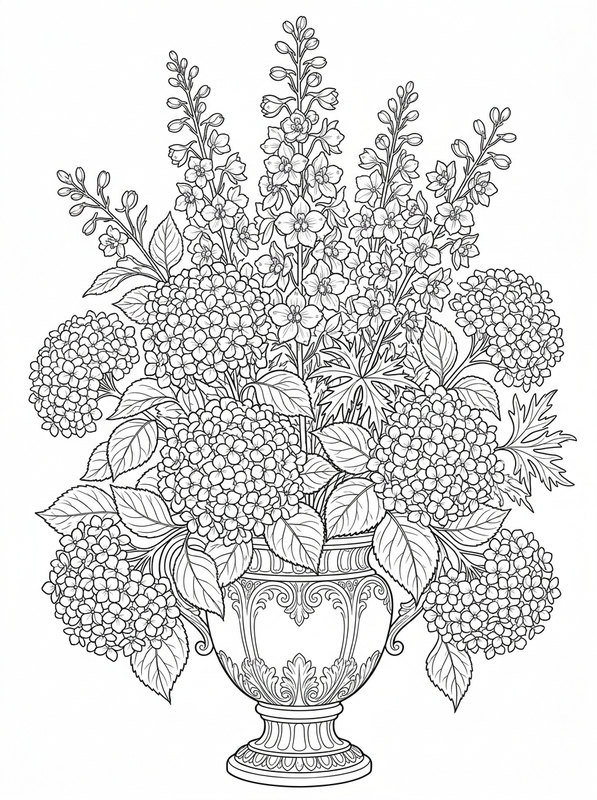
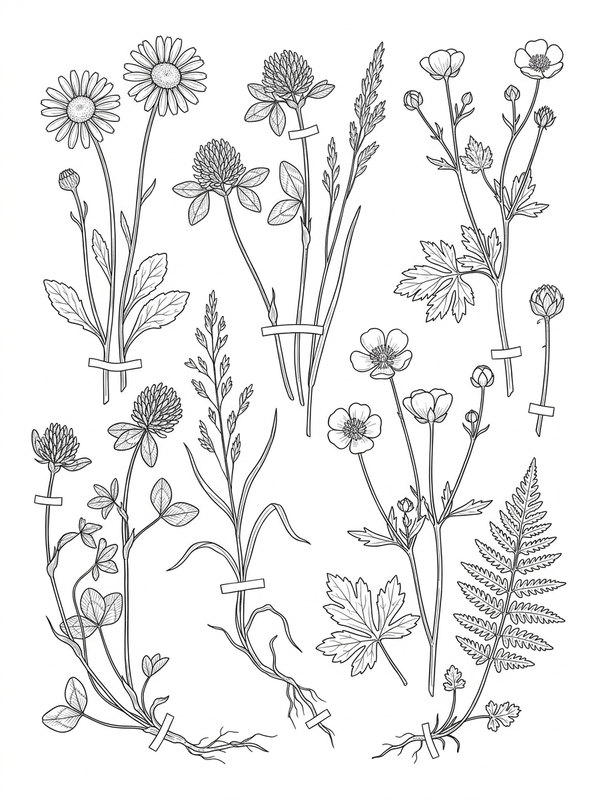
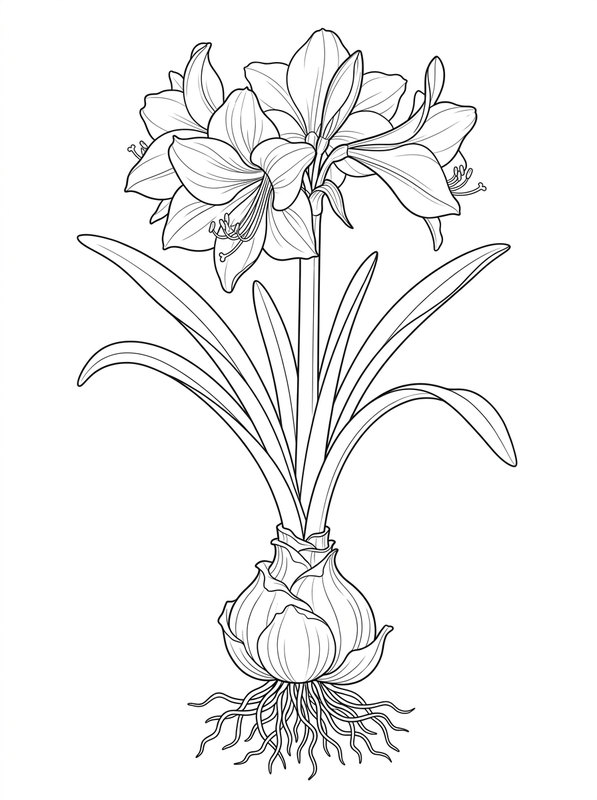
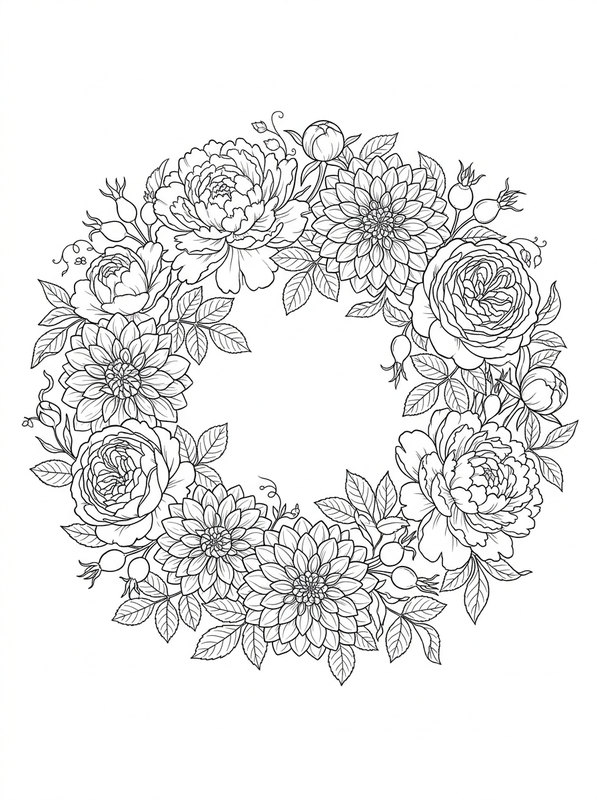
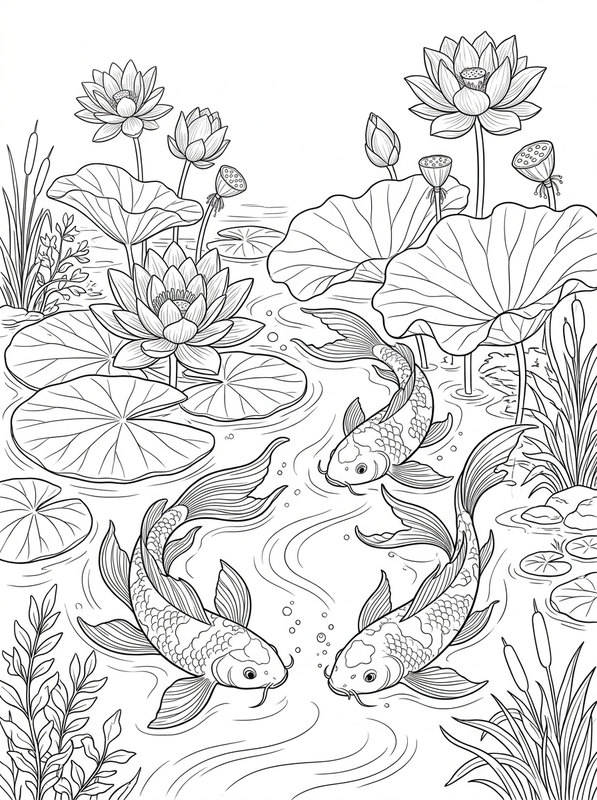
These 58 free printable flower coloring pages for adults bring together realistic botanical illustrations, elaborate floral arrangements, and detailed scenes filled with flowers. Every design is available as an A4 PDF to download and print. The collection includes roses, peonies, orchids, dahlias, lilies, magnolias, and many other blooms, with intricate petals, foliage, and fine outlines for anyone who enjoys spending time on a detailed picture.
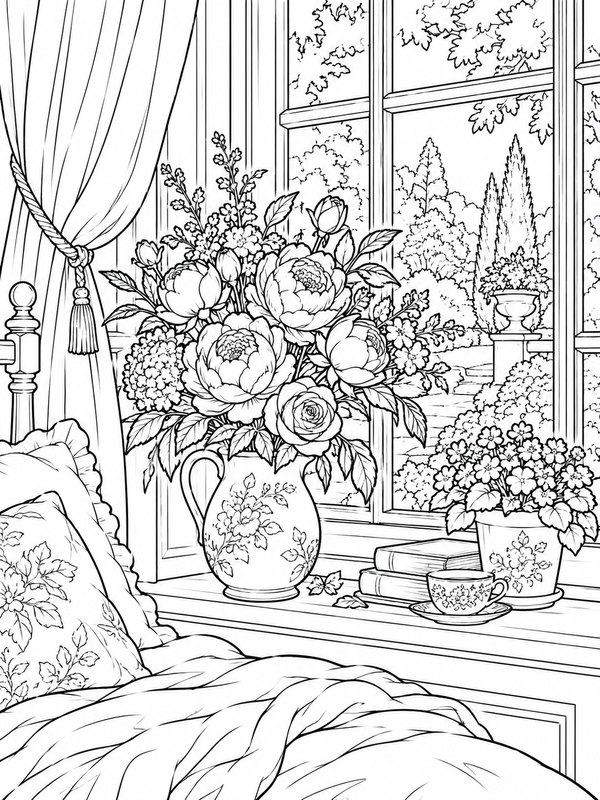
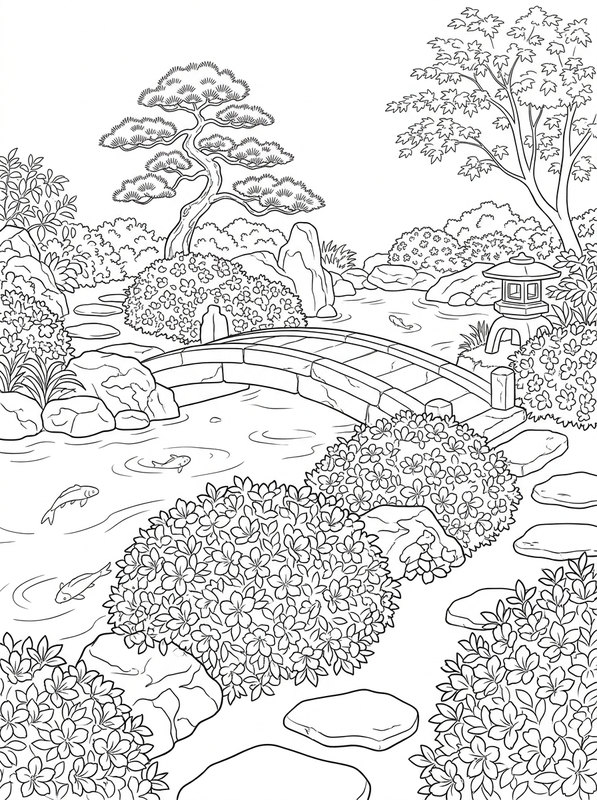
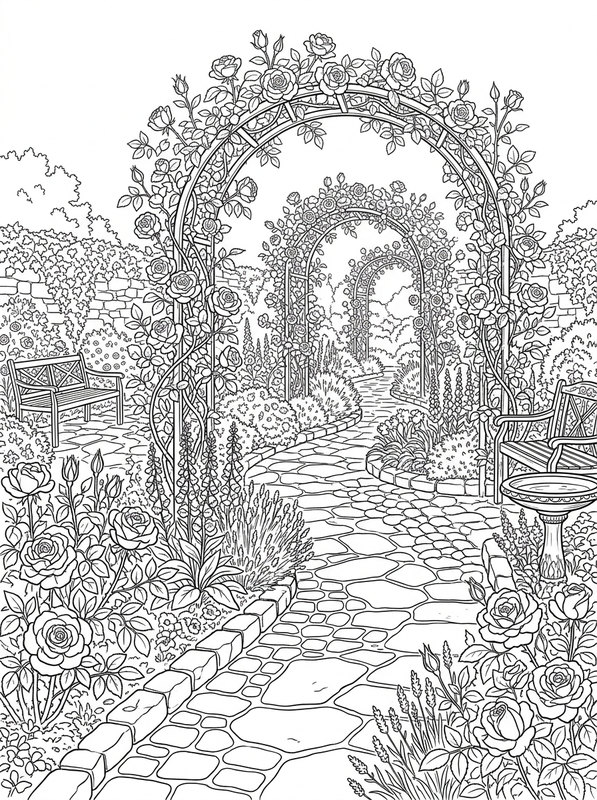
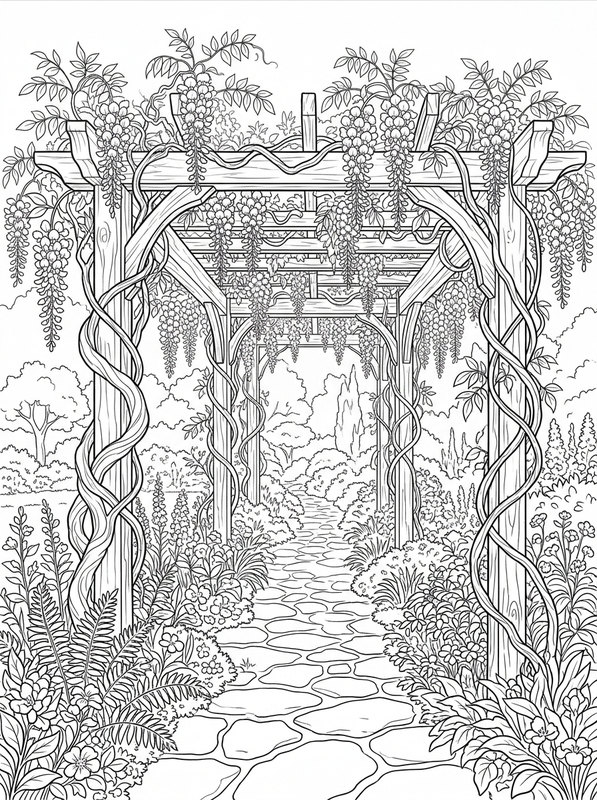
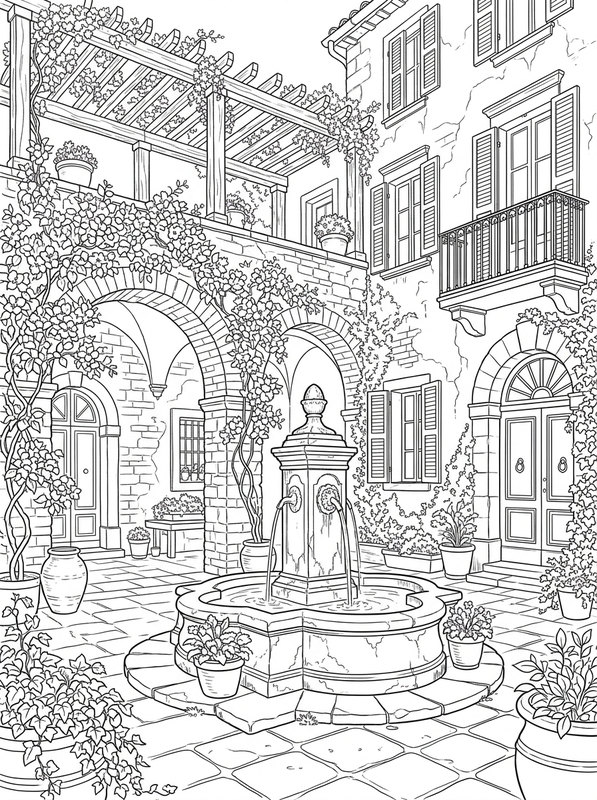
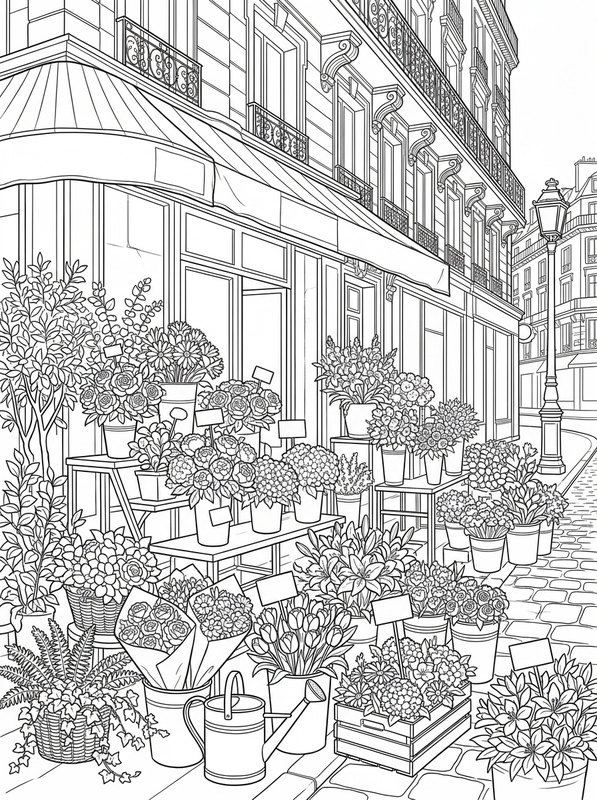
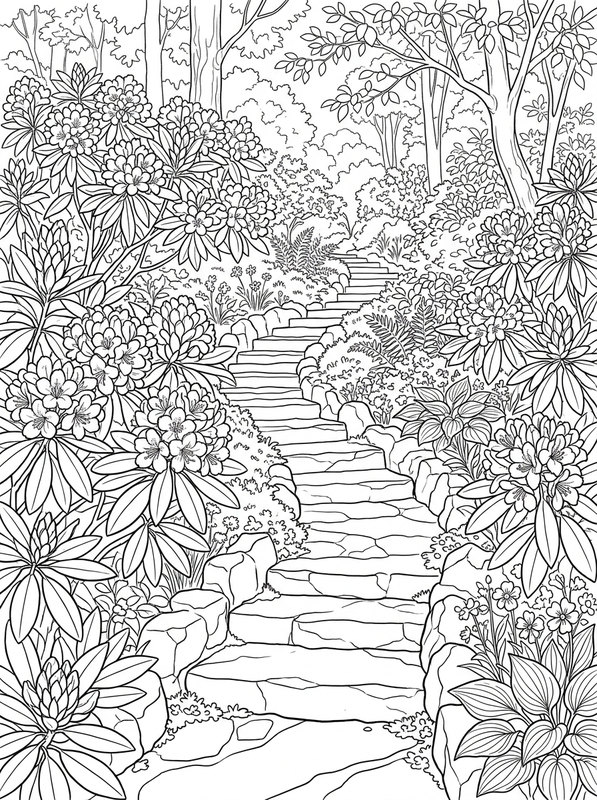
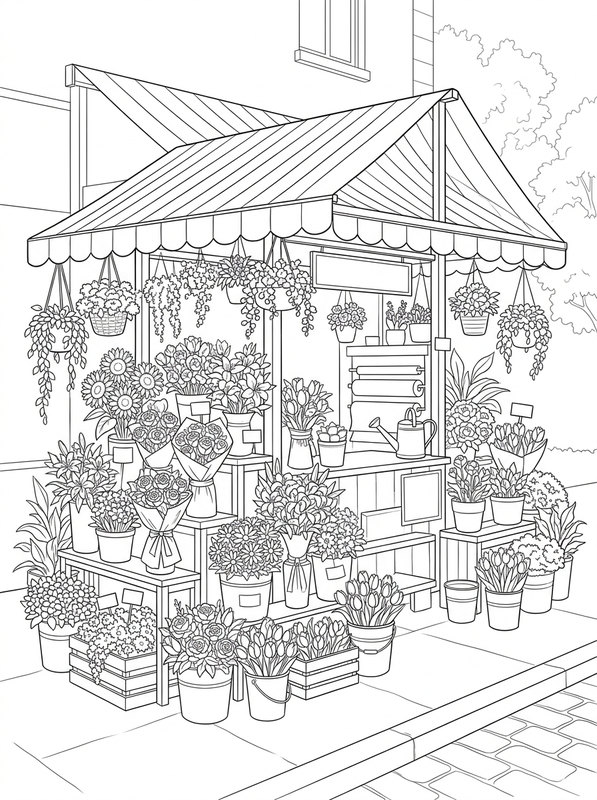
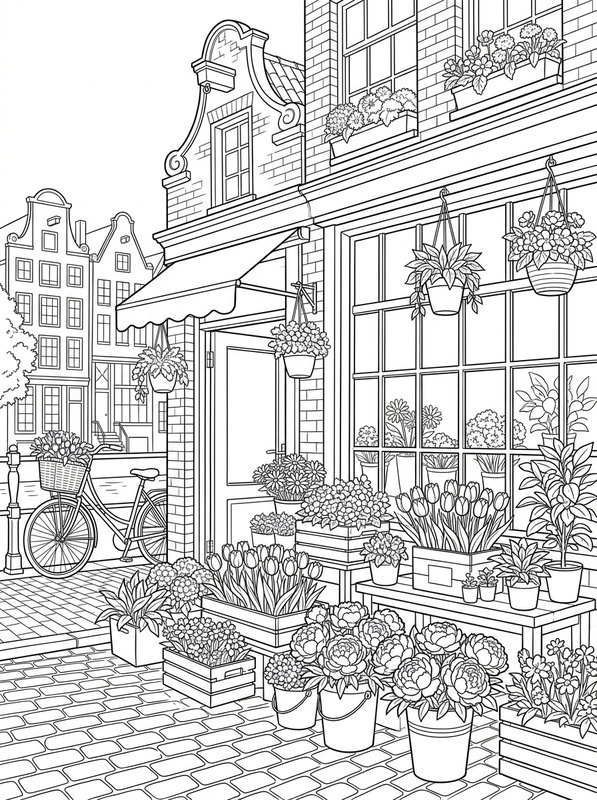
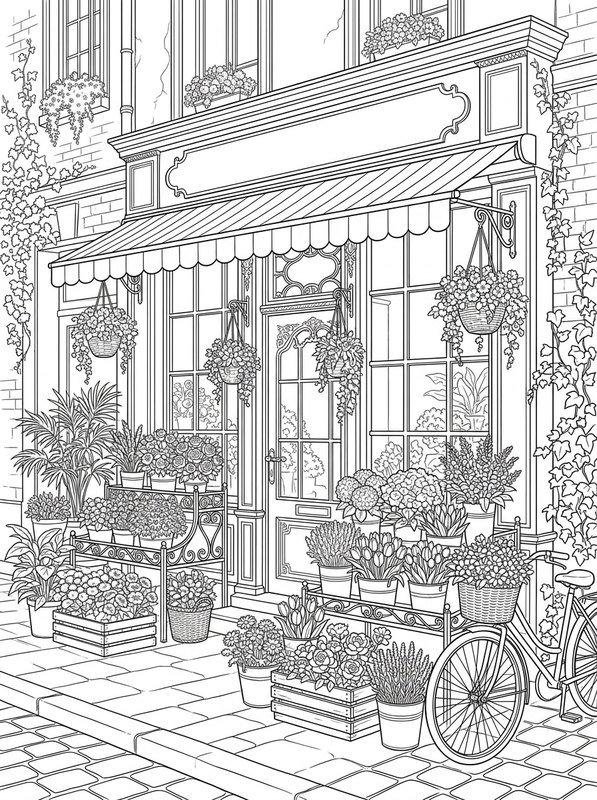
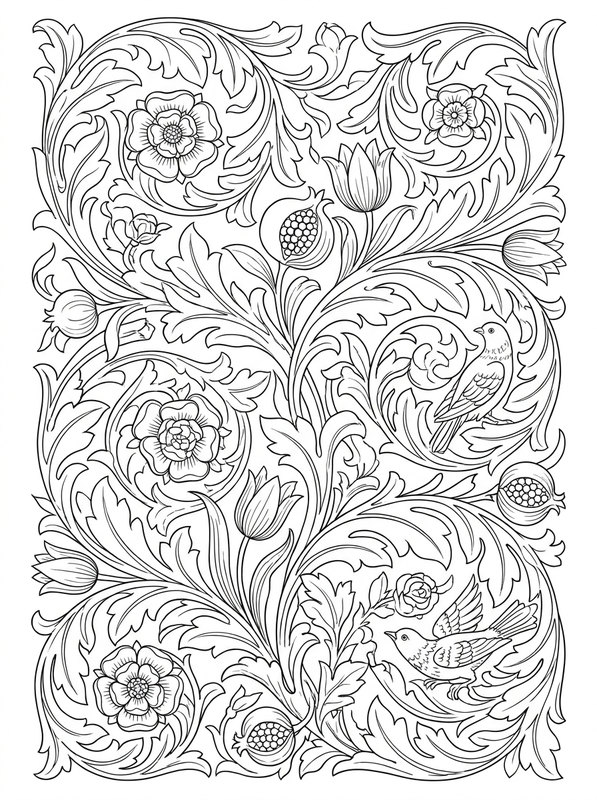
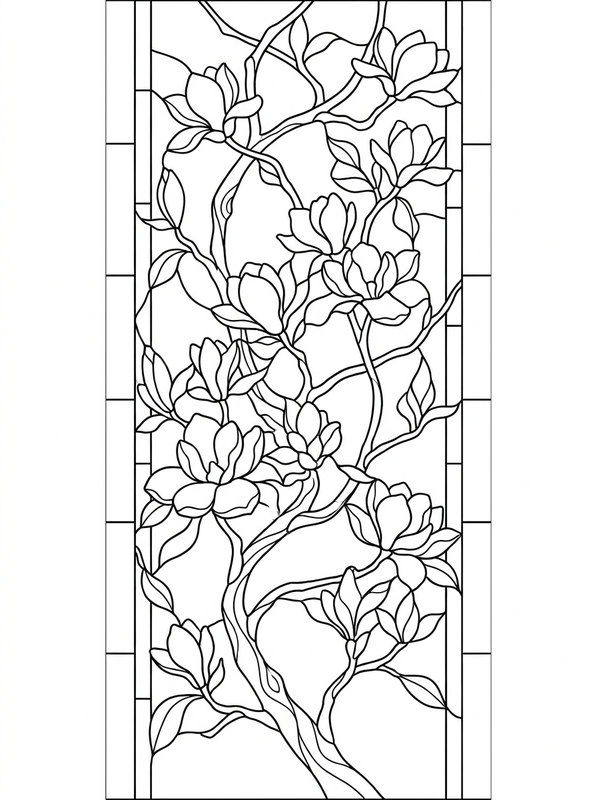
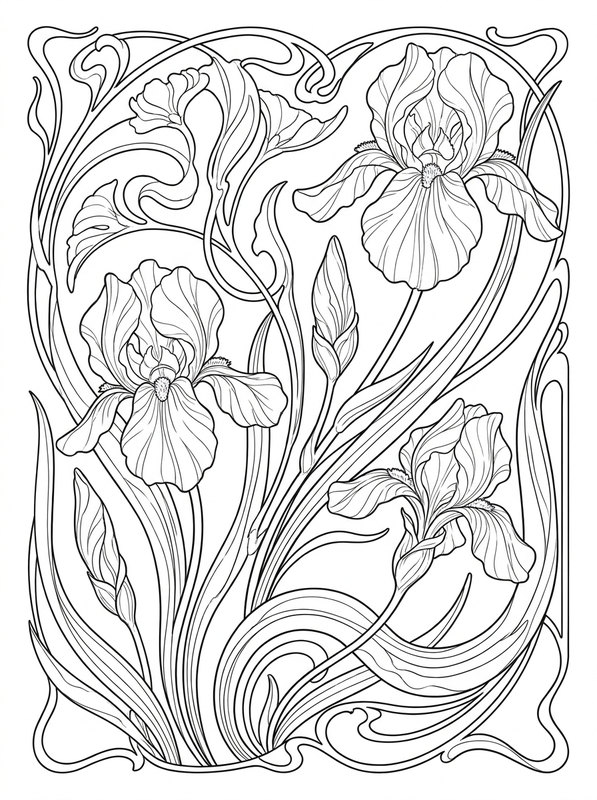
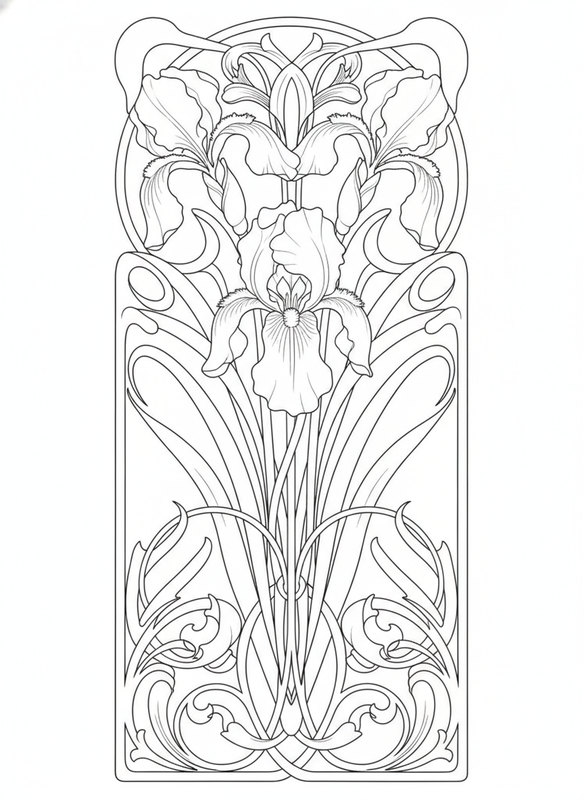
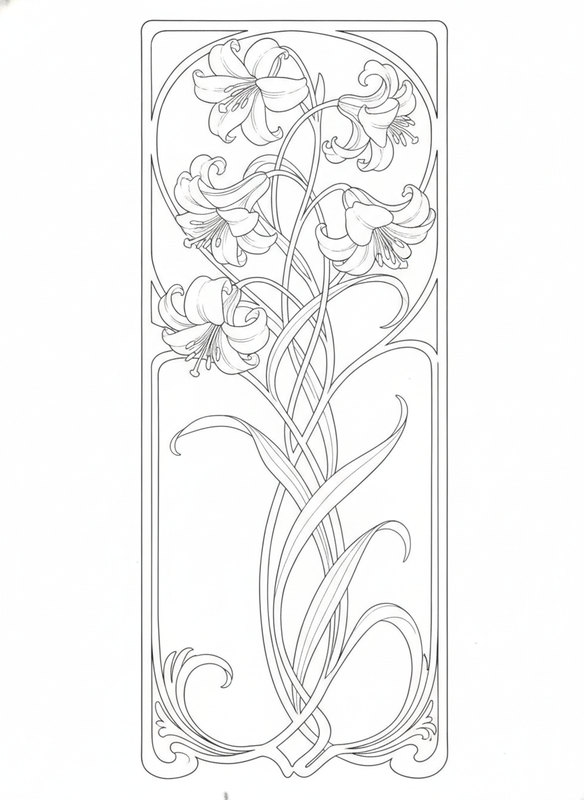
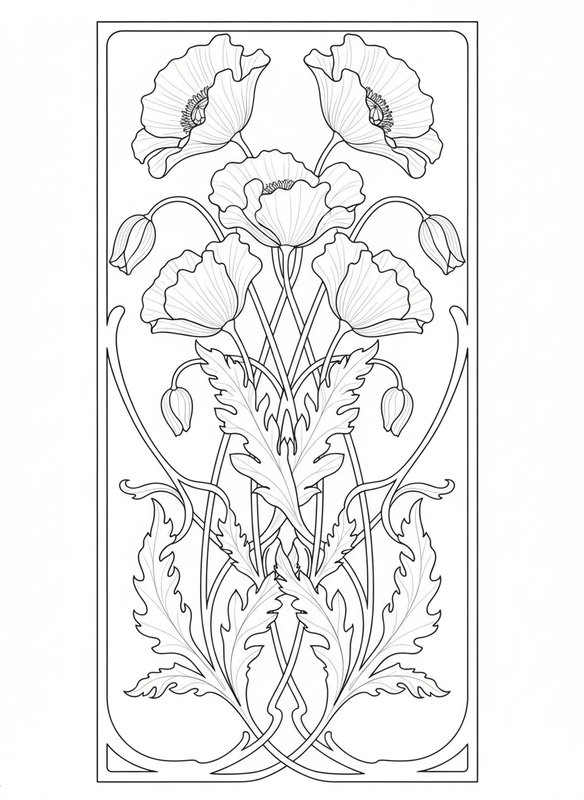
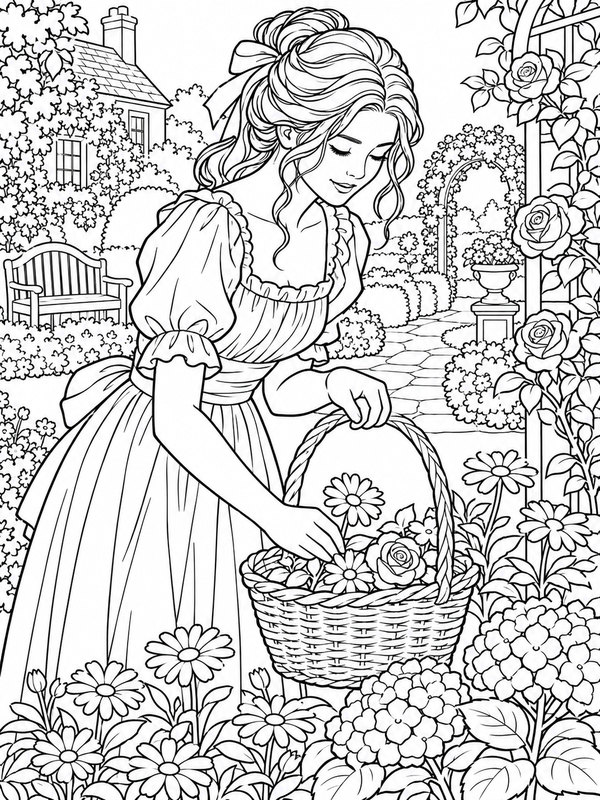
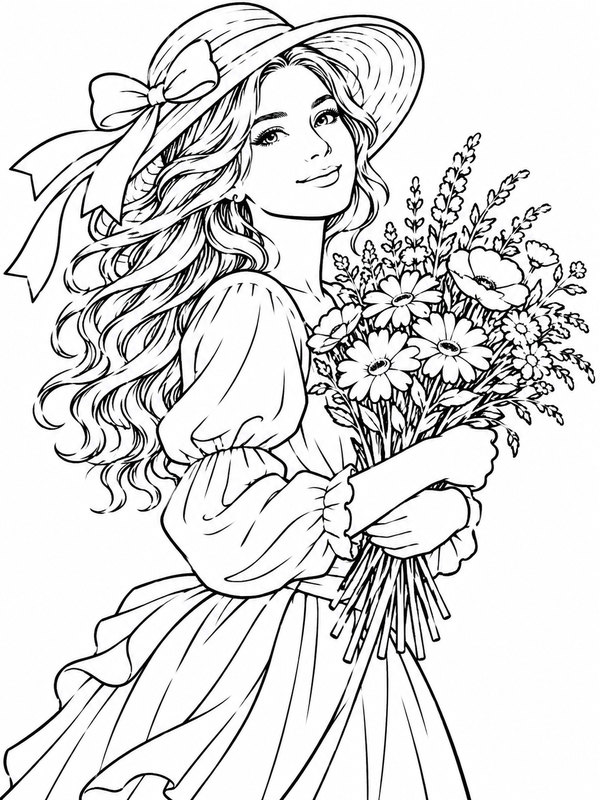
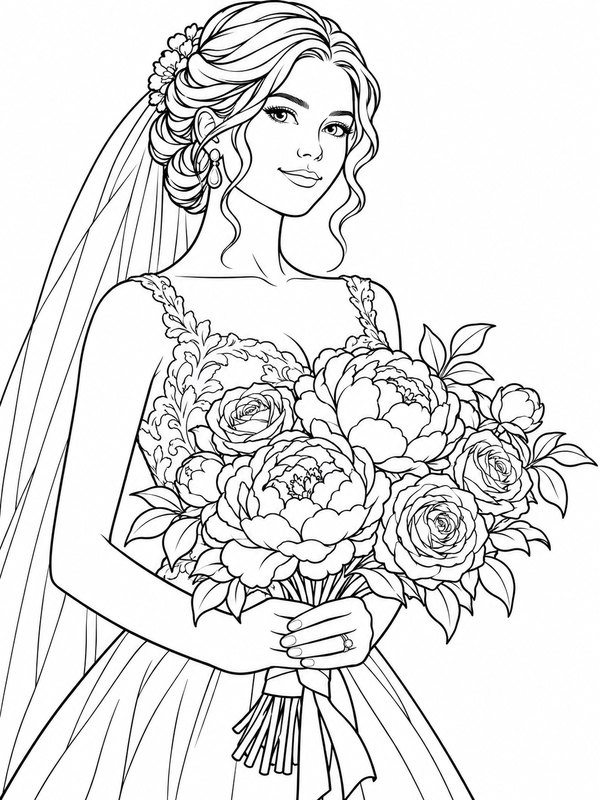
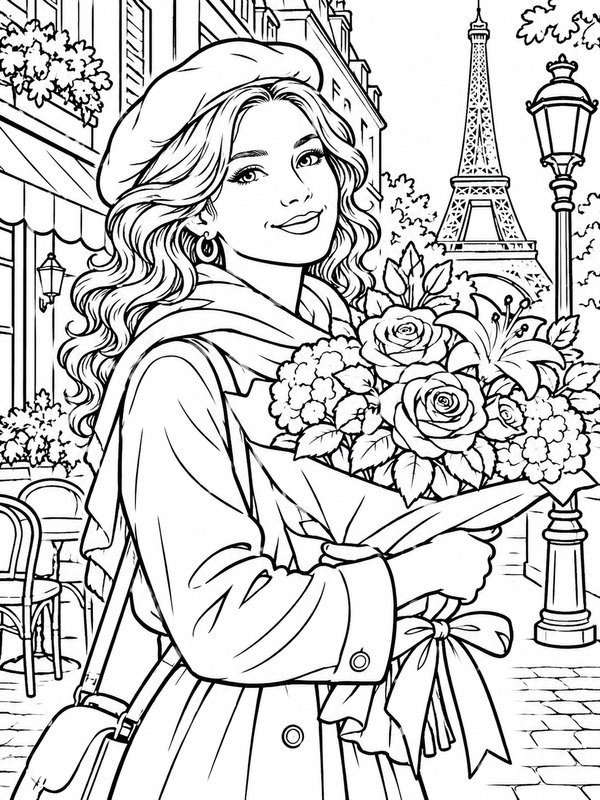
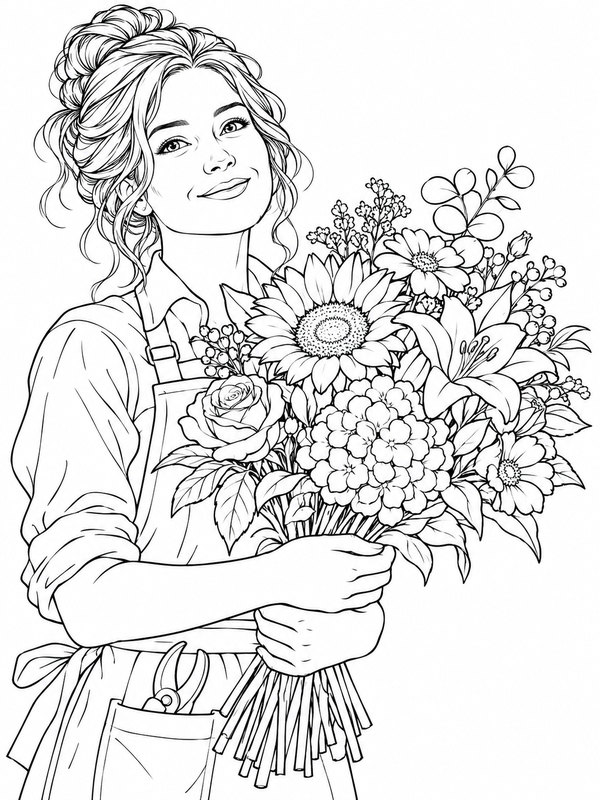
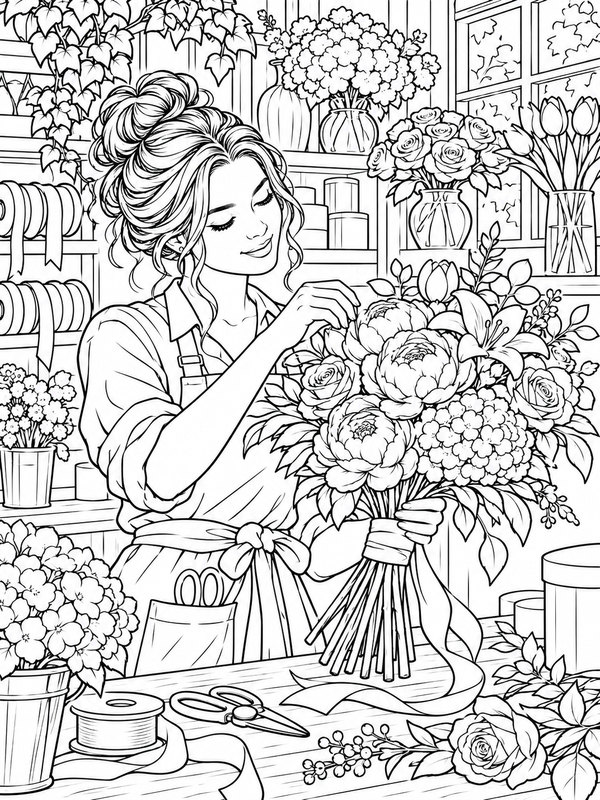
Choose from close-up flowers, mixed bouquets, flowering gardens, elegant interiors, and flower shops along European streets. Other illustrations feature women carrying flowers, a bride holding her bouquet, Art Nouveau panels, floral stained glass, and William Morris-inspired patterns. The designs vary from botanical studies with a single prominent flower to richly furnished rooms and garden scenes where flowers share the composition with architecture and decorative details.
🎨 Color Ideas for Roses, Peonies, Orchids, and Mixed Bouquets
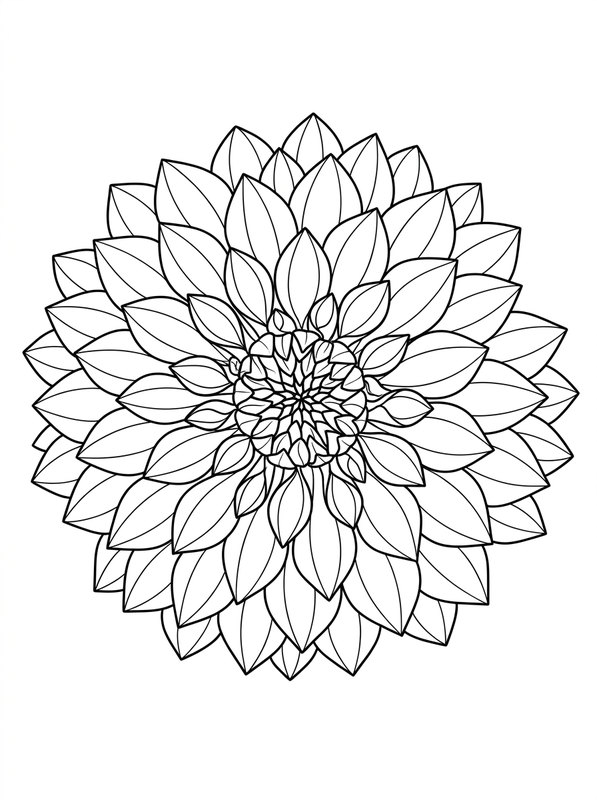
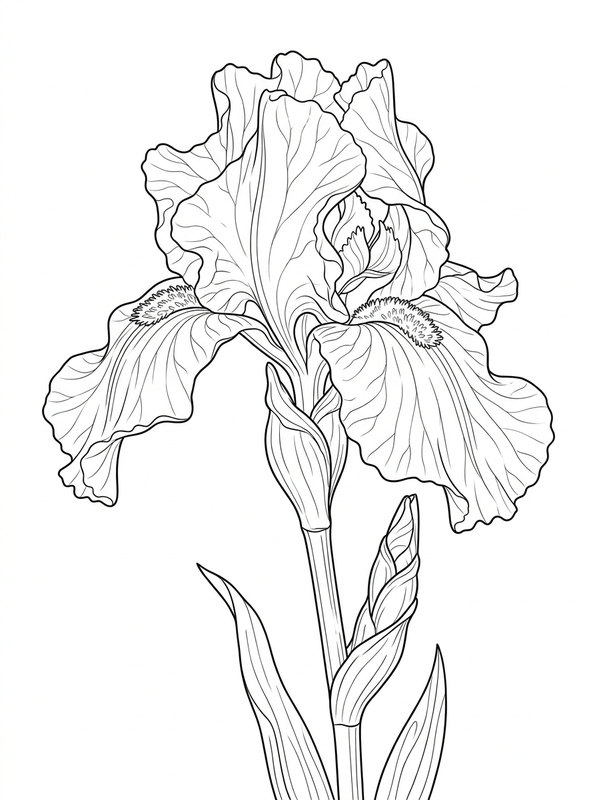
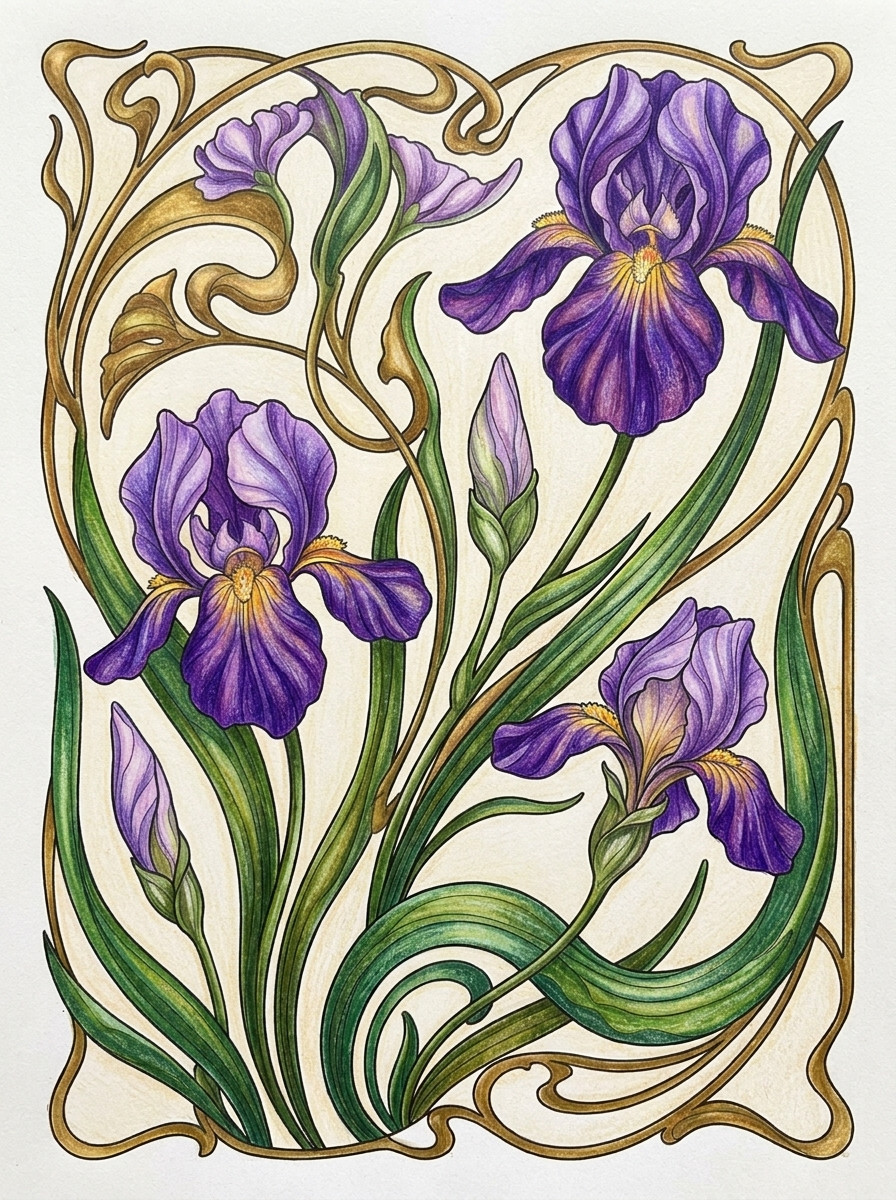
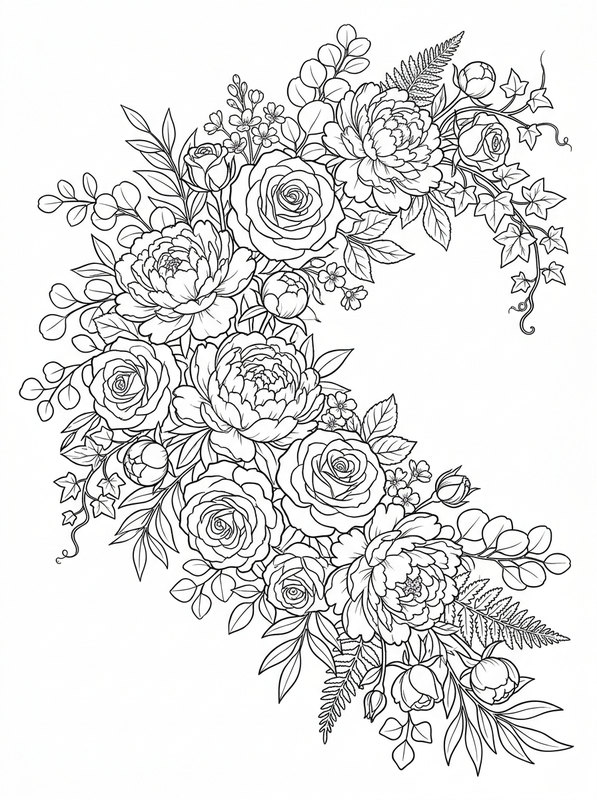
The different flower varieties offer plenty of ways to work with color. Roses can move from pale blush to deep crimson across their folded petals, while peonies often combine soft pink, cream, coral, or burgundy. Dahlias come in a particularly wide range of colors, making their repeated petal shapes suitable for gradual changes between shades. Orchids may have contrasting lips, spots, or patterned markings, and irises can combine violet, blue, yellow, and white within a single flower. There is no need to color every petal separately; a few coordinated shades can keep a detailed blossom looking cohesive.
For mixed bouquets, try choosing one dominant flower color and letting the other blooms provide contrast. A collection of pink and cream flowers can be surrounded by muted greens, while a tropical arrangement can use stronger contrasts between its flowers and broad leaves. The decorative panels allow more freedom: stained glass can use distinct colors in neighboring sections, while a William Morris-inspired floral pattern can repeat a limited palette across its foliage. The colored examples are there to suggest possibilities, not prescribe a finished result. Click on any image to enlarge and explore the details up close.
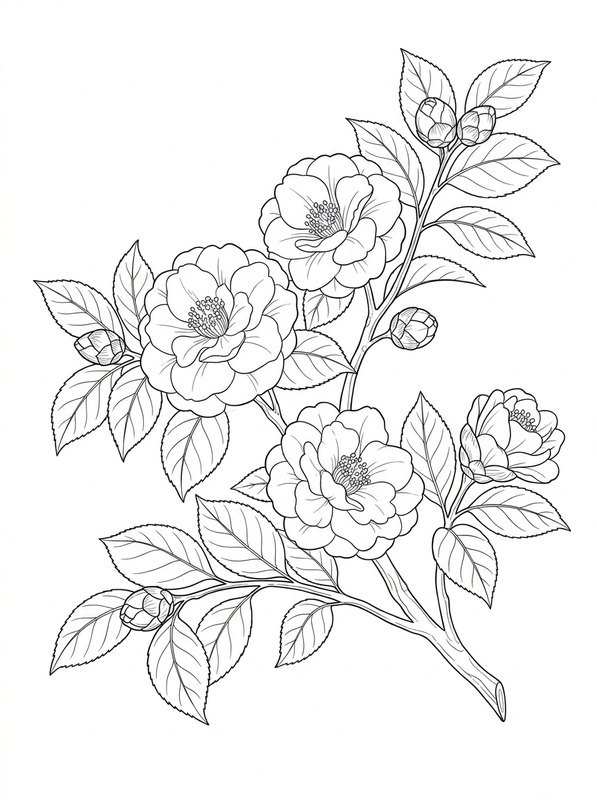
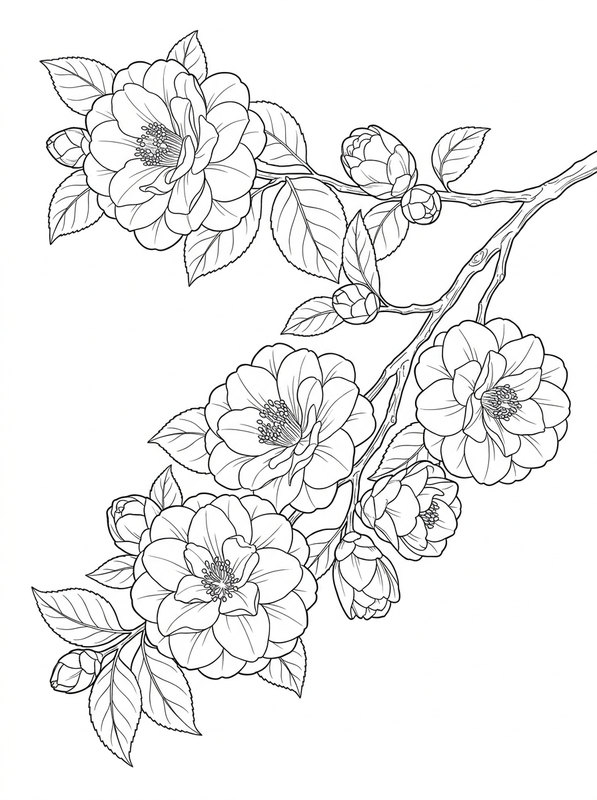
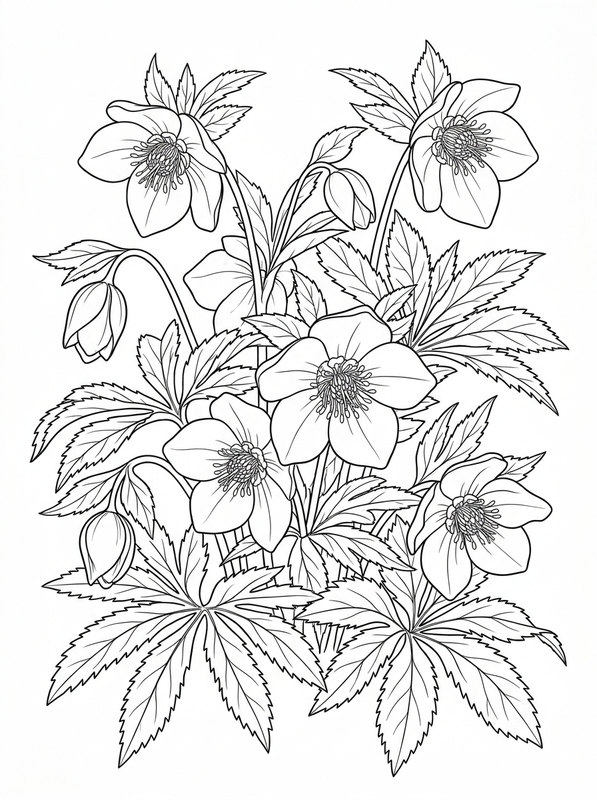
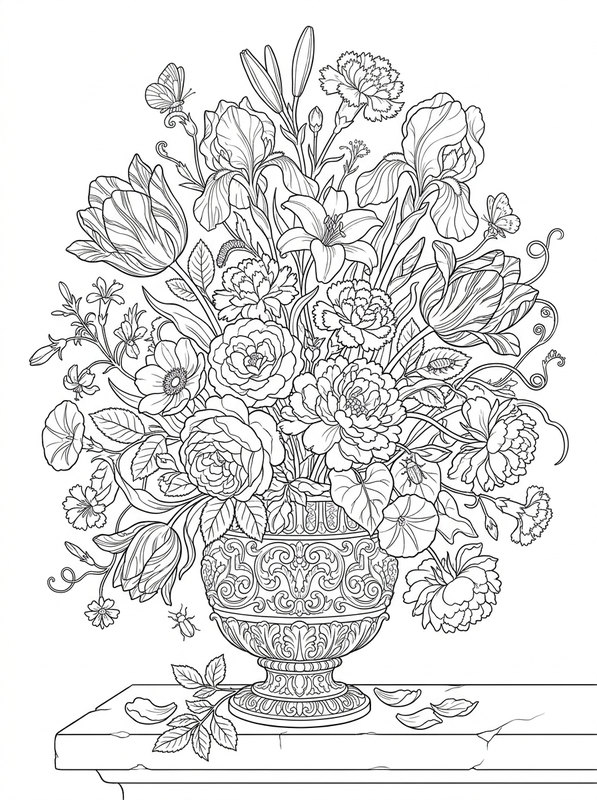
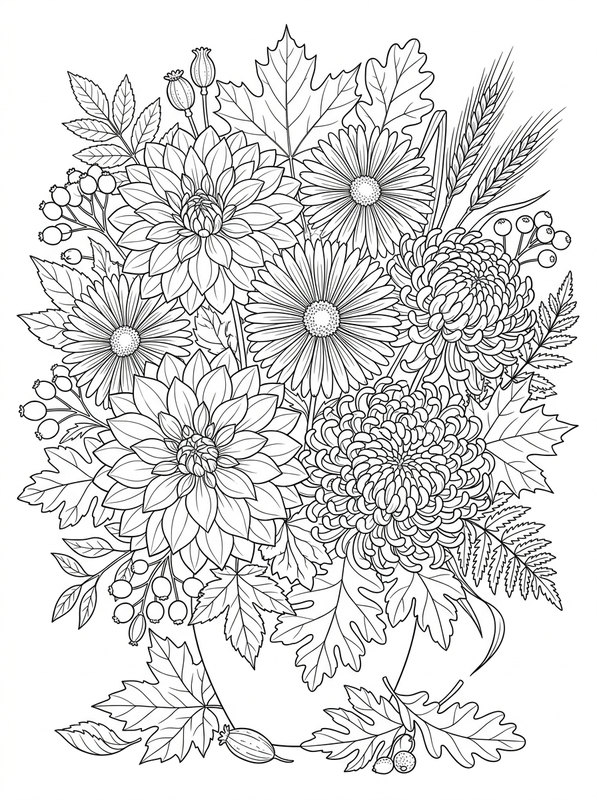
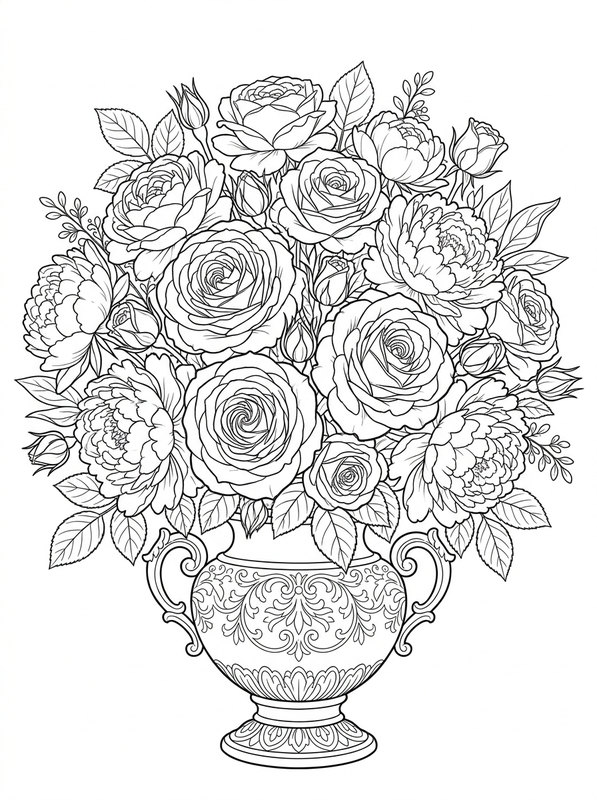
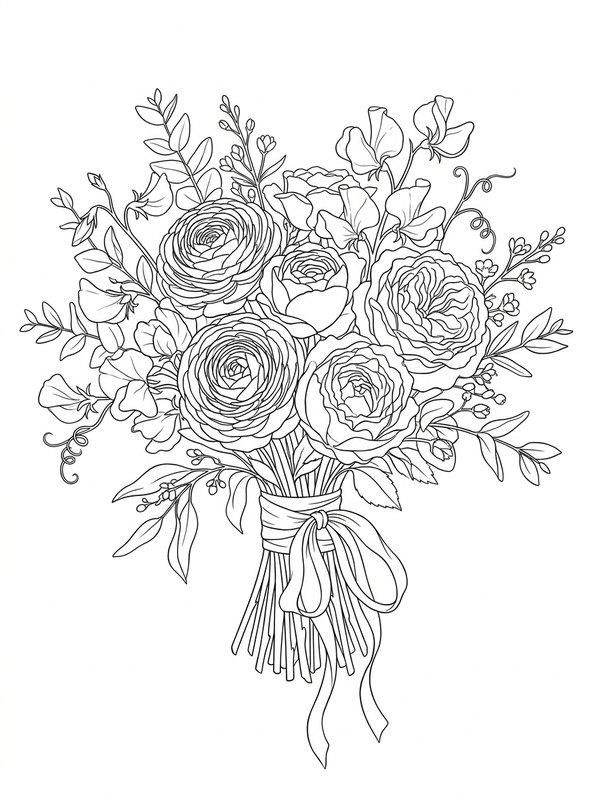
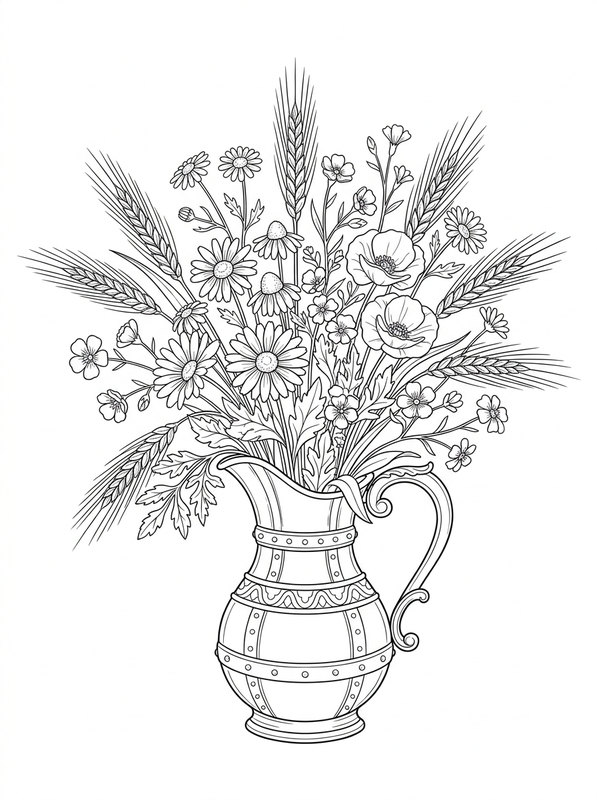
🌷 Exploring Detailed Floral Illustrations and Decorative Flower Art
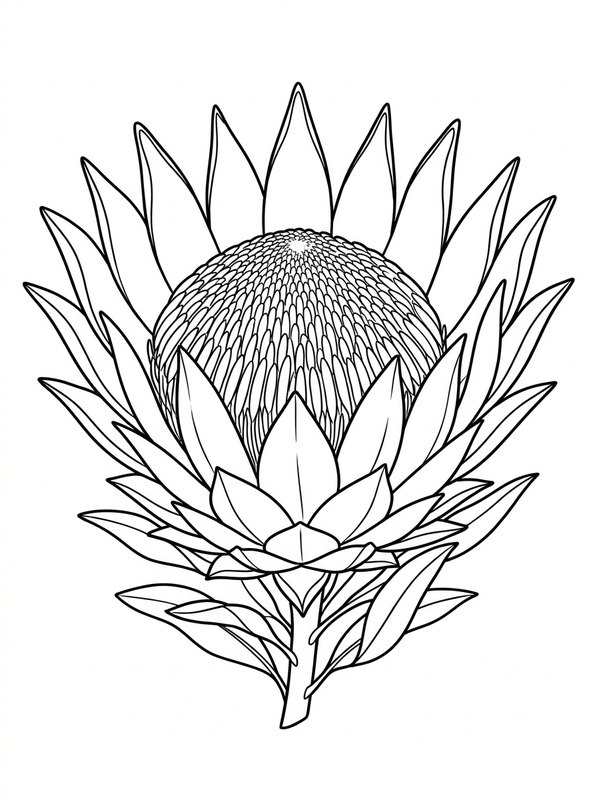
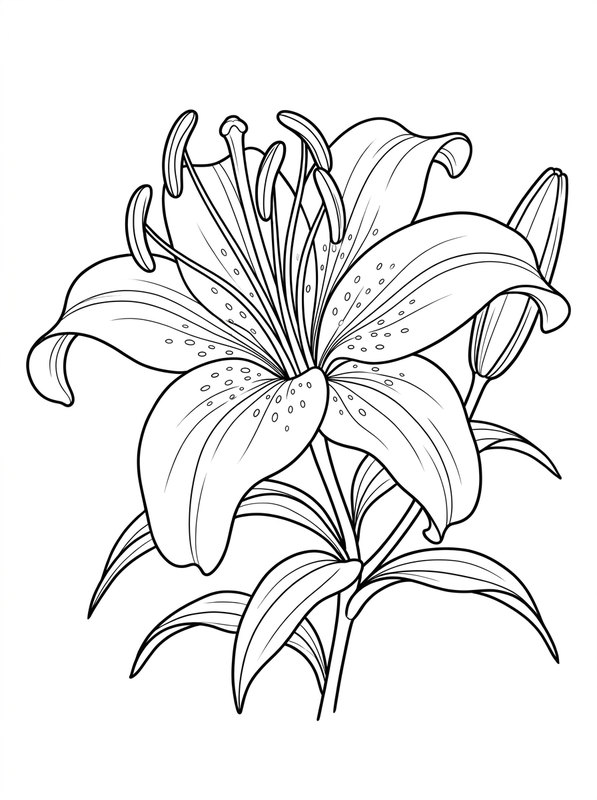
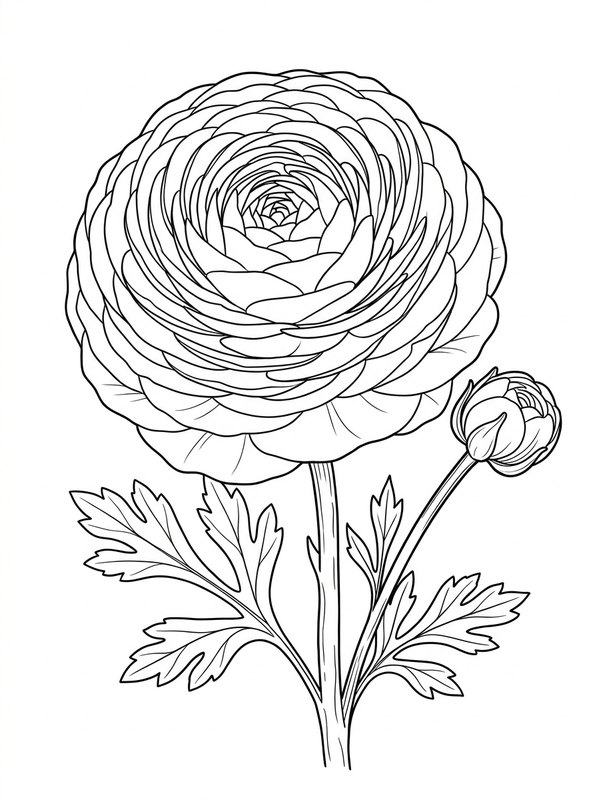
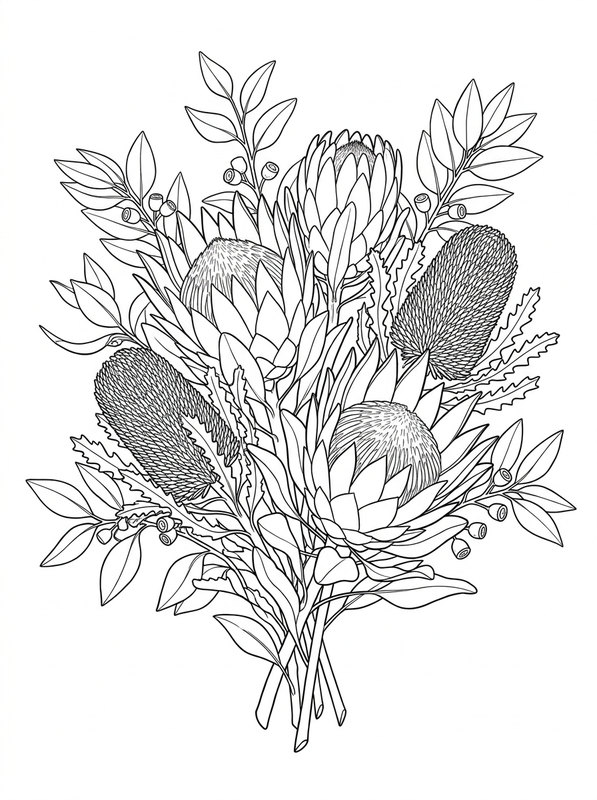
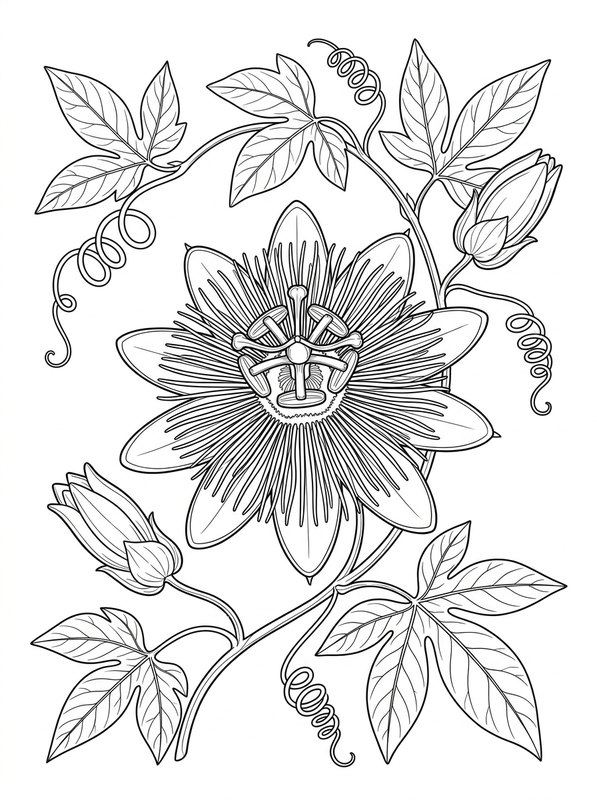
The close-up flower drawings are a good place to notice how differently blossoms are constructed. A dahlia has rows of regularly arranged petals, whereas a ranunculus forms a compact rosette of many overlapping layers. The passionflower has radiating filaments and an unusually elaborate center, and the king protea has a structured flower head surrounded by pointed bracts. Irises introduce broad folded petals, while lilies have prominent stamens that extend into the open flower. These recognizable differences give each design its own combination of fine and open spaces to color.
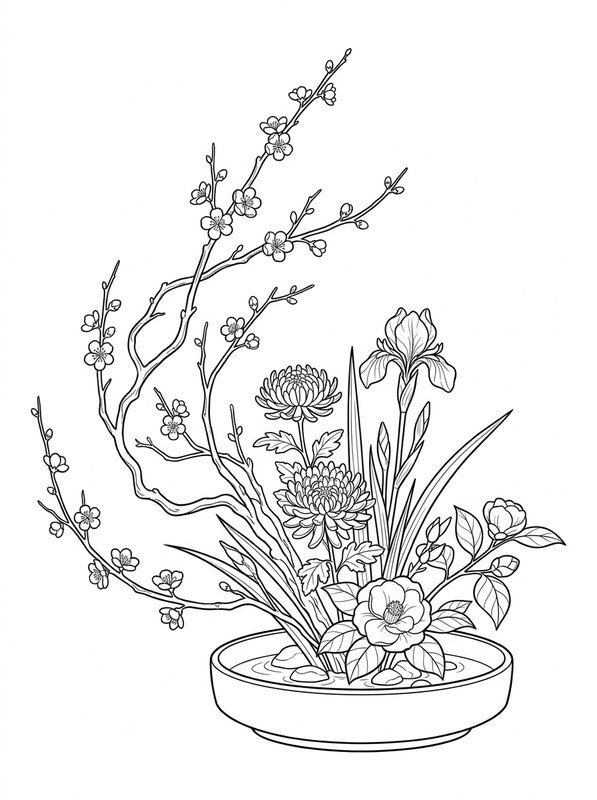
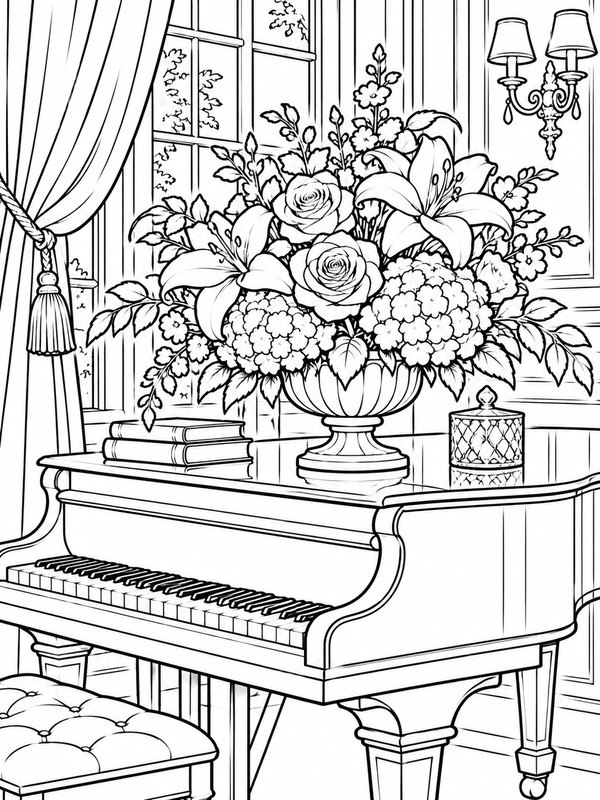
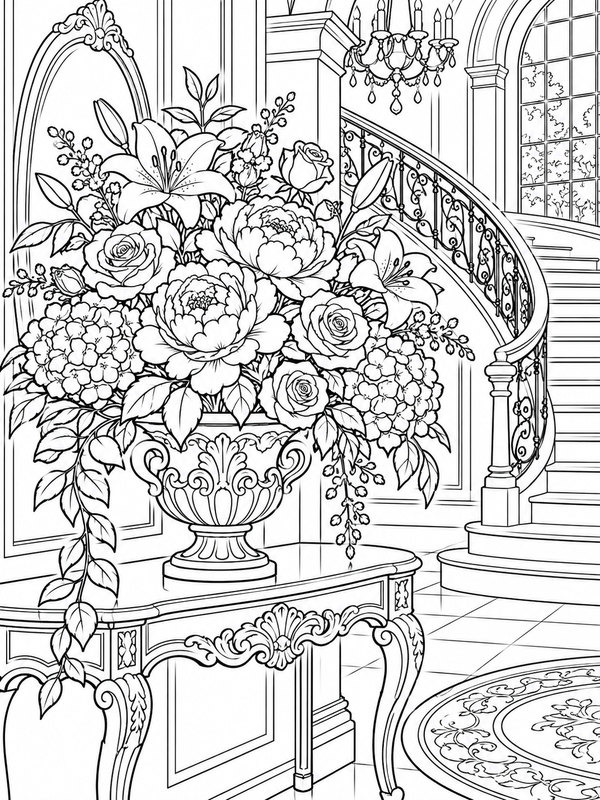
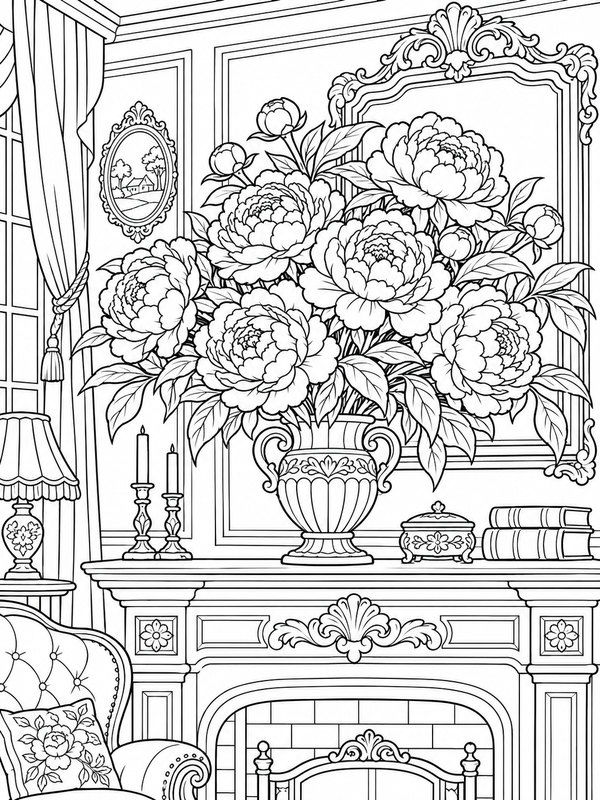
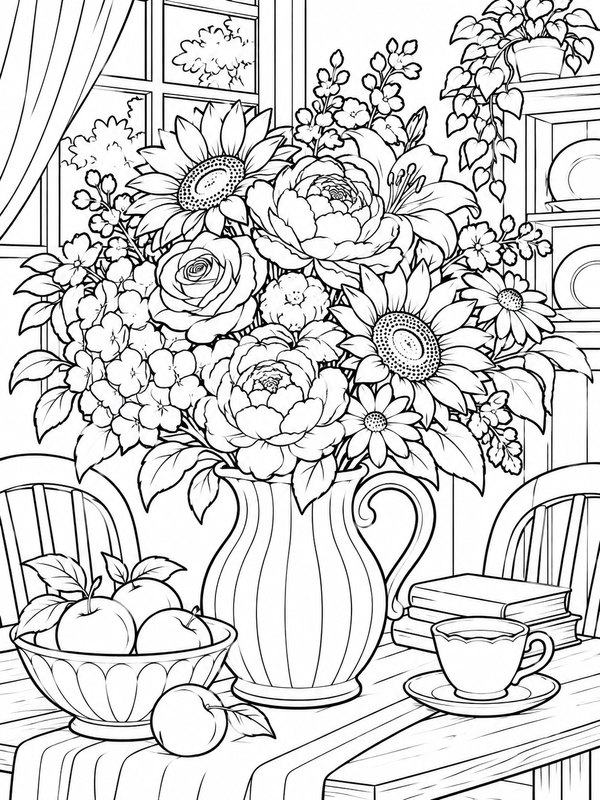
The floral arrangements present a different challenge because individual blooms overlap. In the classical urns and large mixed bouquets, some flowers are fully visible while others appear between leaves, buds, and neighboring blossoms. One approach is to identify the largest flowers first and give them the main colors of the arrangement. Smaller blossoms and greenery can then connect the composition without competing with its focal points. The ikebana illustration works differently, using more open space around its branches and flowers.
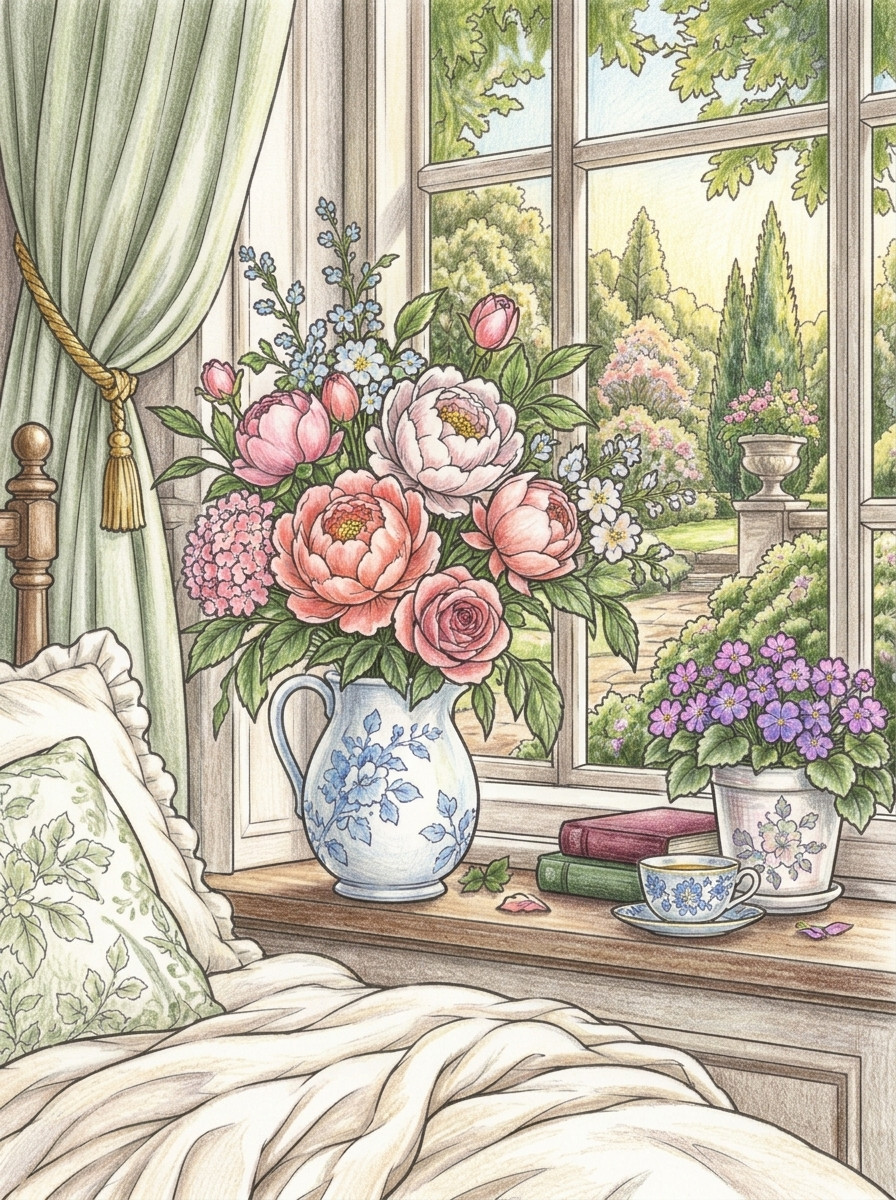
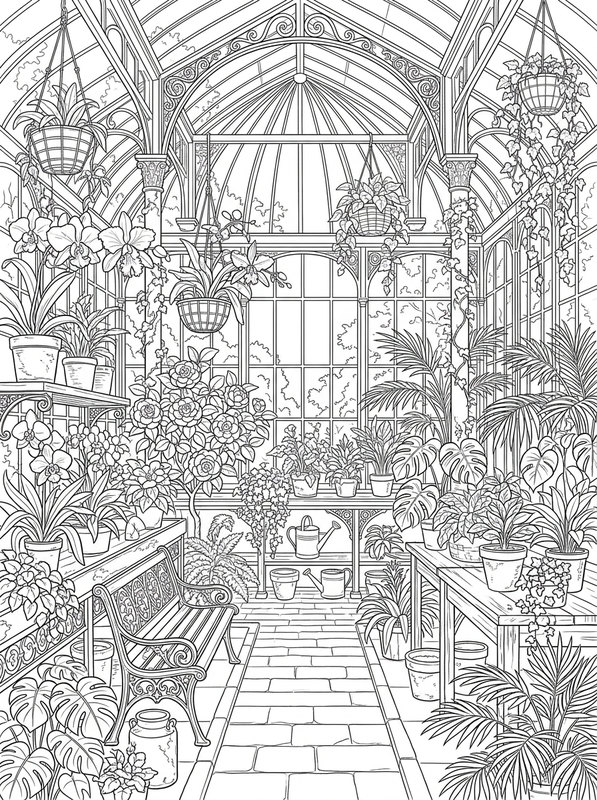
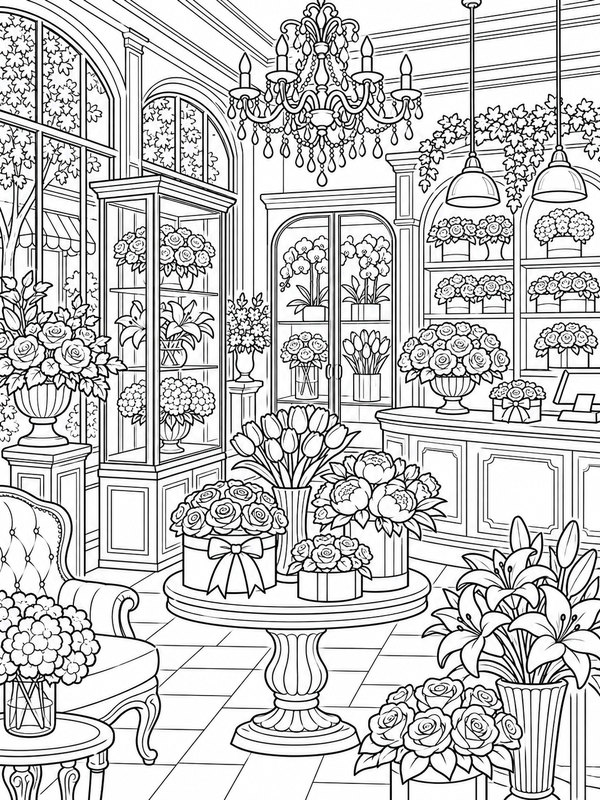
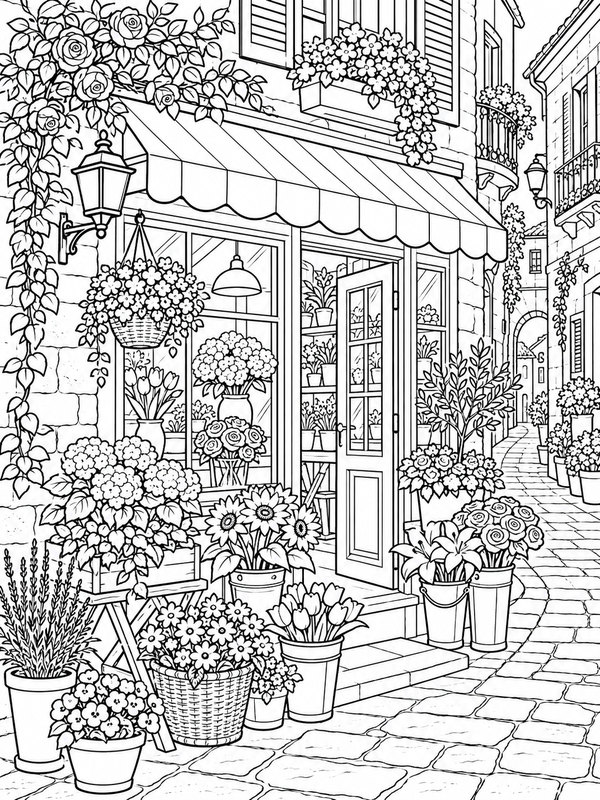
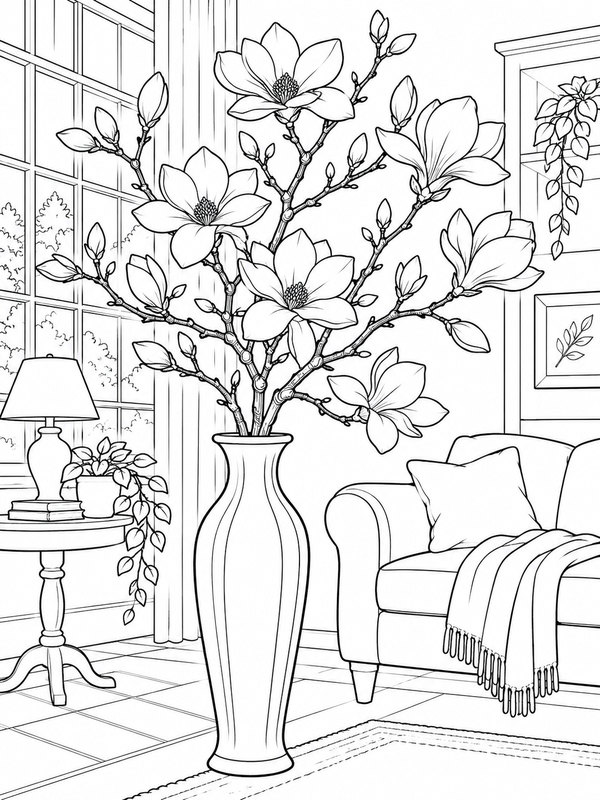
Flower shops and interiors introduce materials that are absent from botanical studies. The shop illustrations include striped awnings, window displays, buckets, baskets, and groups of cut flowers. Indoors, floral arrangements sit beside books, windows, mirrors, furniture, and architectural details. In the piano and staircase scenes, the straight or curved lines of the furnishings contrast with the irregular outlines of the flowers. Keeping the room's main surfaces in a restrained palette can help the floral arrangement remain prominent.
The ornamental illustrations draw on different traditions of floral design. Art Nouveau panels emphasize flowing stems, elongated leaves, and decorative curves around recognizable flowers. The William Morris-inspired pattern relies on closely interwoven plants and repeated motifs, so deciding which leaves and blossoms share colors can make the design easier to follow. Stained-glass panels divide the image into enclosed sections rather than natural botanical outlines. These designs offer an alternative to realistic shading while keeping flowers as the main subject.
All 58 designs are available as printable A4 PDFs. Print at 100% scale to preserve their original proportions, particularly in closely spaced petals, botanical structures, and intricate floral patterns. For a densely detailed illustration, colored pencils let you work gradually through small areas without covering the outlines. Fine-tip markers can suit the enclosed sections of stained-glass designs, although heavier paper and a protective sheet underneath are sensible if the ink tends to bleed through.