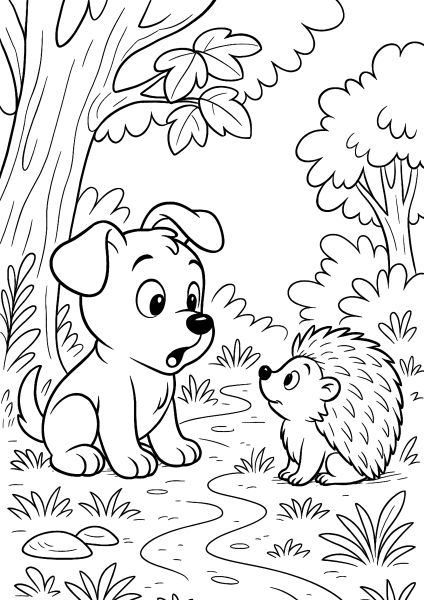
Cartoon Dog Coloring Pages
🐶 Cartoon Dog Coloring Pages
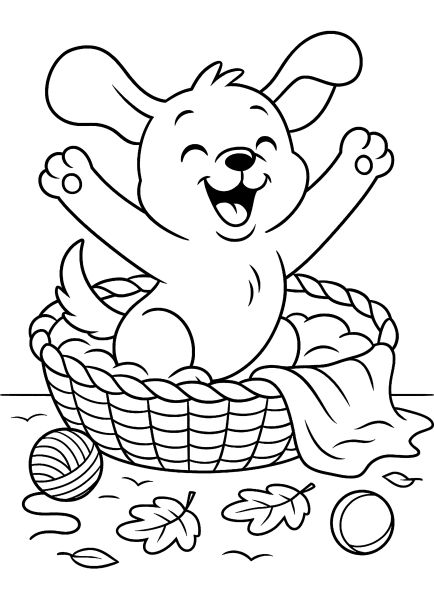
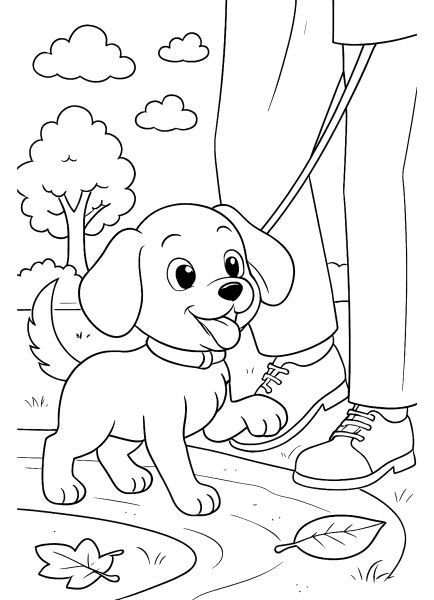
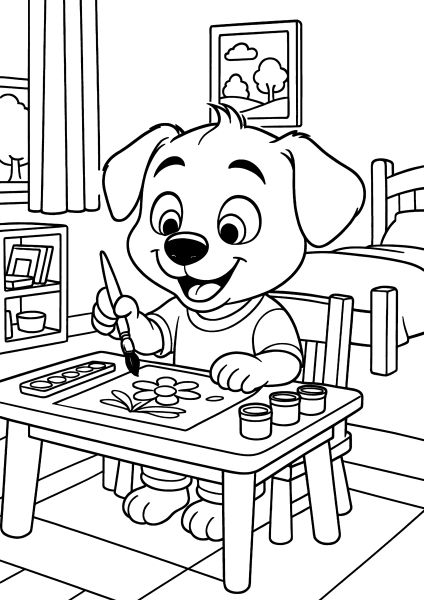
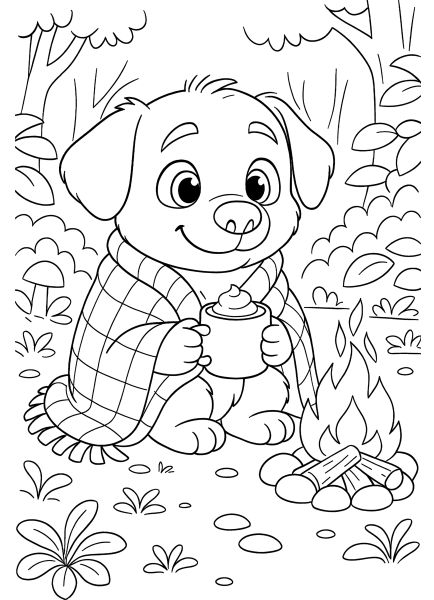
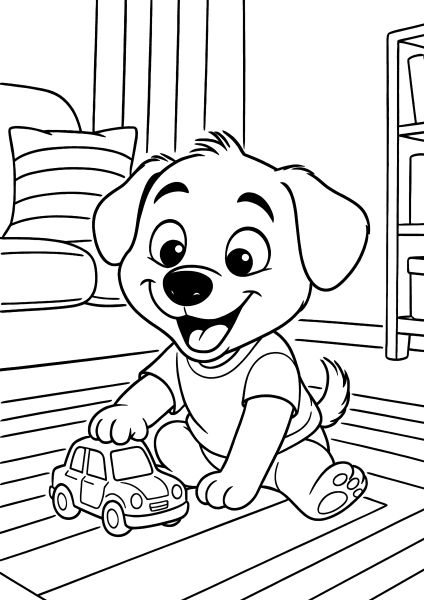
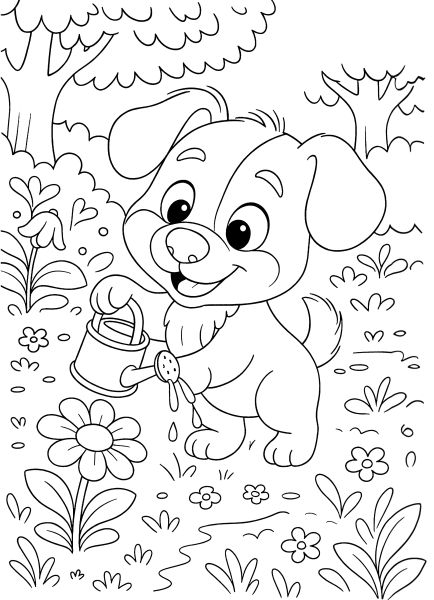
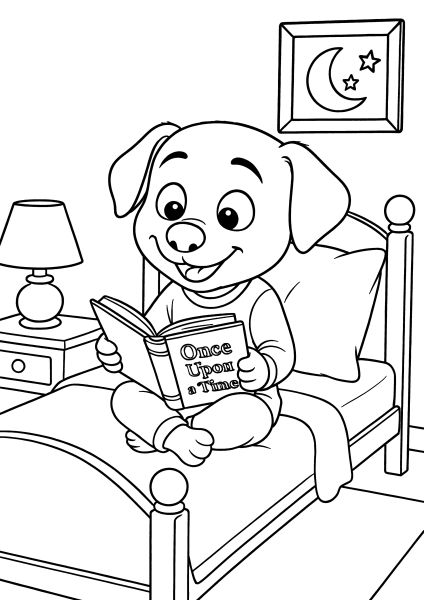
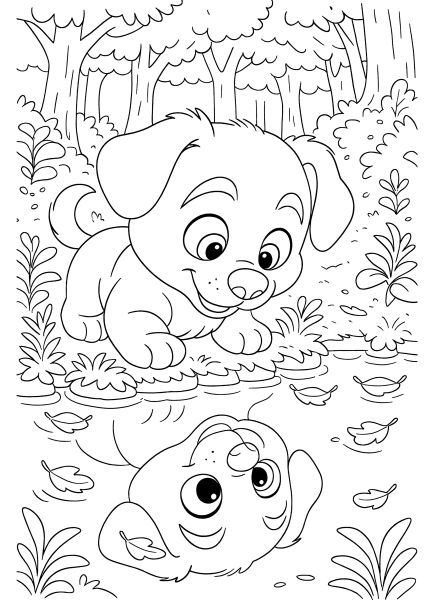
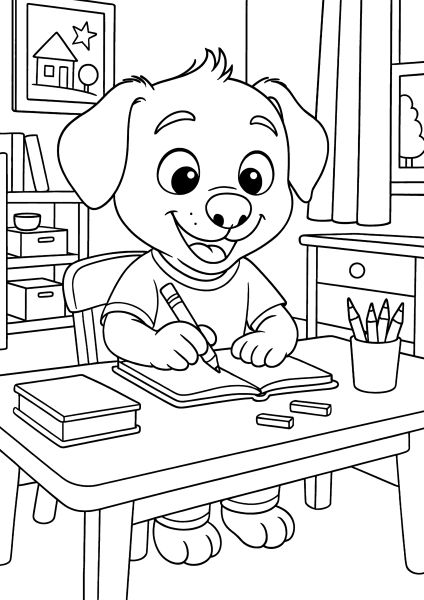
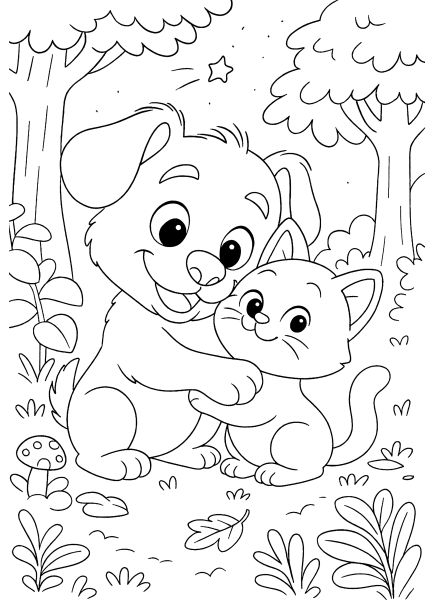
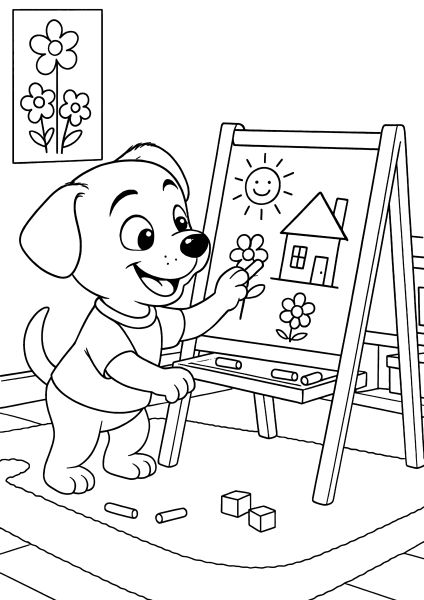
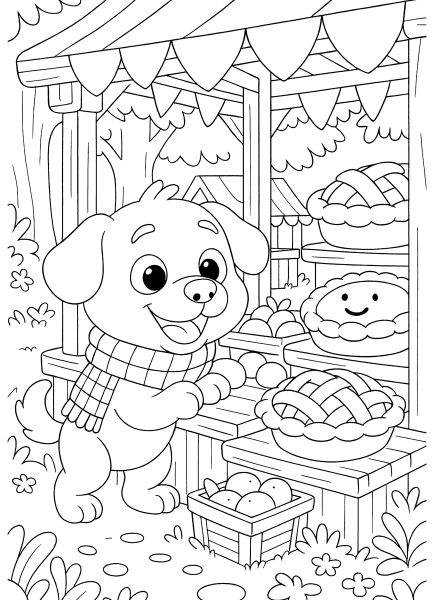
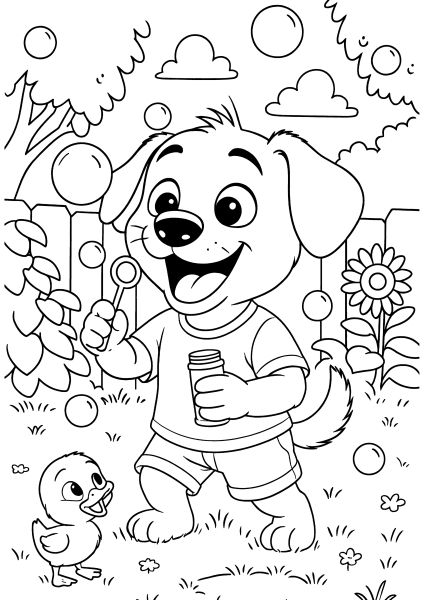
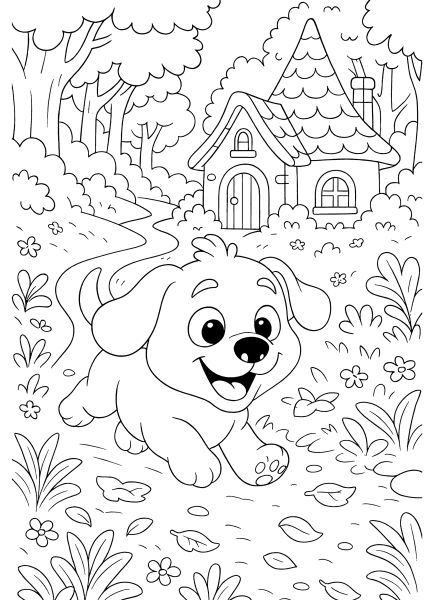
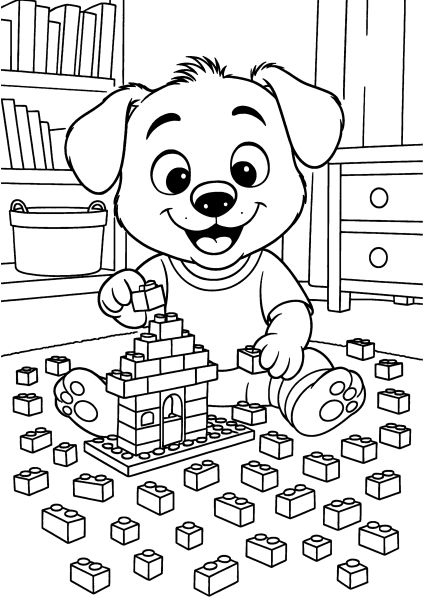
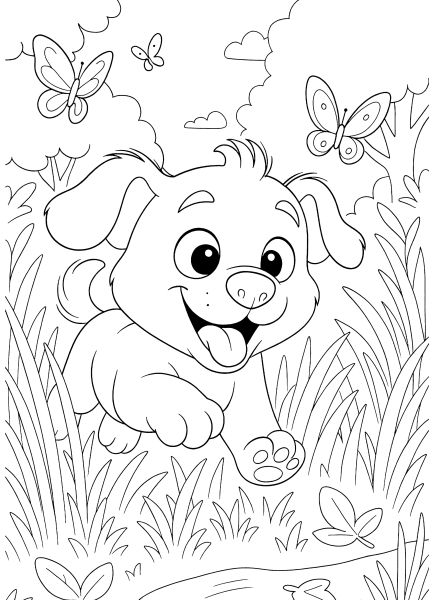
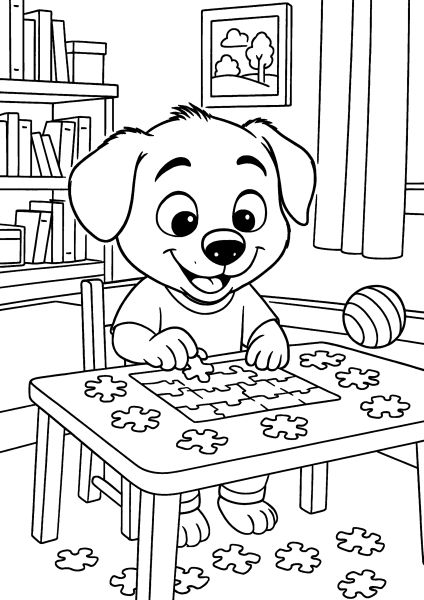
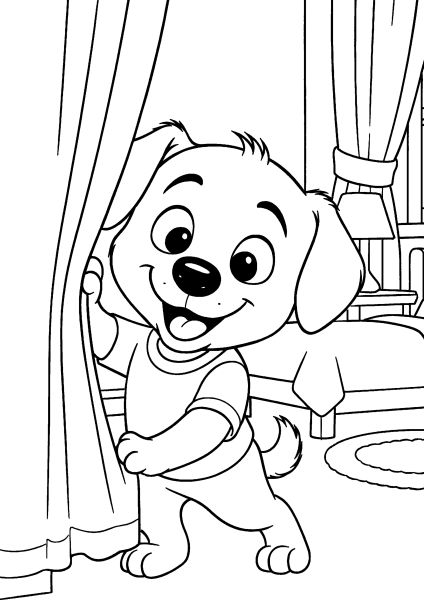
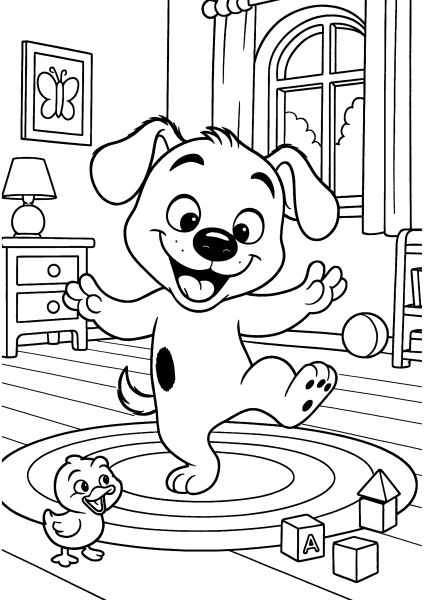
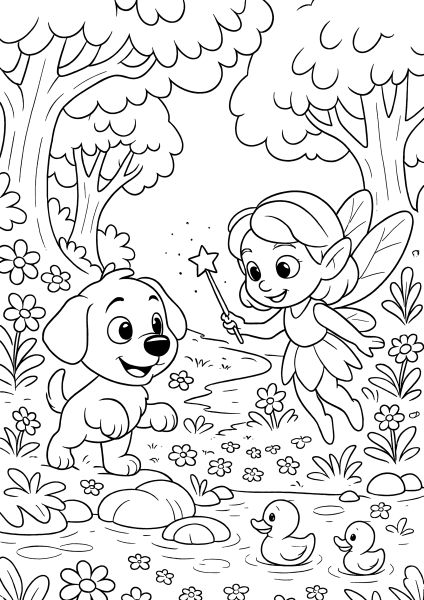
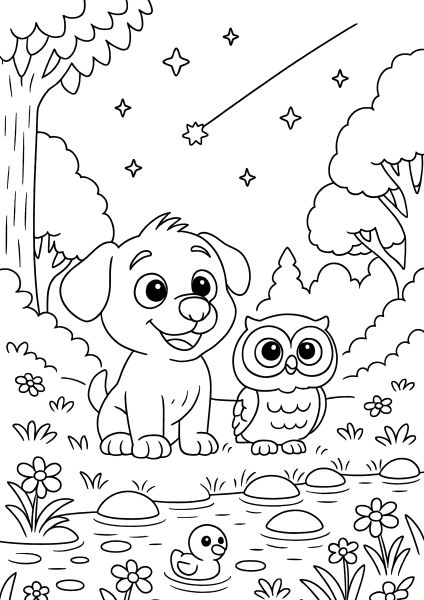
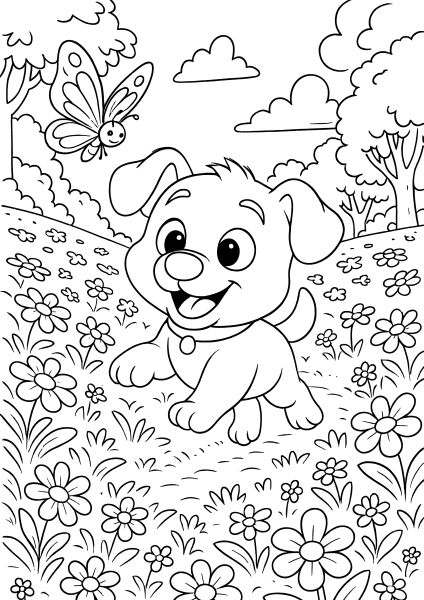
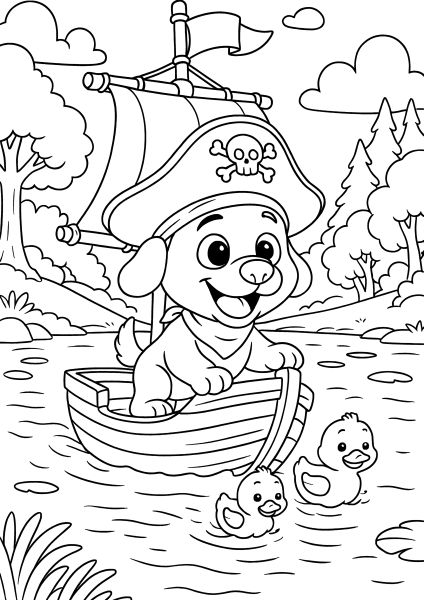
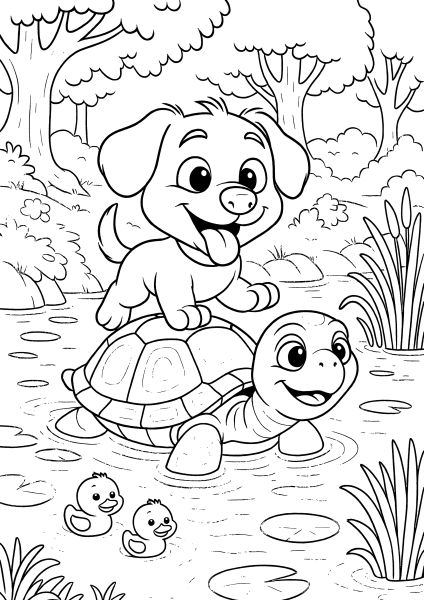
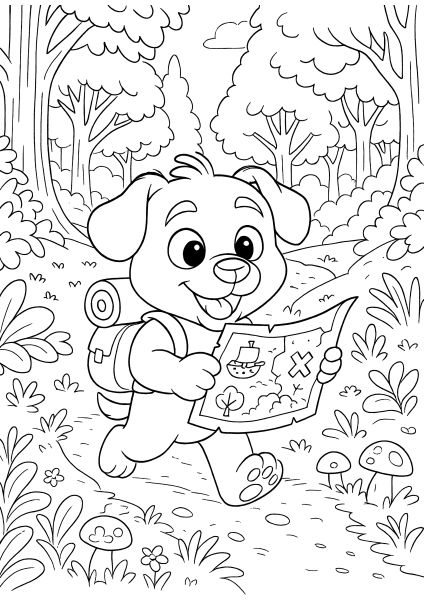
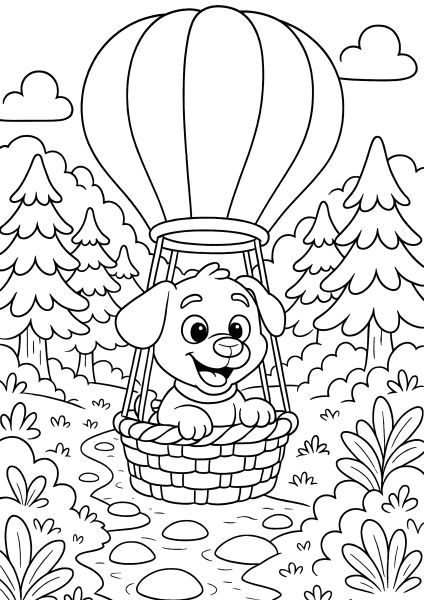
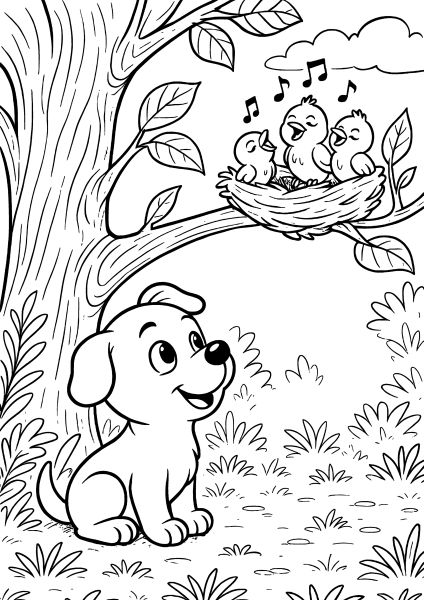
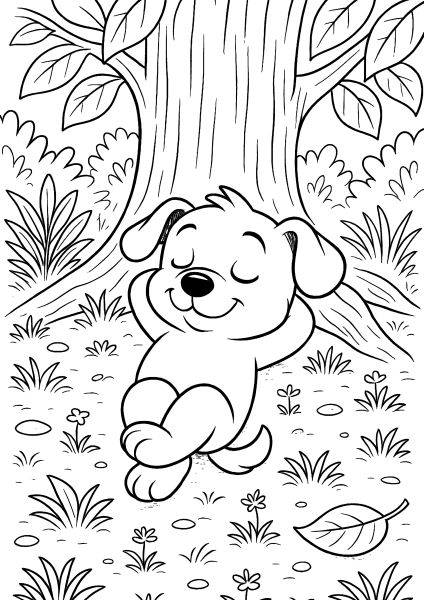
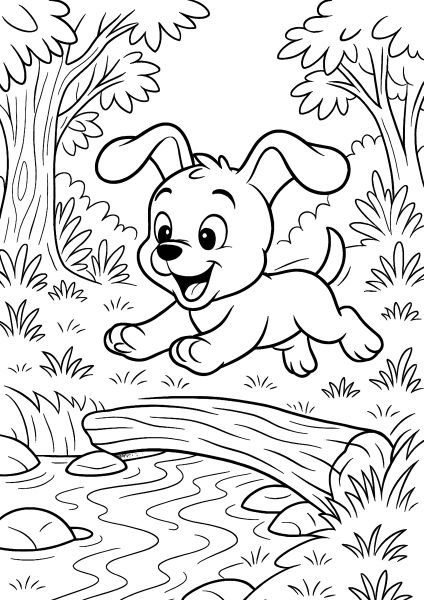
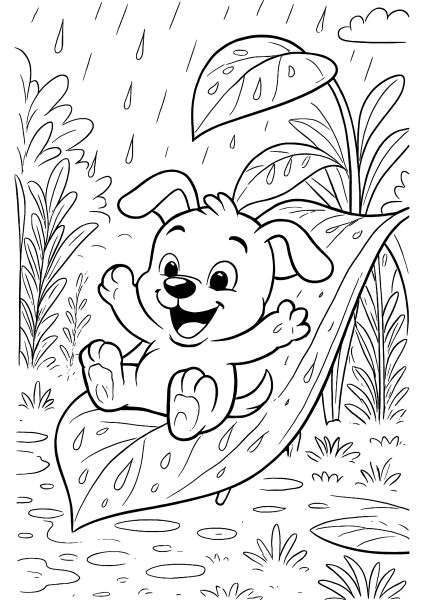
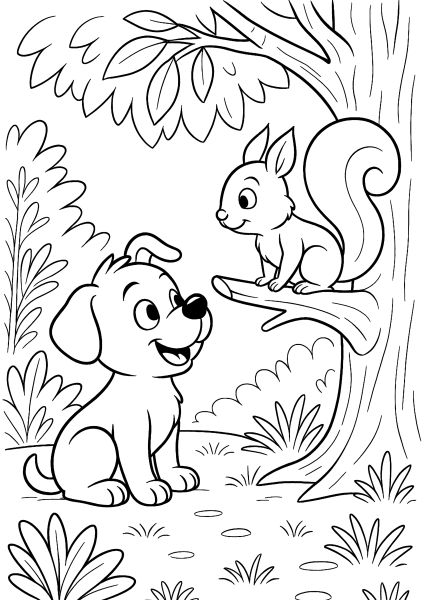
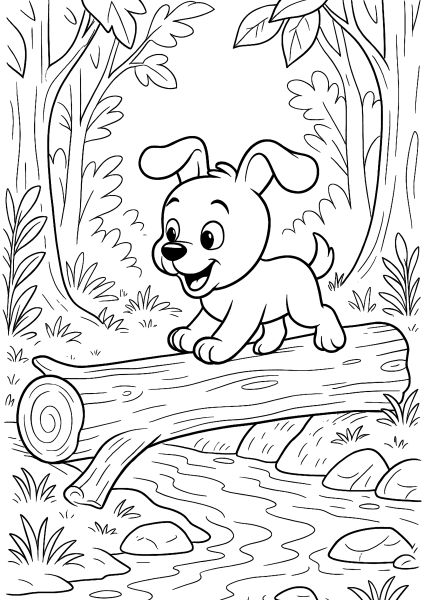
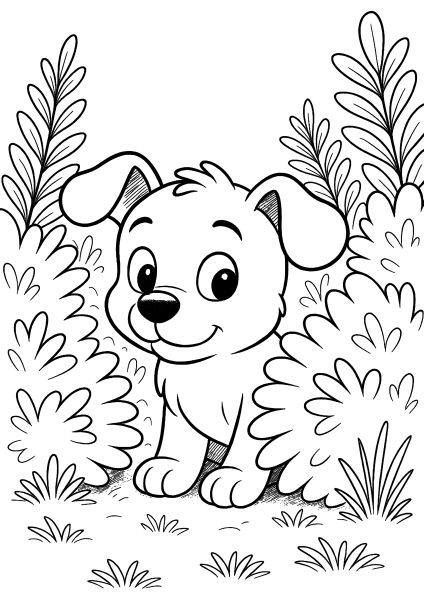
This page features my collection of free printable cartoon dog coloring pages, ranging from goofy pups to more stylized illustrations. I’ve made these available as high-resolution A4 PDFs, keeping the lines crisp and easy to follow for kids and teens.
Each character has its own personality, offering a mix of simple outlines and more detailed backgrounds to work with. Below, you can find colored examples and two step-by-step tutorials for markers and pencils to help with different techniques. You’re welcome to explore the set.
🎨 Coloring Tips & Inspiration
When you look at fully colored cartoon drawings, it can feel like achieving the same result is difficult. But that feeling is misleading. Even if you simply fill in the dog neatly without shadows or complex blending, the result will already look bright and pleasing.
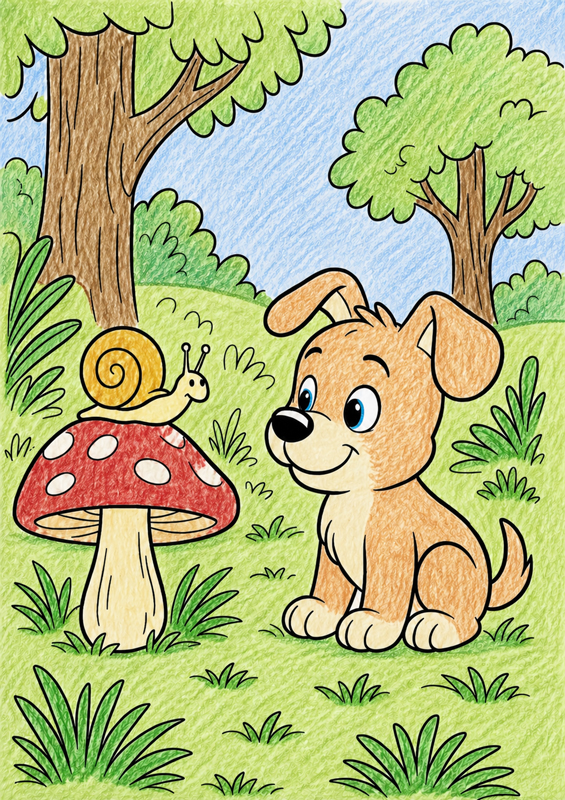
Below are a few colored examples from the cartoon dog coloring pages collection. Use them as inspiration, not as something to compare yourself to. Click on any image to enlarge and explore the details up close. Scroll down, there is a step-by-step tutorial below.
🐶 Coloring a Cute Puppy Step by Step
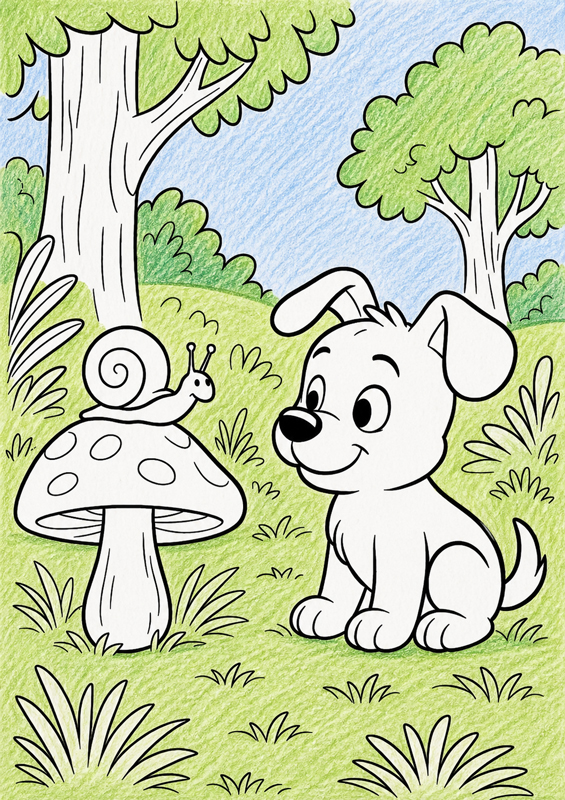
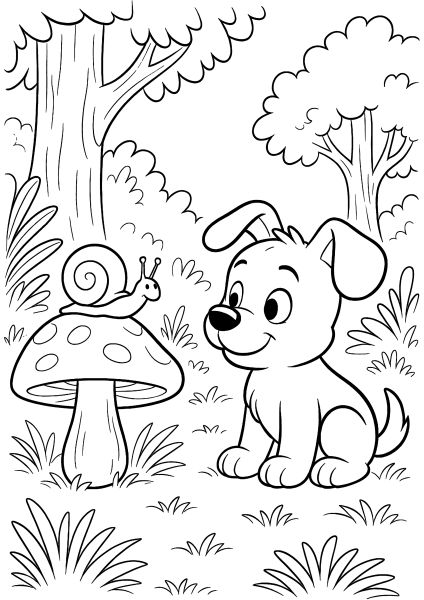
This little scene might look detailed at first, but once you begin, it’s actually very easy to follow.
We’ll start with the background, then move to the puppy, and slowly fill in all the small details. After that, we’ll add a bit of depth to bring everything together.
Just take it one step at a time, keep your strokes light, and enjoy the process. You’ll see the whole picture come to life little by little.
🌤️ Step 1 — Start with the Background
Let’s start with the big, open areas.
Take a light blue pencil and slowly fill in the sky. Then switch to soft greens and go over the distant hills, bushes, and the tops of the trees.
Don’t rush — just move from one area to the next. Keep your hand light so the color stays soft and a little textured.
As you go around the tree shapes, follow the outlines so the sky and leaves stay nicely separated.
For now, just focus on the background and leave the puppy and all the small details as they are.
🐶 Step 2 — Color the Puppy
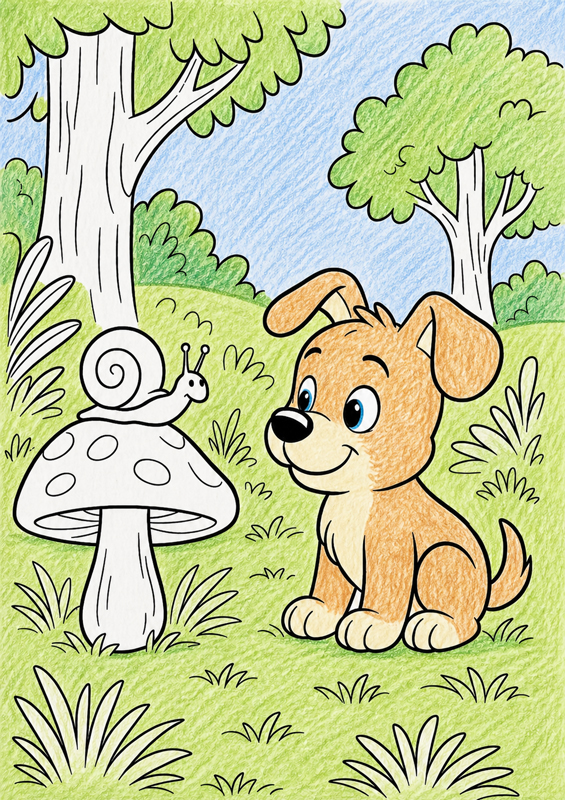
Now let’s bring the puppy to life.
Take a light brown or soft peach and gently fill in the fur — the head, ears, body, and paws.
Use a lighter cream color for the belly and the face to keep it soft. For the eyes, add a bit of color to the iris — blue or warm amber both look nice.
Keep your strokes light and visible, don’t try to smooth them out. It’s okay if it looks simple for now — we’ll add more later.
Leave the background, the mushroom, the snail, and all the plants just as they are.
🍄 Step 3 — Color the Small Details
Now let’s finish the little things around the puppy.
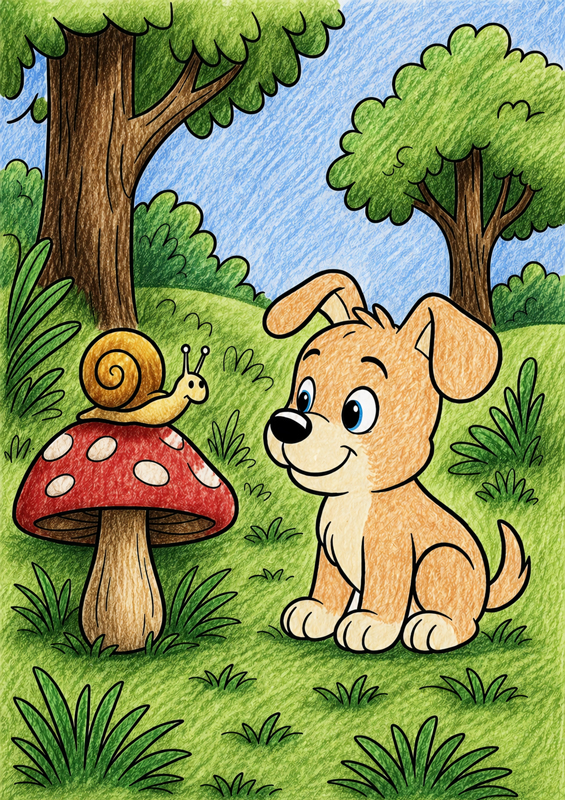
Use brown for the tree trunks and a medium green for the grass in the front. Then color the mushroom — red or brown for the cap, and beige for the stem.
For the snail, use ochre or warm brown on the shell and a light yellow for the body.
Take your time with these small areas. Let the pencil strokes show a little, so everything still feels hand-colored.
Leave the puppy and the background just as they are.
🌿 Step 4 — Add Depth to the Surroundings
Now let’s give the background a bit more life and depth.
Take darker versions of the colors you already used and start adding shadows in a few places — on the tree tops and trunks, in the grass, and under the mushroom cap.
Add a bit more color on the snail too — on the shell and along the body — and lightly darken the folds of the hills.
Press a little harder this time and let the strokes stay visible and slightly rough. That’s what creates the sense of volume.
Leave the puppy just as it is.
🐶 Step 5 — Add Shadows to the Puppy
Now let’s make the puppy stand out more.
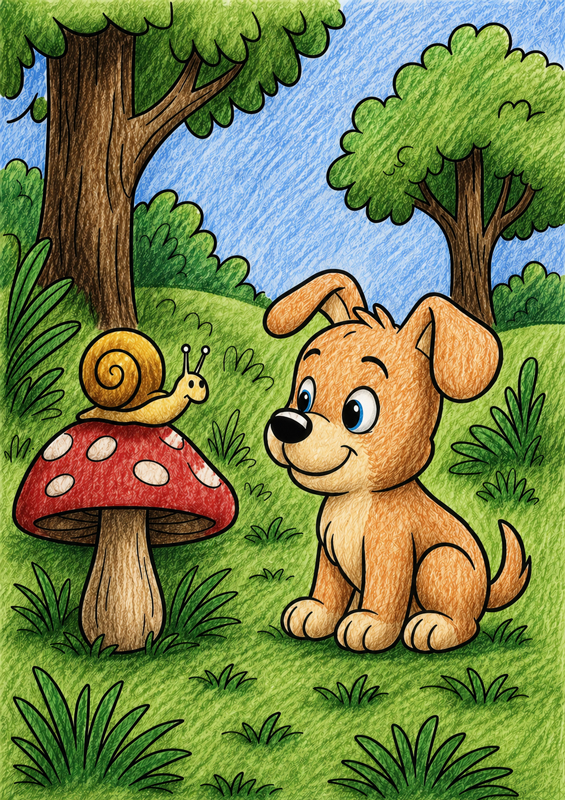
Take a dark brown pencil and add stronger strokes in the shadow areas — under the chin, behind the ears, under the belly, and near the lower parts of the paws.
Add a little darker color around the eyes too, but keep it careful so the face still looks sweet.
Press a bit harder this time and build the color with short strokes. Don’t blend it smooth — the visible pencil marks will help the puppy look more textured and real.
Leave the background just as it is.
Understanding the Visual Language of the Theme
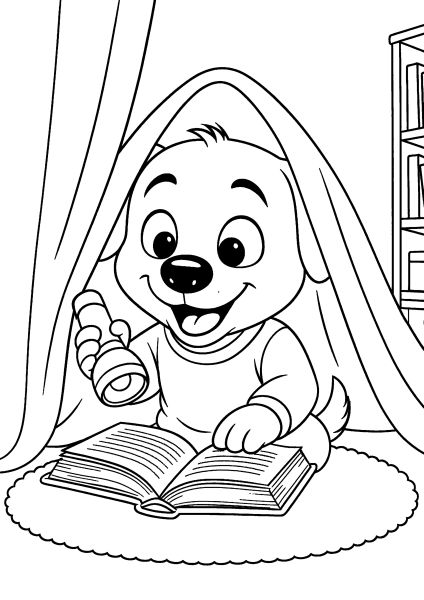
The visual structure combines simplified character design with moderately detailed environments. The Cartoon Dog Coloring Page is built from rounded shapes, soft curves, and expressive facial features. Large eyes, slightly oversized paws, and smooth contour lines reinforce the friendly cartoon identity.
In contrast, the surroundings introduce structured elements: furniture, bookshelves, trees, flowers, small decorative objects, and indoor details. These elements are outlined clearly but remain uncluttered. Repetition appears in grass strokes, wood planks, book spines, and brick or floor patterns, creating rhythm without overwhelming the page.
The character remains the focal point in every composition. Background details frame the puppy rather than compete with it, leaving enough open areas to support comfortable coloring.
Coloring Techniques / Approach for This Theme
Because these scenes combine a central character with environmental details, the coloring approach should preserve clarity while adding gentle depth. Two effective methods for this theme are structured color blocking and controlled texture layering.
Structured color blocking means assigning distinct, even tones to major areas first — fur, clothing elements, furniture, grass, walls — before adding small accent colors. This keeps the scene readable and prevents visual confusion.
Controlled texture layering introduces light pencil strokes applied in the direction of form. This technique adds warmth to fur, wood, or grass while maintaining the cartoon style.
These approaches support:
- clear separation between character and setting
- balanced scene composition
- visual warmth without realism overload

Color Blocking with Soft Accents
This example demonstrates clean, flat color application across both the puppy and the environment. The fur is filled evenly, and surrounding elements such as grass, furniture, or small decorative objects are colored in consistent tones. Accent colors are used sparingly for items like toys, books, or flowers, helping the character remain the visual anchor of the scene. The result feels bright, structured, and easy to read, reinforcing the storybook quality of the illustration.

Light Textured Coloring
In this version, visible pencil strokes add softness and depth. The puppy’s fur is built with gentle directional lines that follow body contours, giving subtle dimension. Grass and foliage use short layered strokes, while wooden furniture or outdoor logs show gradual tonal buildup. The background is lightly shaded rather than left completely flat, which adds atmosphere while preserving the simplified cartoon identity. Texture enhances the scene without shifting it into realism.
Artistic Composition and Detail Balance
Each page is organized around a central character surrounded by contextual elements. Indoor scenes often use vertical lines from furniture or walls to frame the puppy, while outdoor scenes rely on trees and landscape curves to guide the eye inward.
Negative space is carefully distributed. Larger open areas — such as floors, walls, sky, or fur surfaces — provide breathing room between smaller details like books, plants, or toys. This balance keeps the illustrations engaging but not visually overwhelming.
Practical Application: How to Use
These cartoon dog coloring pages work well for:
- themed activity sessions about daily routines
- classroom discussions about reading, creativity, or friendship
- step-by-step coloring practice combining character and background
Because each page presents a different everyday situation, they can be used individually or as a small narrative sequence.
Target Audience: Who These Pages Are Best For
This collection is particularly suitable for:
- children who enjoy gentle story-based illustrations
- early elementary students practicing controlled coloring
- beginners learning to balance character and background colors
The structure is approachable while still offering enough detail to keep older children engaged.
Technical Standards and Download Information
All cartoon dog coloring pages are provided as free printable PDF files. Each page includes:
- clean black contour outlines
- high-resolution line art
- standard A4 and US Letter formats
Files are optimized for home printing on regular paper and work well with colored pencils or crayons. Download, print, and color at your own pace.
🐶 Explore More Dog & Animal Pages
If you enjoy these fun and expressive dog illustrations, you can also explore a more detailed approach in our Realistic Dog Coloring Pages, where each drawing focuses on natural poses and textures. For more variety, take a look at our Cartoon Cat Coloring Pages and Realistic Cat Coloring Pages, which offer both playful and lifelike feline styles.
If you’re looking for simpler designs with bold outlines, you might also enjoy our Simple Animal Coloring Pages for Toddlers, perfect for younger kids or quick, relaxing coloring sessions.

Realistic Dog Coloring Pages
Realistic dog coloring pages focus on lifelike proportions, natural movement, and accurate canine anatomy. The illustrations emphasize posture, balance, and subtle expression, creating scenes that feel calm and observational rather than stylized. These pages appeal to those who enjoy detailed, focused coloring and a naturalistic approach to animal illustration. The realistic style highlights form, texture, and quiet moments, offering a grounded and immersive coloring experience.

Cartoon Cat Coloring Pages
Cartoon cat coloring pages focus on playful, stylized feline characters with simplified shapes and expressive features. The illustrations emphasize clear silhouettes, rounded forms, and exaggerated expressions that make each scene easy to read and visually engaging. These pages appeal to those who enjoy lighthearted animal scenes and imaginative character design. The cartoon style keeps the mood friendly and accessible, supporting relaxed coloring while highlighting personality over realism.

Simple Animal Coloring Pages for Toddlers
These pages feature friendly animal characters drawn with large shapes and minimal detail. Expressions and forms are kept clear, making each animal easy to recognize and visually engaging. They support early interaction with familiar subjects and encourage free, relaxed coloring without the need to stay within small or complex areas.

