Triceratops Coloring Pages

🌿 Triceratops Coloring Pages

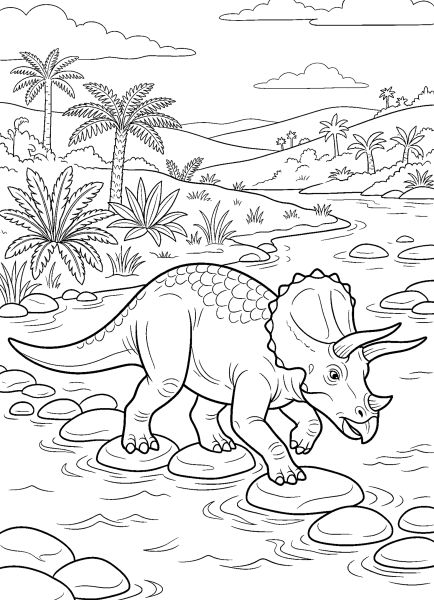
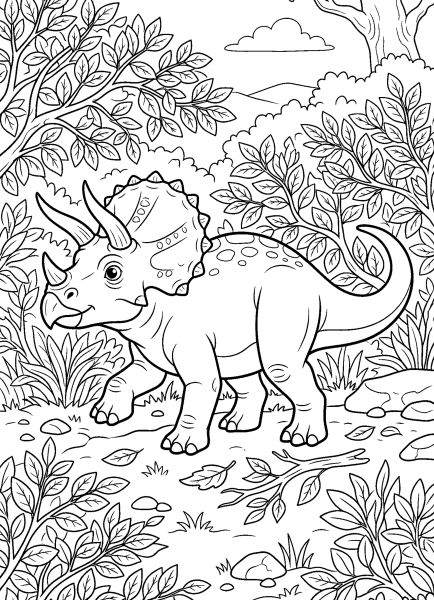
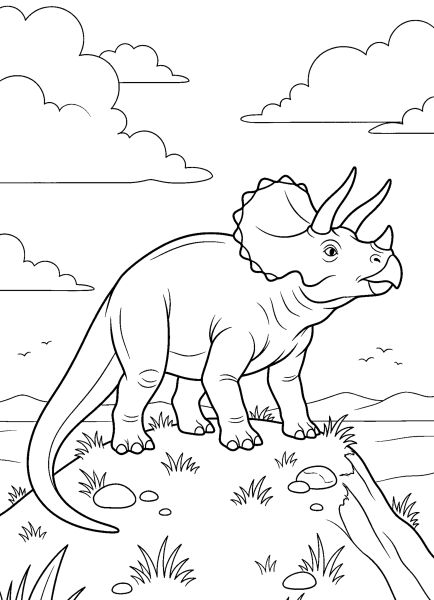
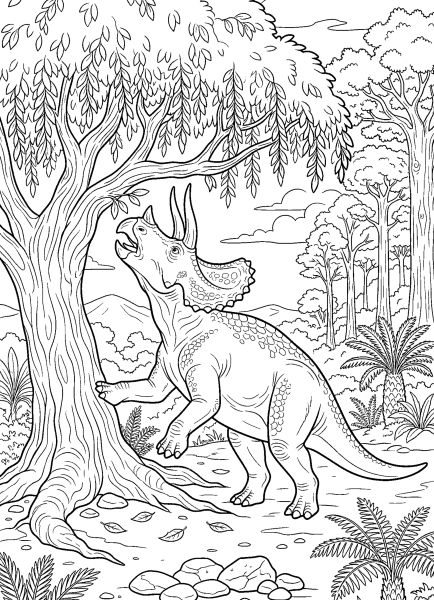
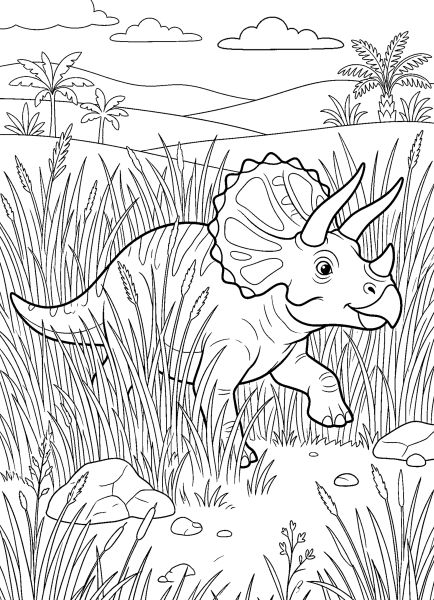
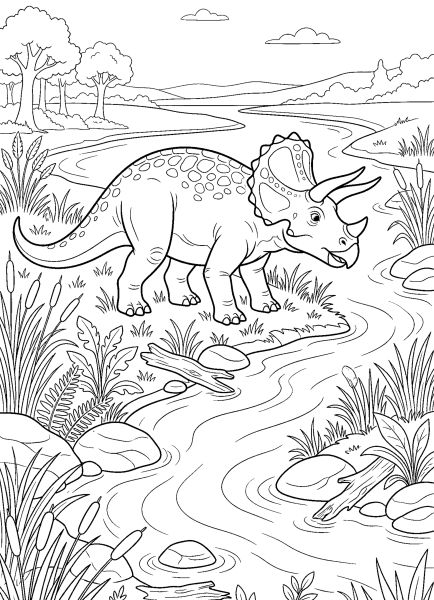
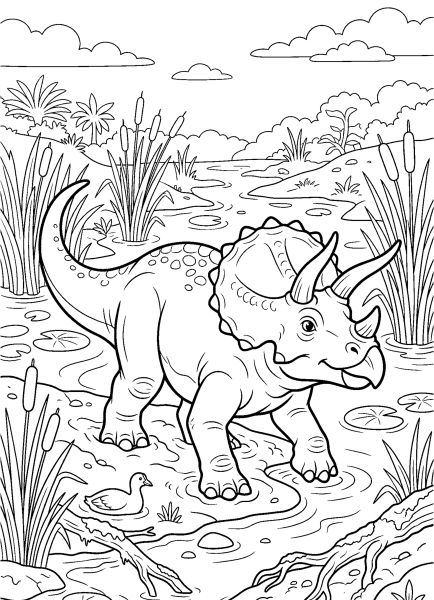
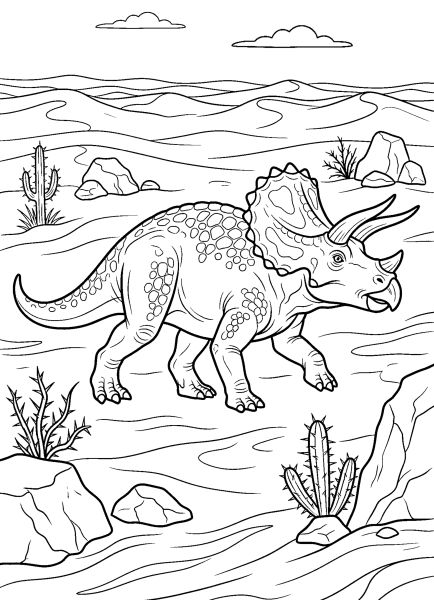
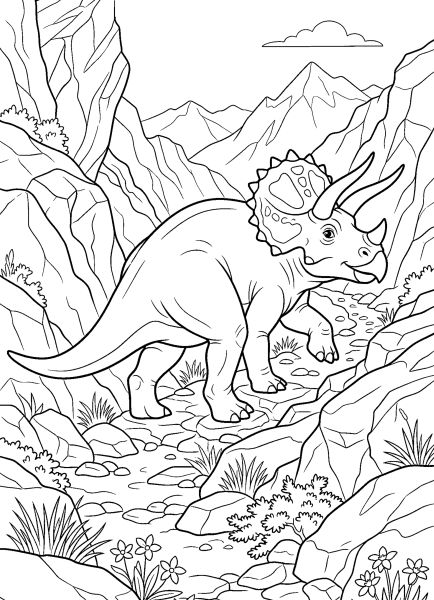
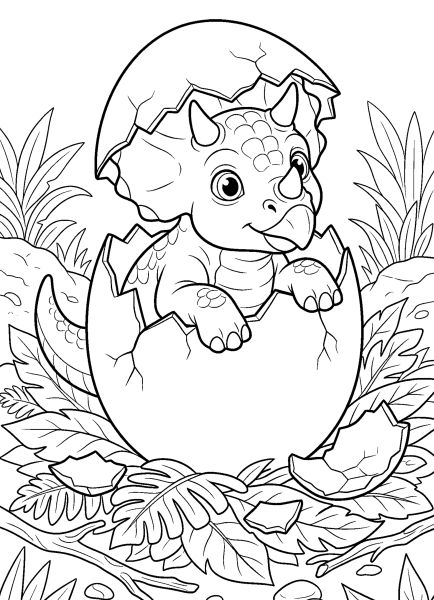
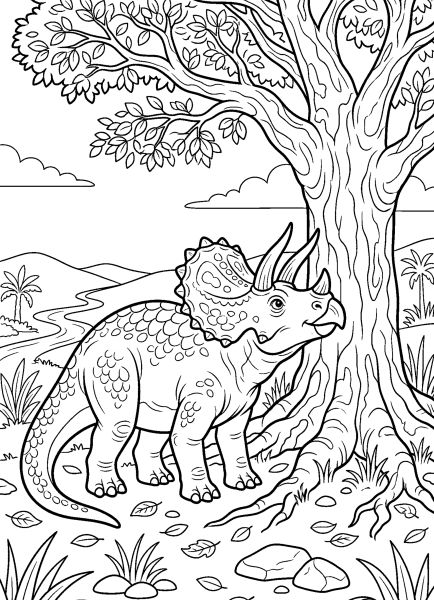
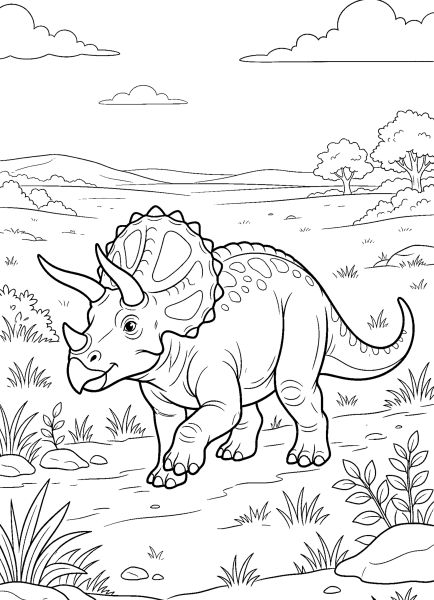
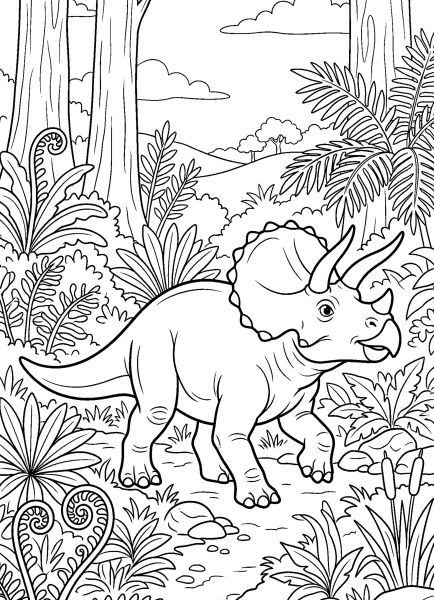
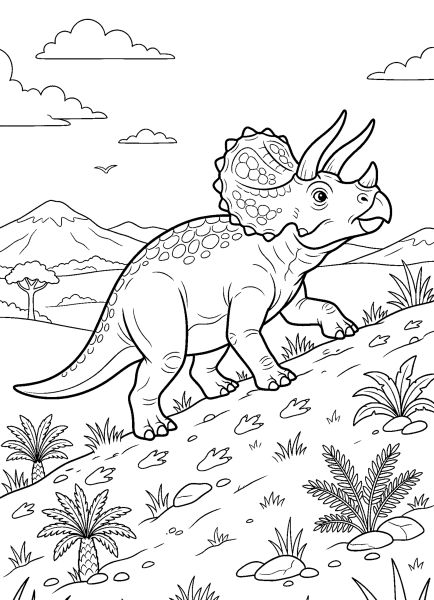
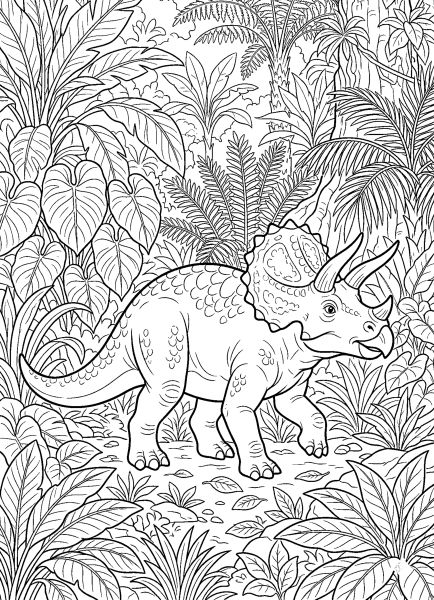
I’ve put together a selection of free printable Triceratops coloring pages set in simple prehistoric scenes with clear, easy-to-follow linework. These A4 PDF designs are suitable for kids who enjoy recognizable dinosaur shapes and structured compositions.

The pages range from basic outlines to slightly more detailed scenes, giving space to practice coloring large areas and adding simple shadows. Below, you’ll find colored examples and two step-by-step tutorials for markers and pencils to help guide your coloring.

🎨 Coloring Tips & Inspiration

When you look at fully colored triceratops drawings, it can seem like achieving the same result is difficult. There are many details, shapes, and patterns. But that feeling is misleading. In reality, it is much easier than it seems, and even if you simply color the dinosaur neatly without shadows, the image will already look bright and complete.

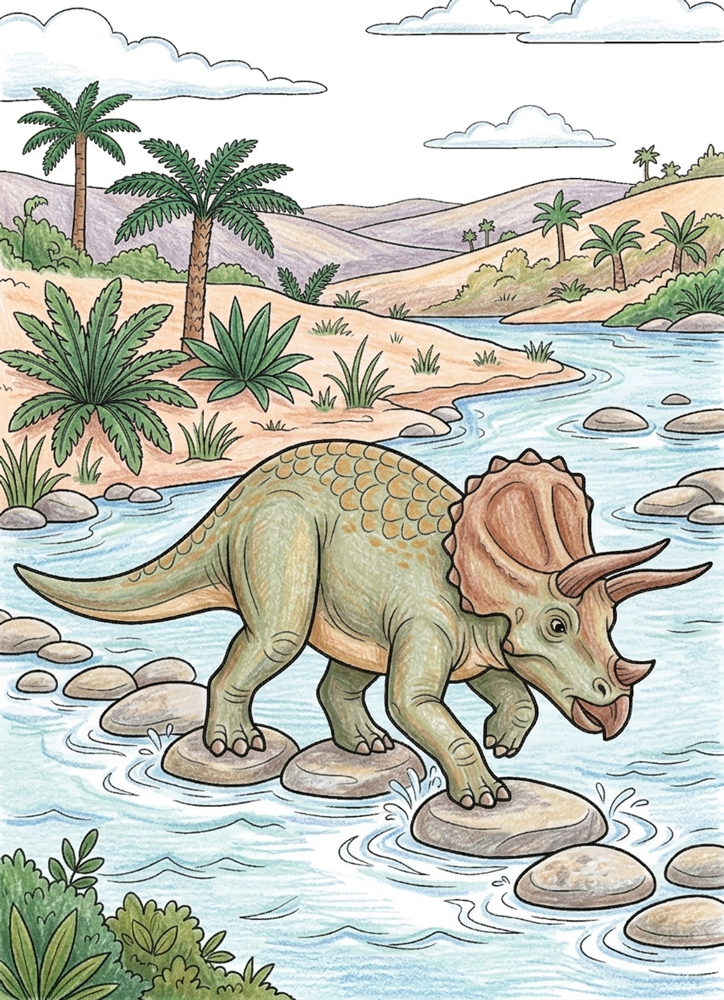
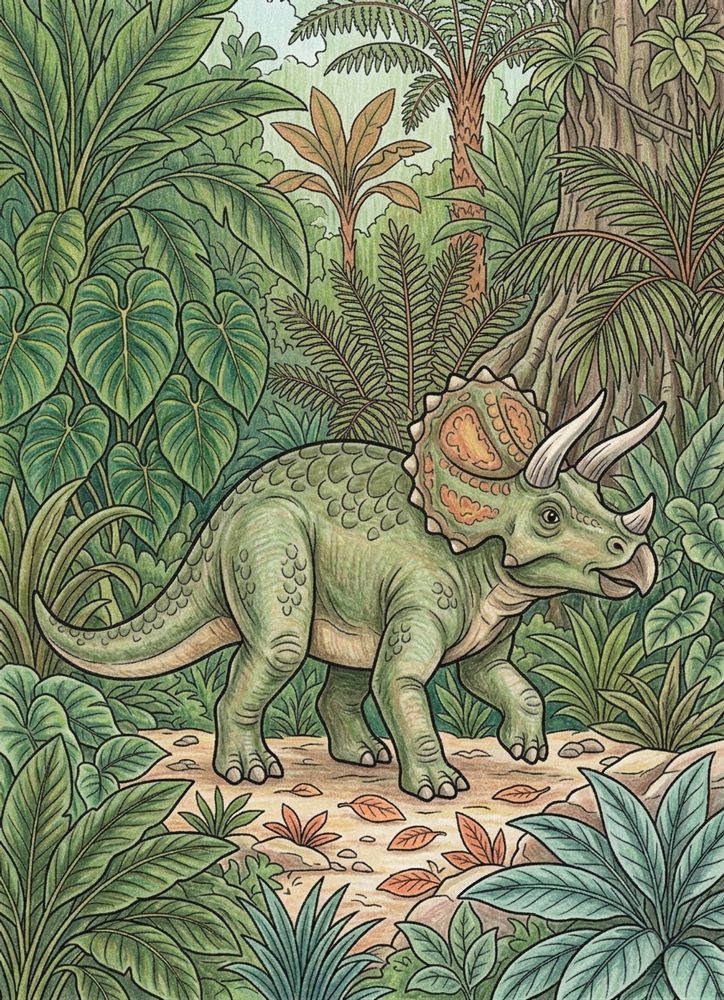
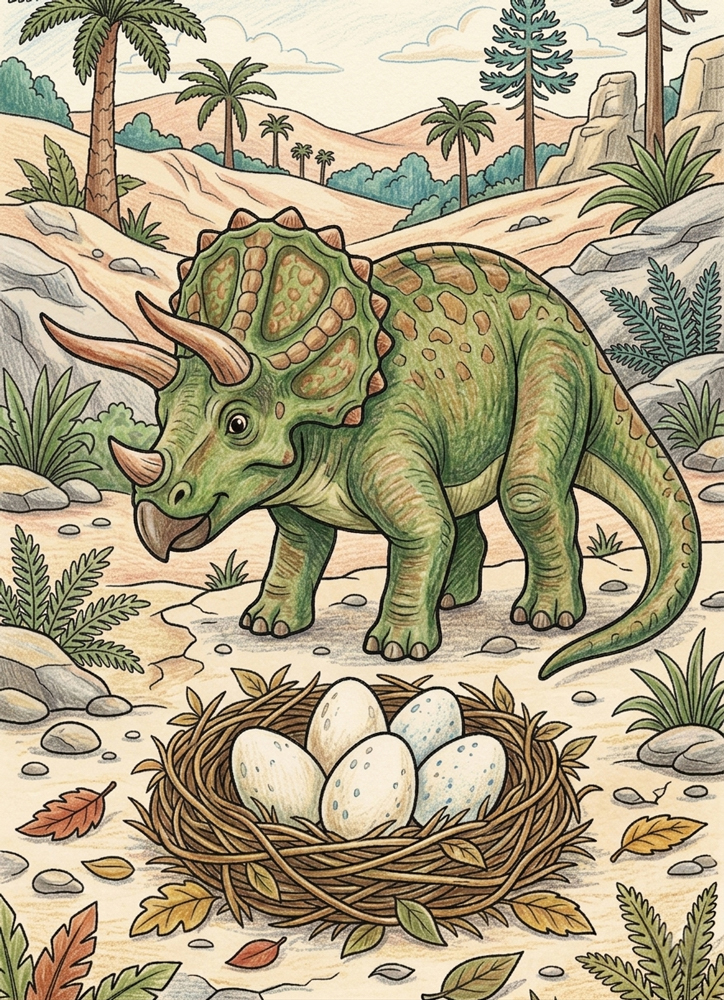
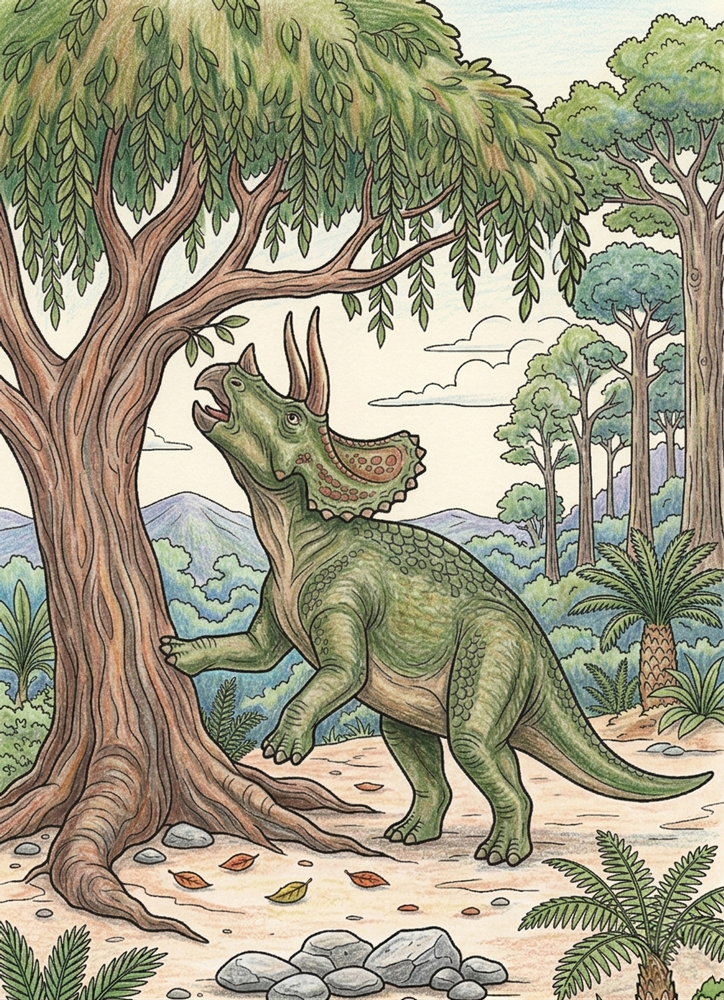
Below are a few colored examples from the triceratops coloring pages collection. Use them as inspiration, not as something to compare yourself to. Click on any image to enlarge and explore the details up close. Scroll down, there is a step-by-step tutorial below.

Understanding the Visual Language of the Theme

The Triceratops illustrations are built around rounded body shapes and softened details. The horns are clearly defined but not sharp or threatening. The facial expressions are neutral or slightly cheerful, reinforcing a non-scary tone.

The large frill behind the head creates a strong visual focal point while also offering broad, easy-to-color surfaces. The body is proportioned to feel sturdy but gentle, making the dinosaur appear calm rather than aggressive.

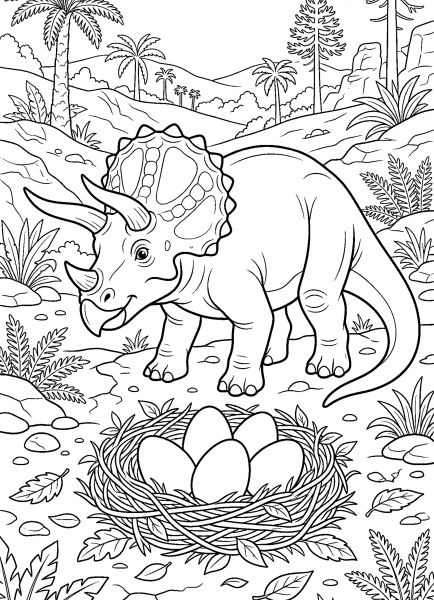
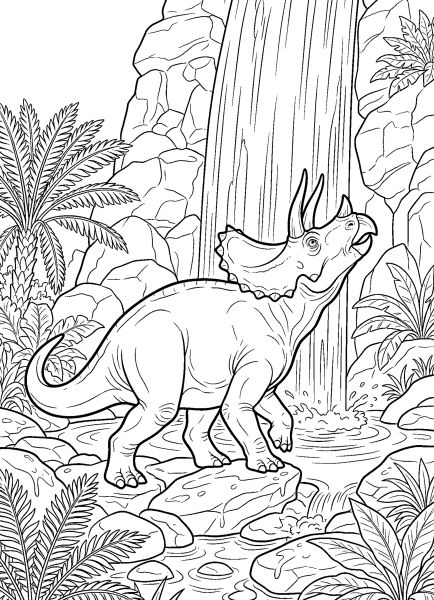
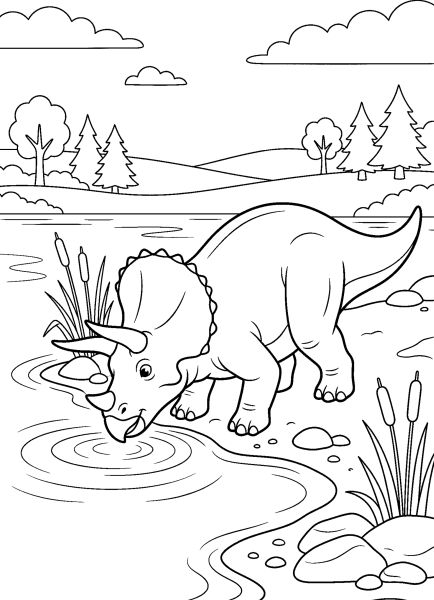
Background elements such as rocks, trees, rivers, nests, and plants are detailed yet balanced. They frame the dinosaur without overwhelming the page. The overall density of the illustration is carefully controlled to remain age-appropriate and manageable for younger children.

Coloring Techniques / Approach for This Theme

Step 1. Base: Even Layer and Light Zones

Choose the main color for the Triceratops and apply the lightest shade evenly across the entire body. From the beginning, keep the upper areas lighter:

• top of the head
• forehead
• upper frill
• back
• upper tail

On the face and frill, leave raised areas slightly lighter. These will become natural highlights and help the skin appear dense and dimensional rather than flat.

Step 2. Volume: Soft Shadows Like a Rhinoceros

Take a shade that is 1–2 tones darker and add shadows only where the form curves inward or carries visual weight:

• under the lower jaw
• beneath the throat
• under the belly
• inside leg bends
• at the base of the frill
• where the frill connects to the head

Keep the shadows broad and soft without sharp edges. A Triceratops has thick, smooth-looking skin rather than sharp, scaly texture.

Step 3. Texture: Folds and Leathery Surface

Add a subtle skin effect very sparingly. In fold areas such as the neck, the base of the legs, and near the belly, draw a few short curved lines and soft strokes using the mid-tone, following the direction of the body.

On the frill, introduce light grain by placing a few scattered dots or short strokes near the edges and in shadowed areas, keeping the center of the frill smoother.

Use the darkest tone only in the deepest points, such as under the jaw and inside a couple of folds, so the drawing does not become heavy or muddy.

Tip: Triceratops looks stronger and more realistic with broad, calm transitions and a few well-placed folds rather than small spots covering the entire body.

Example Coloring

Triceratops 001

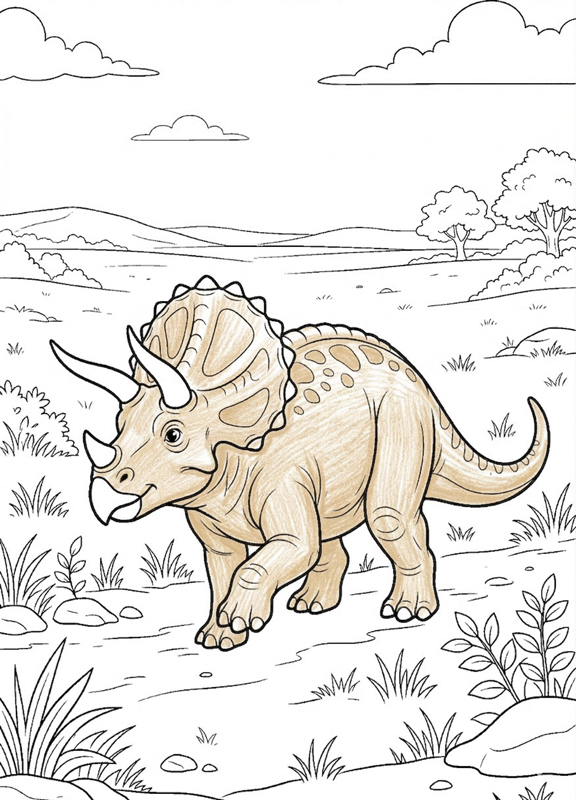
Step 1. Skin: One Light Base Layer

Choose the lightest shade of your selected color and apply it evenly across the entire body of the Triceratops using soft pressure. Do not darken anything at this stage. On raised areas such as the top of the head, the upper part of the frill, the back, and the top of the tail, press more lightly or leave small areas almost white. These will serve as highlights and help the skin look solid and dimensional.
Triceratops 002

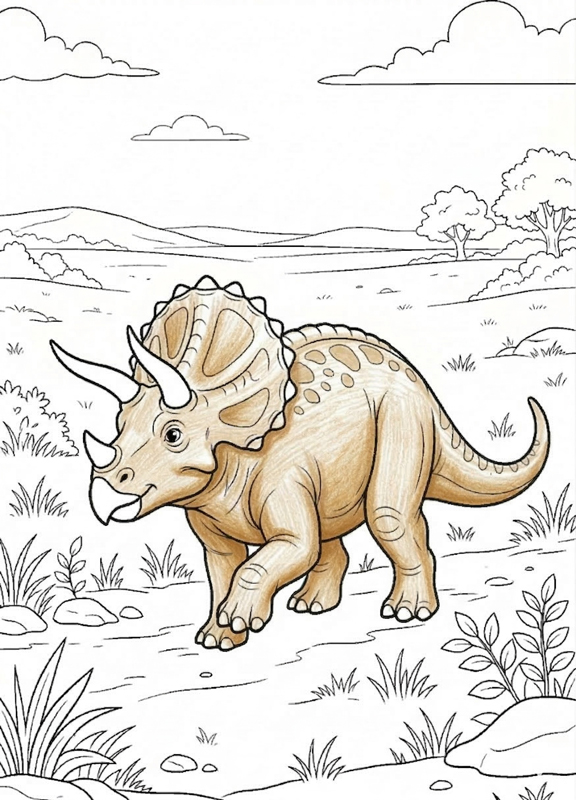
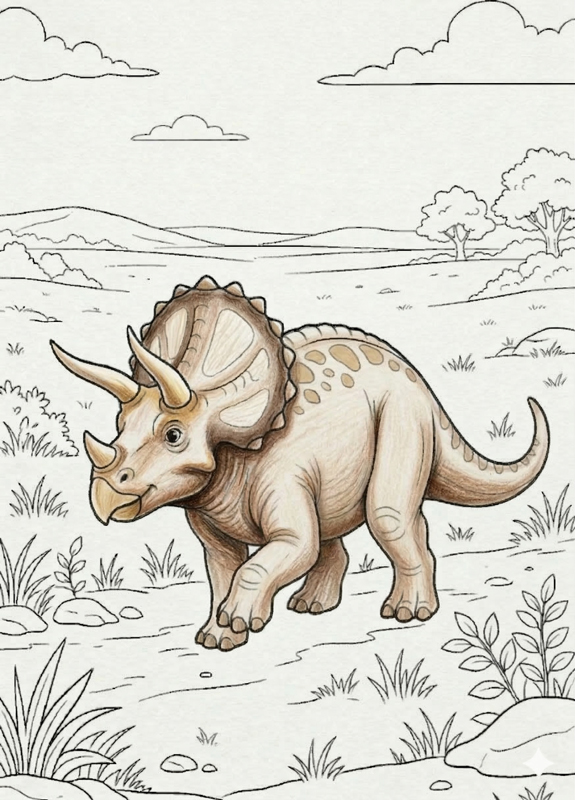
Step 2. Skin: Soft Shadows for a Leathery Texture

Take a shade 1–2 tones darker and add shadows only in recessed areas: under the lower jaw, beneath the neck, under the belly, inside leg bends, at the base of the frill, and where the frill connects to the head. Keep the shadows wide and soft without sharp lines. The goal is to create a thick, leathery feel rather than a sharp or scaly texture.
Triceratops 003

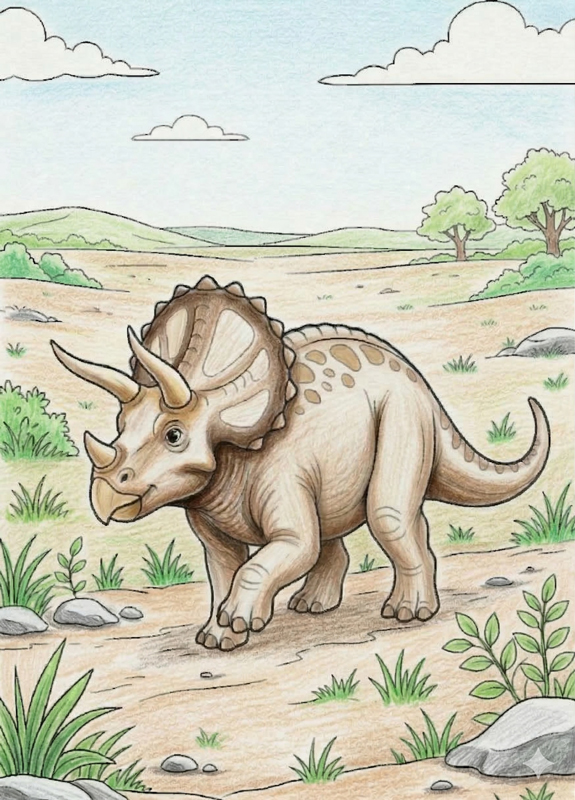
Step 3. Details: Folds, Horns, Beak, and Frill

Add a few short curved strokes in fold areas such as the neck, the base of the legs, and near the belly, following the natural curve of the body. Strengthen the deepest points carefully, such as under the jaw and in one or two folds. Color the horns and beak separately from the skin. Use a light beige or cream base layer, then add a slightly darker shade near the base and underneath to give them volume. Make the frill slightly more contrasting than the body. Darken gently along the edges and near the base, while keeping the center lighter for depth.
Triceratops 004

Step 4. Background: Ground, Rocks, Plants, and Sky

Color the ground in light brown or sandy tones. Rocks can be light gray with darker shading underneath. Use two greens for plants: lighter and softer for distant vegetation, slightly brighter for foreground leaves and grass. Leave the sky white or add a very light blue layer near the top. Keep the clouds white.
Triceratops 005

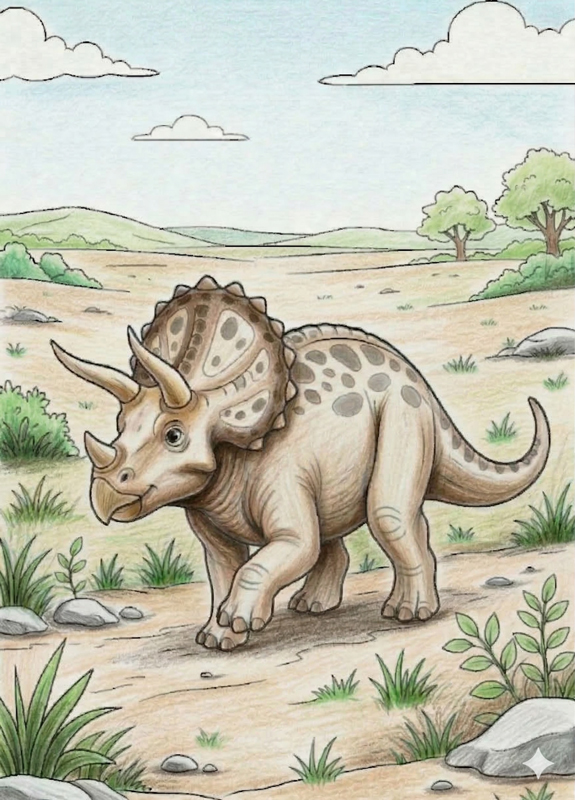
Step 5. Final Touches: Ground Shadow and Subtle Accents

Add a soft shadow under the Triceratops and beneath nearby rocks using light gray or gray-brown to anchor the dinosaur visually. Slightly darken the grass near bushes and around the feet. If you add a pattern, keep it simple and large, such as a couple of broad stripes or soft spots along the back. The skin should remain leathery and calm rather than busy or overly patterned. Leave the sky white or apply a very light blue layer only at the top. Keep the clouds white.

Enjoying these free coloring pages?
Your support helps keep this free printable library growing.
The support amount starts at $3, but you can change it before donating. You can also choose one-time or monthly support.
Need another payment option? Open the full Ko-fi page .

Artistic Composition and Detail Balance

The silhouette of Triceratops, especially the horned head and frill, serves as the main compositional anchor. The strong head shape naturally draws attention while the body and tail balance the page.

Foreground plants and environmental elements guide the eye toward the dinosaur rather than competing with it. The compositions leave enough open space around the sky and ground areas to create visual breathing room.

This structure helps children clearly understand what the main subject is and reduces visual overload, supporting focused coloring practice.

Practical Application: How to Use

Triceratops coloring pages can be used for:

• dinosaur-themed learning activities
• early science or prehistoric units
• quiet home coloring sessions
• printable classroom worksheets
• birthday party activity tables

They are especially useful when introducing children to herbivorous dinosaurs and discussing basic prehistoric environments in a simple, engaging way.

Target Audience: Who These Pages Are Best For

These Triceratops coloring pages are best suited for:

• children ages 5–7 who enjoy dinosaurs but prefer friendly illustrations
• early elementary students practicing careful coloring
• young artists building confidence with larger shapes and structured details
• families looking for calm, creative dinosaur activities

The designs are clear and structured, offering enough detail to stay interesting while remaining comfortable for small hands.

Technical Standards and Download Information

• Standard A4 vertical format
• Clean black linework on a white background
• High-resolution files for sharp printing
• Child-friendly proportions and expressions
• Suitable for crayons, colored pencils, and markers

Download your chosen Triceratops coloring page, print it on regular paper, and enjoy a gentle prehistoric coloring activity at home or in the classroom.

🌿 Journey Deeper into the Age of Dinosaurs

If you enjoyed detailing the iconic frill and horns of our Triceratops, your prehistoric adventure doesn’t have to end here. Continue your creative trek with the plated armor of our Stegosaurus or face the ultimate challenge with the Mighty T-Rex. You can explore all our ancient residents in the full Dinosaur Collection. For those who love legendary reptiles with a magical flare, don’t miss our Little Dragon Coloring Pages, where fantasy and history meet.

Let these prehistoric scenes guide your choice of colors—from natural jungle greens to bold, artistic patterns. Click on any image to enlarge and explore the prehistoric details up close.

T rex coloring pages with friendly dinosaur, baby hatching from egg, and prehistoric scenes

T. rex Coloring Pages

T. rex coloring pages present the iconic dinosaur in a friendly and approachable prehistoric setting. The illustrations emphasize clear silhouettes, balanced proportions, and expressive but non-intimidating poses. Instead of dramatic or aggressive scenes, the focus is on personality, movement, and simple environmental details that support the main figure. These pages highlight clean outlines and readable compositions, making the dinosaur easy to recognize and enjoyable to color. This subcategory supports confident coloring while inviting creative exploration of prehistoric landscapes in a calm and visually balanced style.

Stegosaurus coloring pages with plated dinosaur in jungle, river, and prehistoric landscape

Stegosaurus Coloring Pages

Stegosaurus coloring pages feature this recognizable plated dinosaur in calm and balanced prehistoric scenes. The illustrations emphasize the distinctive back plates, sturdy body shape, and gentle posture, creating a strong silhouette that remains clear and easy to follow. These pages highlight structure and pattern through the rhythmic repetition of plates and tail details, while keeping the overall composition visually approachable. This subcategory supports steady, confident coloring and appeals to those who enjoy classic dinosaur forms presented in a friendly and well-structured style.

Little dragon coloring pages with cute fantasy dragons and magical settings

Little Dragon Coloring Pages

Little dragon pages feature youthful, adventurous dragon characters placed in friendly fantasy settings. The designs emphasize curiosity and motion rather than power or scale. This subcategory supports imaginative storytelling and playful color experimentation while keeping forms clear and accessible.

pinit fg en rect red 28

Scroll to Top