Cute Kiosks Coloring Pages
🏪 Free Printable Cute Kiosks Coloring Pages
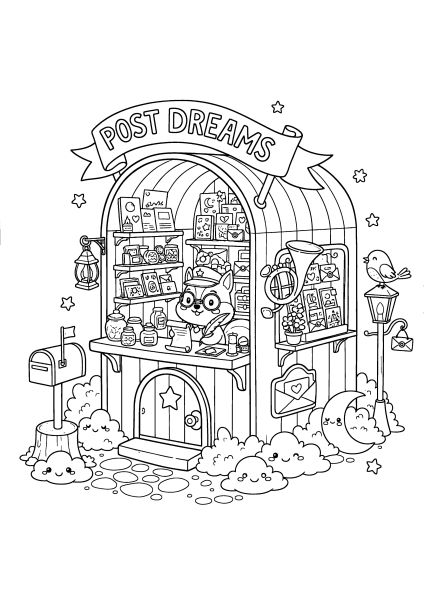
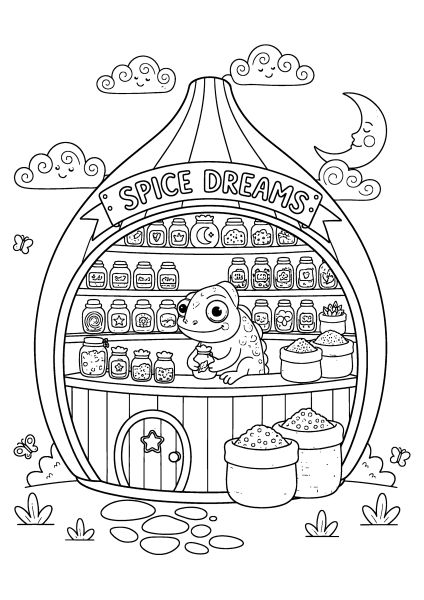
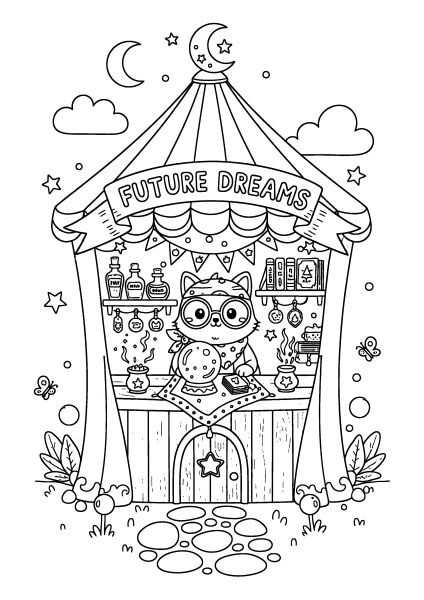
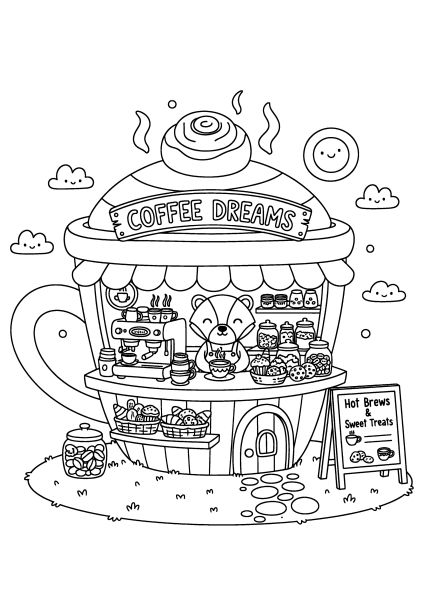
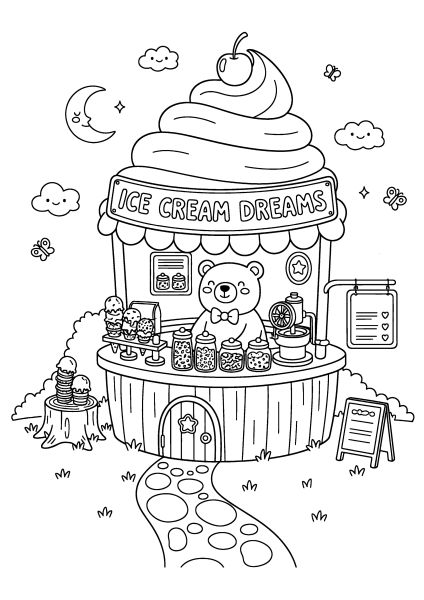
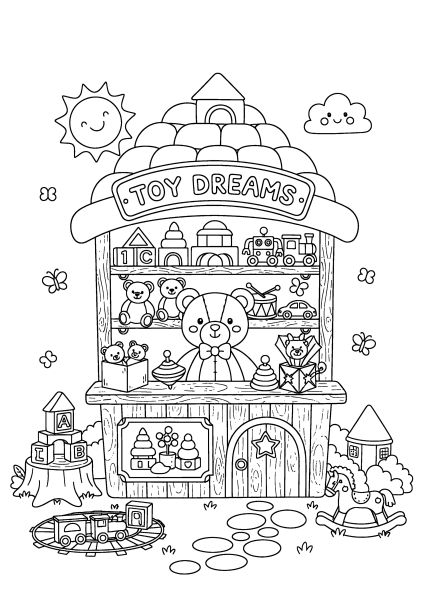
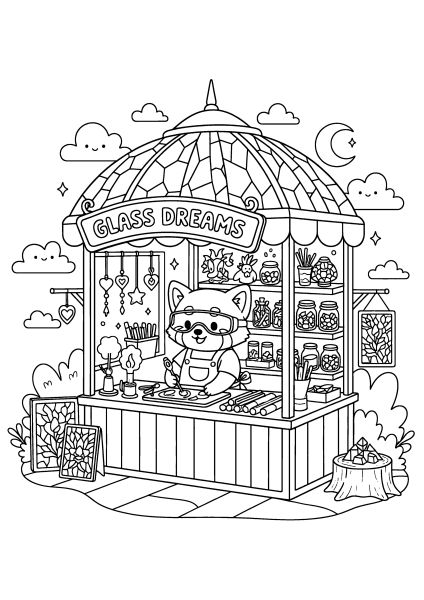
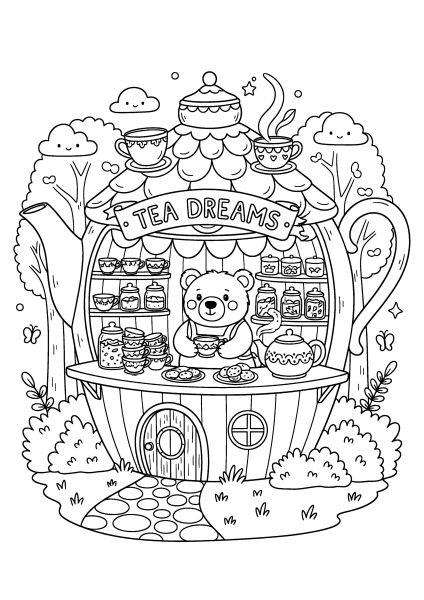
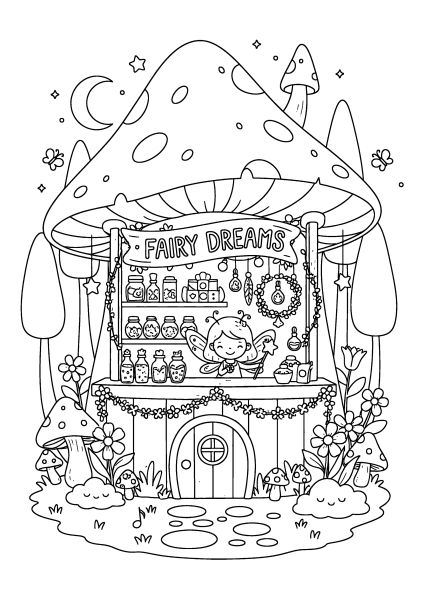
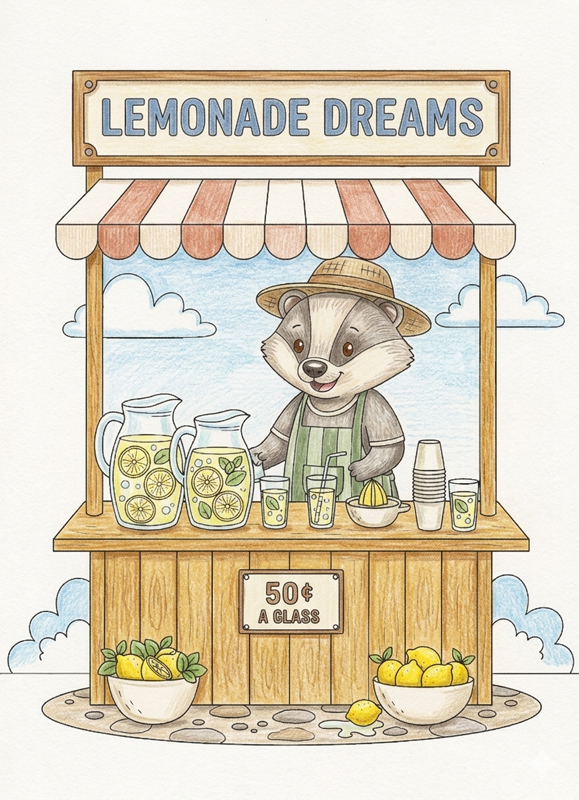
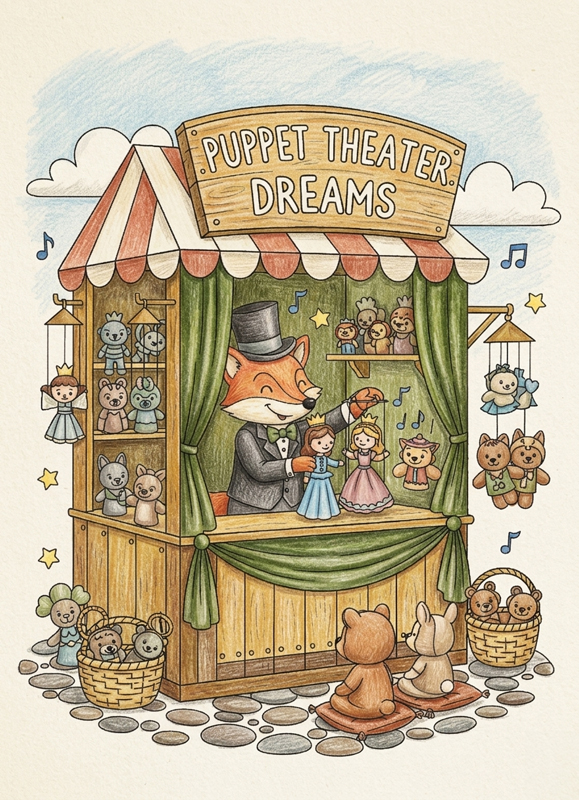
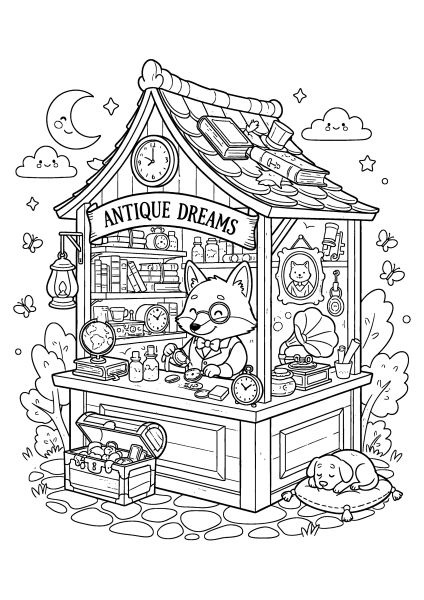
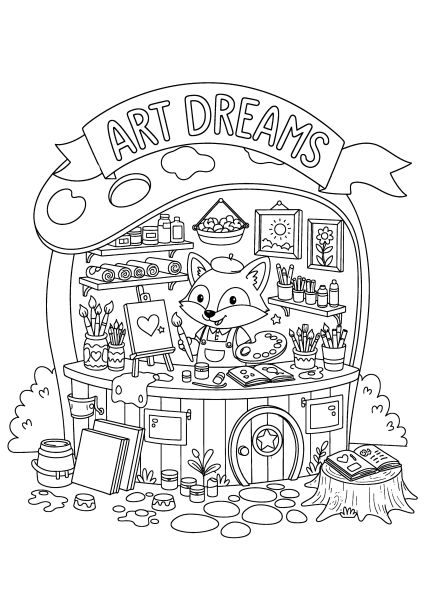
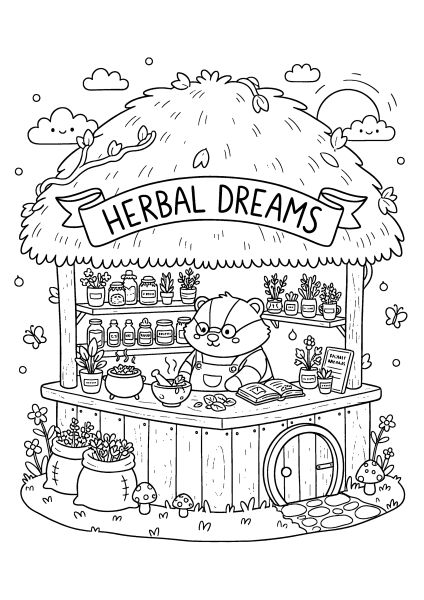
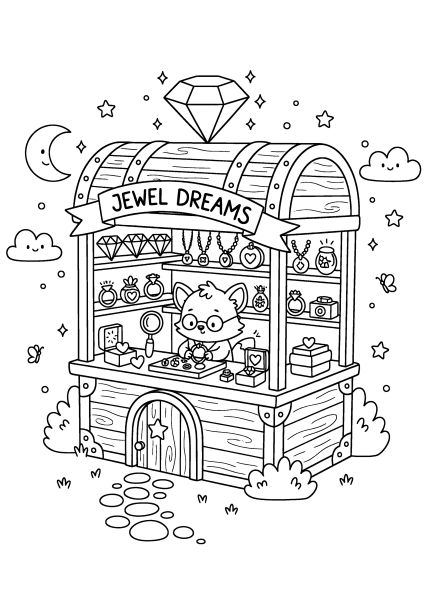
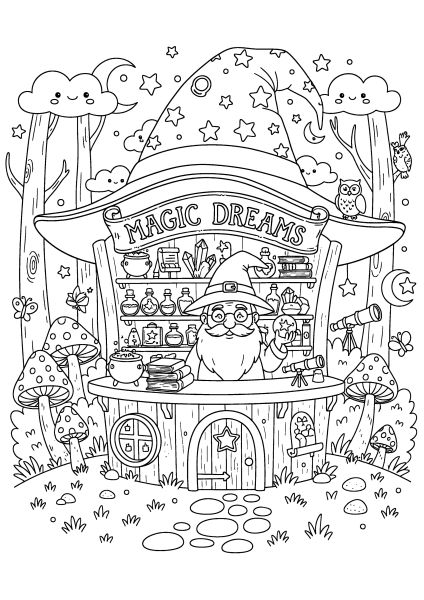
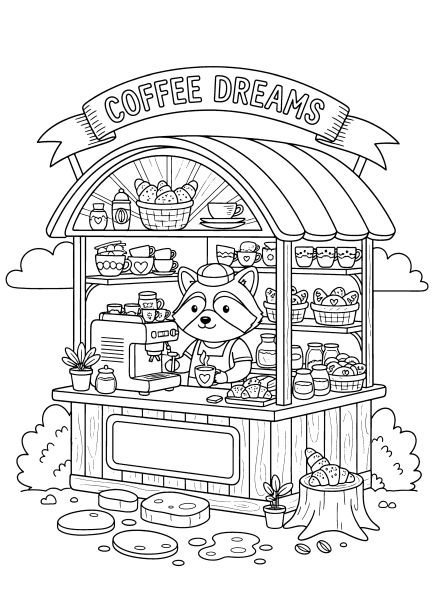
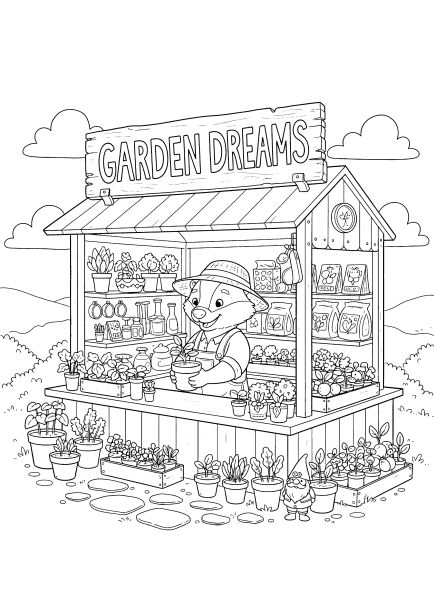
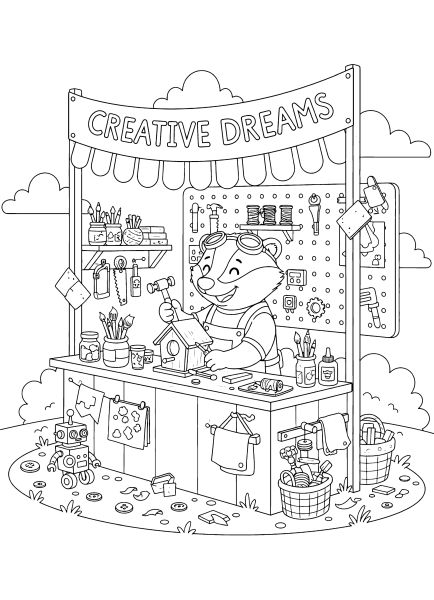
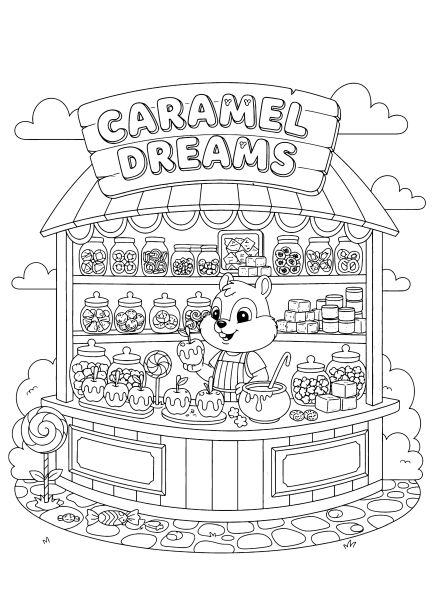
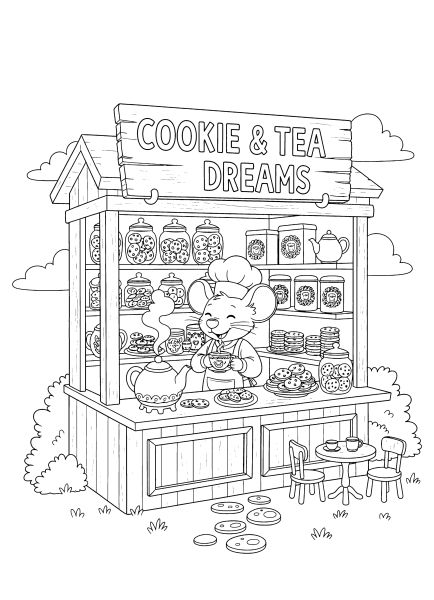
These free printable cute kiosks coloring pages feature tiny market stalls, whimsical food stands, and imaginative little shops run by cheerful animal characters. Each illustration is available as an individual A4 PDF. Unlike drawings of full-sized shops and houses, these pictures focus on compact counters, shelves filled with merchandise, decorative canopies, and playful shop signs. Some kiosks have familiar striped awnings, while others resemble giant teacups, mushrooms, or little fantasy houses. Their rounded shapes, expressive characters, and clearly defined details give the collection a friendly cartoon style.
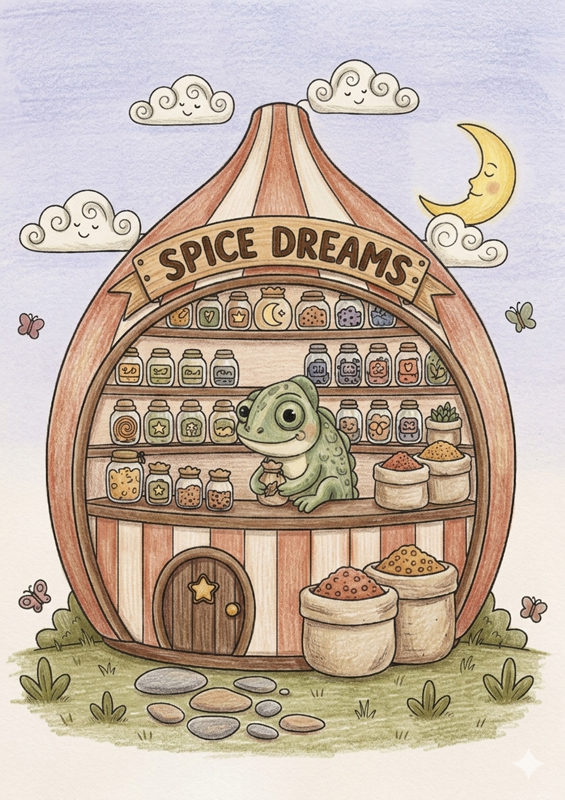
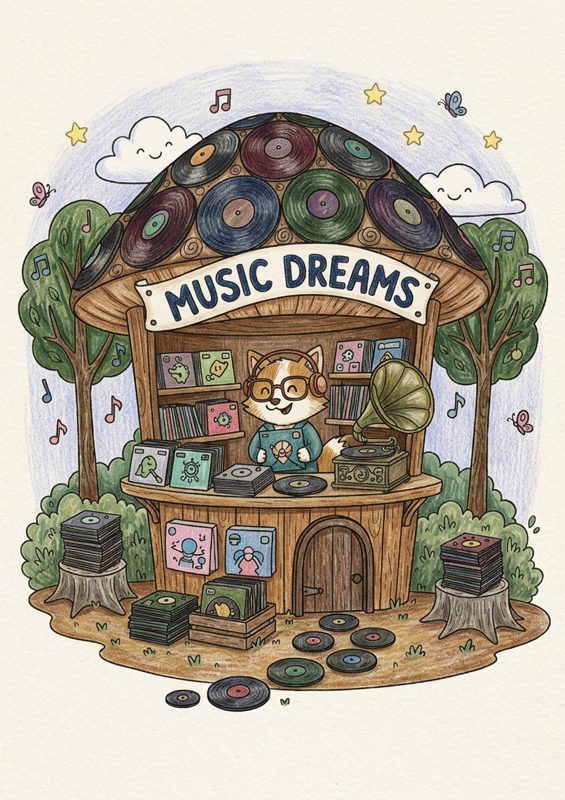
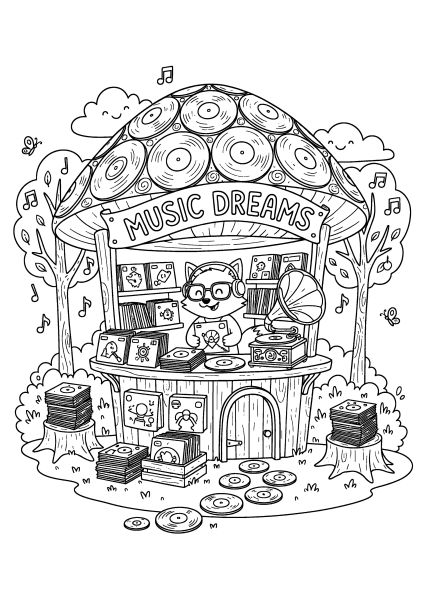
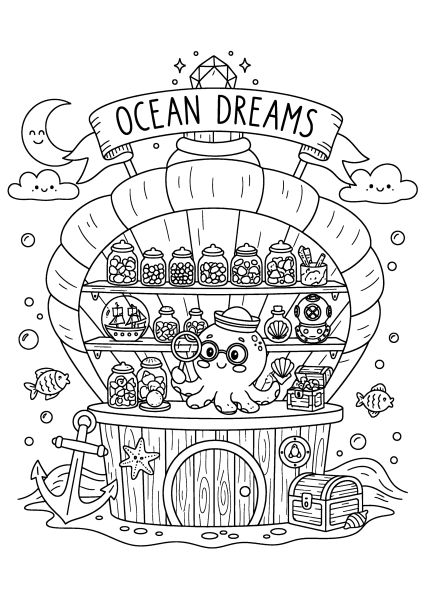
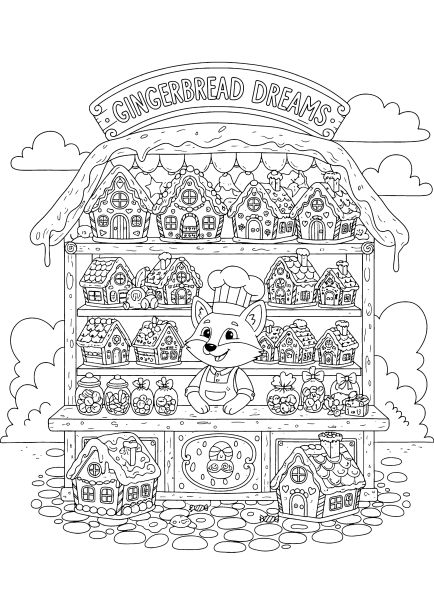
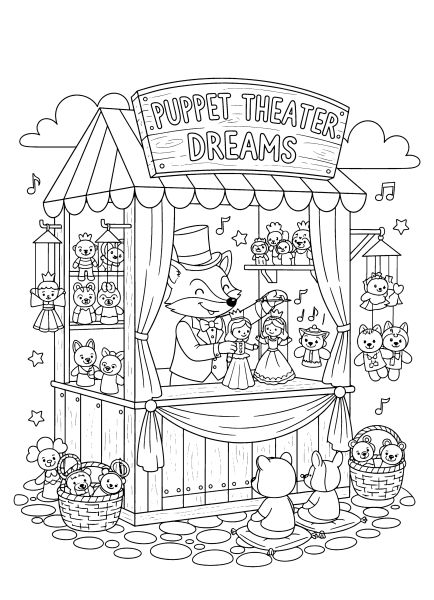
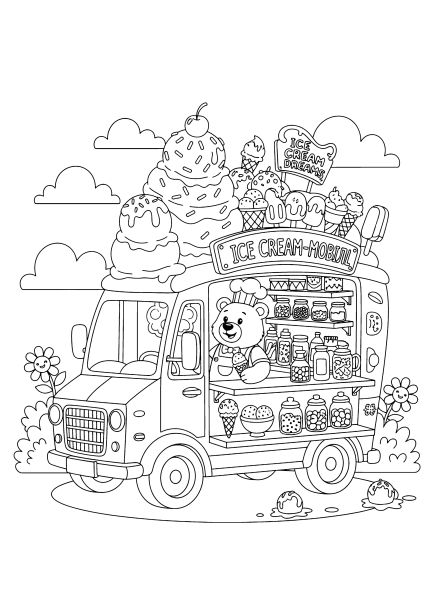
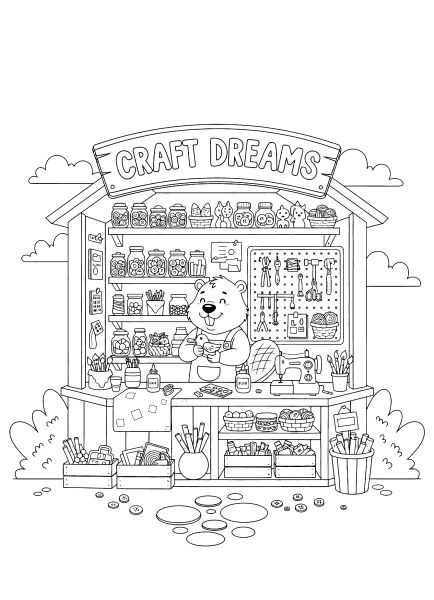
The kiosks offer much more than ordinary market scenes. Animal shopkeepers serve coffee, ice cream, cookies, and sweets, while others sell books, flowers, toys, spices, and handmade crafts. A miniature post office has shelves of letters and parcels, a mushroom-shaped fairy stall displays magical objects, and a tiny ocean shop takes the shape of a seashell. There are also music-themed booths, a puppet theater, a gingerbread stand, and an ice cream truck topped with oversized frozen treats. Each design combines a recognizable type of shop with imaginative architecture and small decorative details.
🎨 Color Ideas for Cute Shops and Market Stalls
The merchandise displayed at each kiosk provides a natural starting point for choosing colors. An ice cream stand might combine strawberry pink, vanilla cream, and mint green, while a coffee kiosk could use warm browns, caramel, and soft beige. Bright reds, yellows, and turquoise suit candy and toy stalls, especially when individual products are arranged in rows across the shelves. For flower shops, several shades of green can connect the plants and leaves, with pink, orange, or purple flowers adding contrast. Keeping the main structure in a limited palette allows the smaller objects to remain easy to distinguish.
The more unusual kiosks allow different combinations. A mushroom-shaped fairy shop could have a red or lavender roof above warm wooden walls, while an ocean stall might use turquoise, coral, and sandy yellow. Decorative signs and striped awnings can repeat colors from the products displayed below them. Small accents on lanterns, jars, ribbons, and the shopkeepers' clothing help establish each kiosk's character. These are suggested palettes rather than rules, and you can use your own favorite colors for every little shop. Click on any image to enlarge and explore the details up close.
❄️ Winter Coloring Made Simple
This page is all about slow, cozy coloring. You don’t need to plan anything ahead — just take your pencils and move step by step.
We’ll start with the main character, then gently add the rest of the scene around it. Each step is small and easy, so you can enjoy the process without feeling rushed.
Keep it light, keep it simple, and don’t worry about perfection — the charm is in the little imperfections.
🌊 Step 1 — Start with the Background
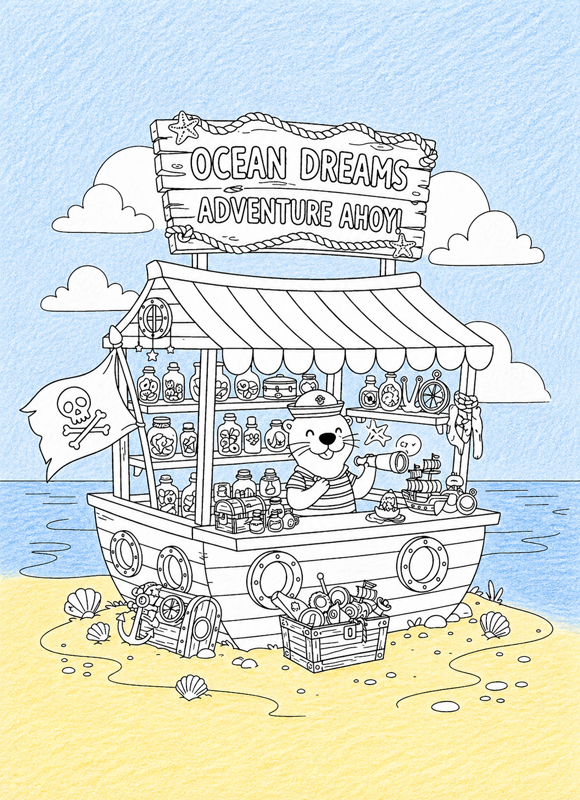
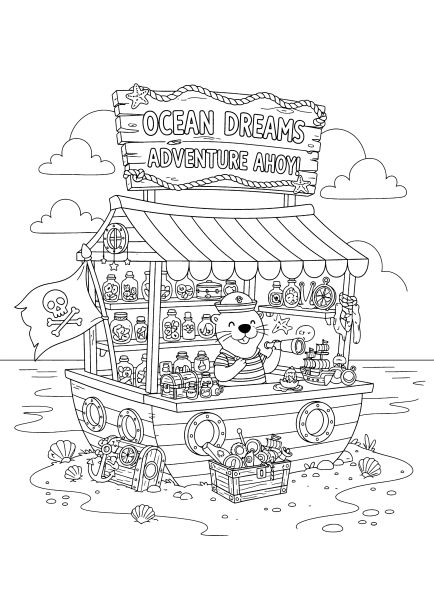
Let’s begin with the big areas — the sky, the ocean, and the sand.
Take a light blue pencil for the sky and water, and a soft yellow for the sand. Gently fill in these areas with a light, even layer.
Keep your hand relaxed so the color stays soft. It’s perfectly fine if you can see the pencil strokes — that makes it look more natural.
For now, just focus on laying down a clean base color. No shading yet.
Leave the kiosk, the otter, and all the objects untouched.
⛵ Step 2 — Color the Kiosk Structure
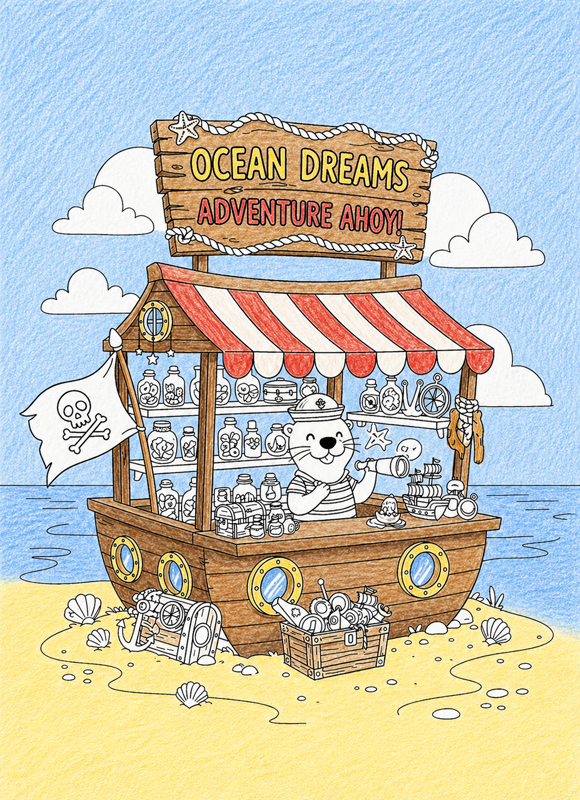
Now let’s move on to the main part of the kiosk.
Take brown for the wooden parts, and red and yellow for the striped awning and signs. Start filling in the whole structure — the body of the kiosk, the awning, and the wooden signs on top.
Use steady, simple strokes. Don’t try to make it perfectly smooth — a slightly hand-drawn look is just right here.
For now, keep it flat and simple, without adding any shadows.
Leave the otter, the flag, and all the small items inside the kiosk just as they are.
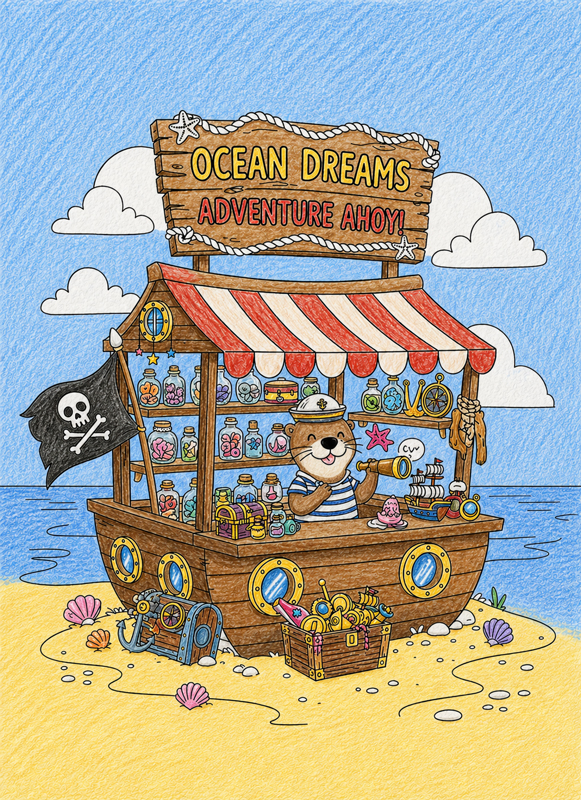
🦦 Step 3 — Color the Otter and Details
Now let’s bring the character and all the little details to life.
Start with the otter — color the fur and clothes using soft, natural tones. Then move to the pirate flag, the chests, the jars on the shelves, and the shells on the sand.
Use different colors and fill each area fully. It’s okay if your pencil strokes are visible — that gives the drawing a nice, handmade feel.
Take your time and make sure all the small parts are colored in.
Leave the background and the wooden kiosk just as they are.
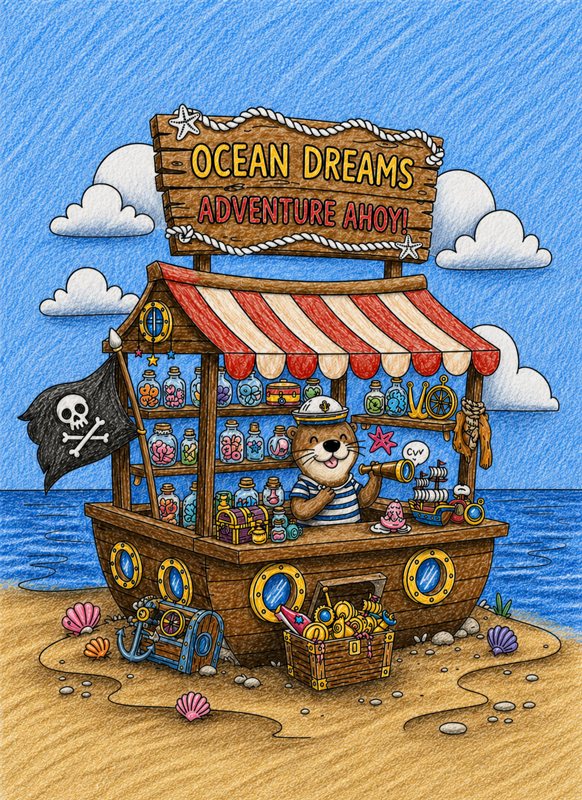
🌗 Step 4 — Add Depth to the Whole Scene
Now let’s make everything feel more alive and three-dimensional.
Take darker shades of the same colors and start adding shadows in a few key places. On the clouds and water, add a few stronger strokes to suggest depth and movement.
On the sand, add a bit of shadow under the objects so they don’t look like they’re floating. Then move to the otter — darken areas under the paws and around the neck.
Add a few darker strokes to the flag to show folds, and lightly go over some parts of the wooden beams and shelves.
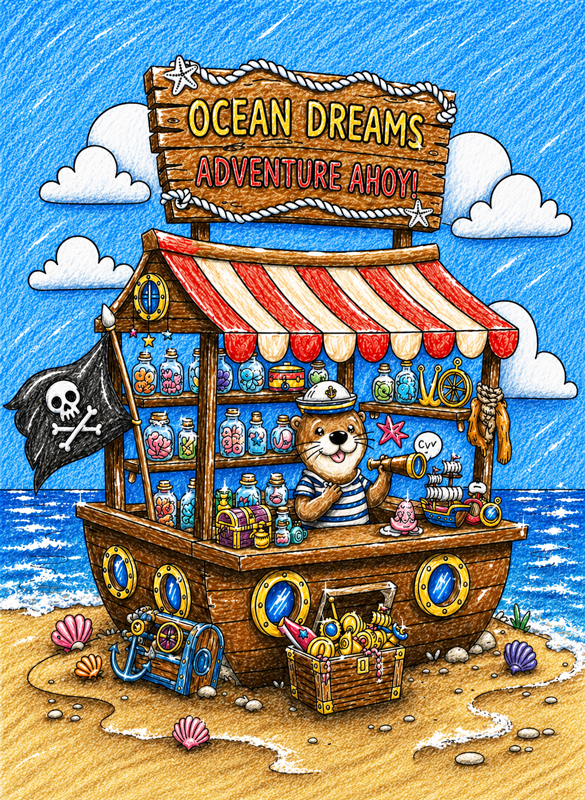
✨ Step 5 — Add Bright Highlights
Now let’s add the final sparkle.
Take a white gel pen or marker and add tiny bright spots in the otter’s eyes, on the glass jars, and on the gold coins.
Then move to the ocean. Add a few thin white strokes along the tops of the waves, and a little foam near the shoreline.
Keep the marks clear and bright, but don’t cover large areas. These are just small finishing touches.
Now the scene has that final shiny look, and the sea feels much more alive.
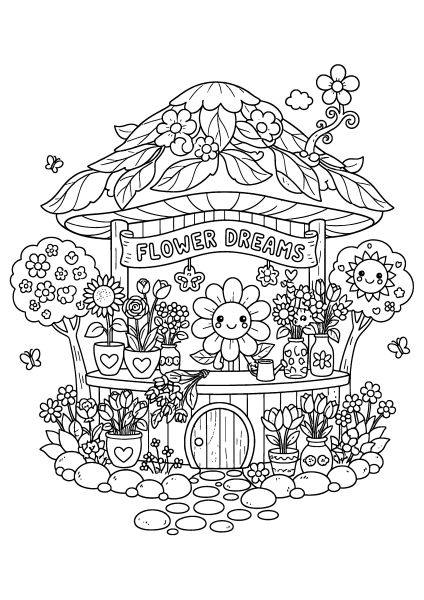
🛍️ A Closer Look at These Whimsical Little Shops
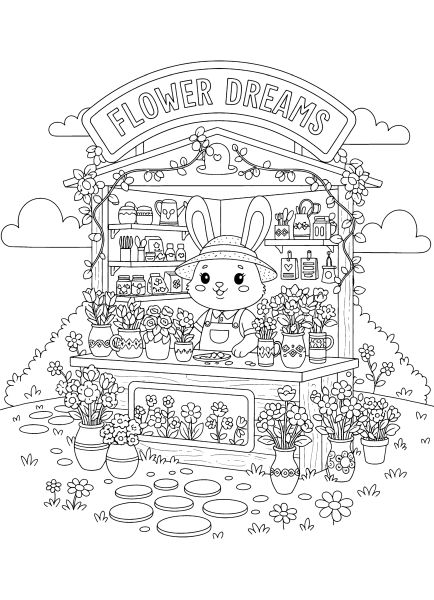
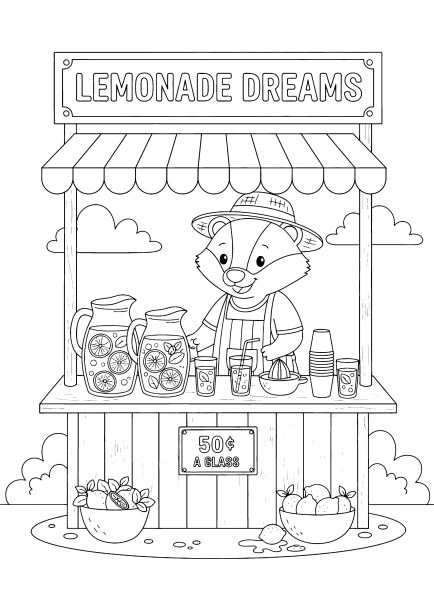
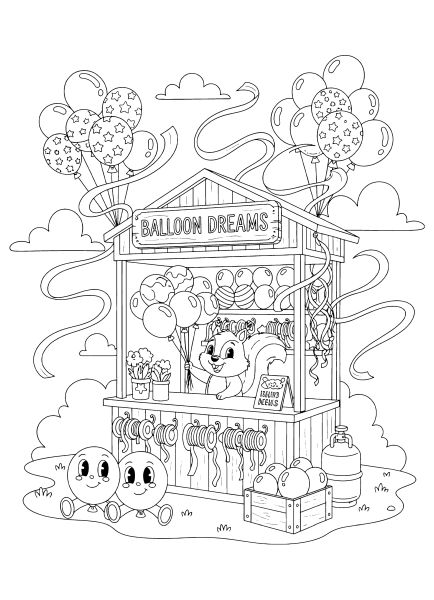
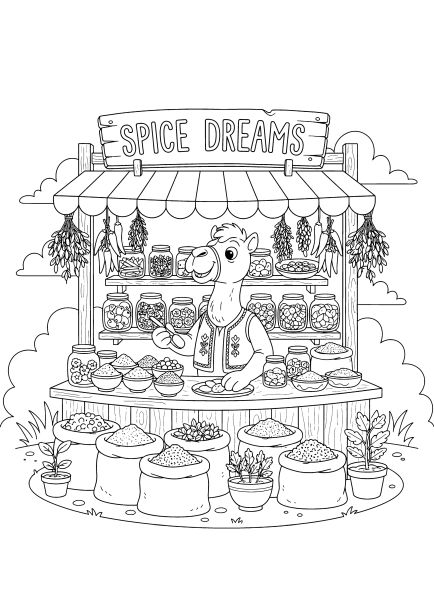
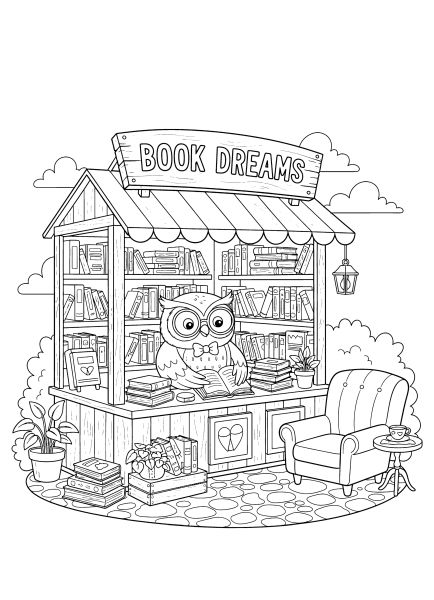
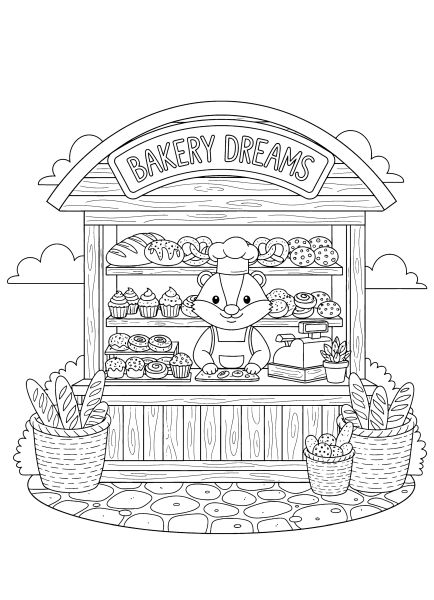
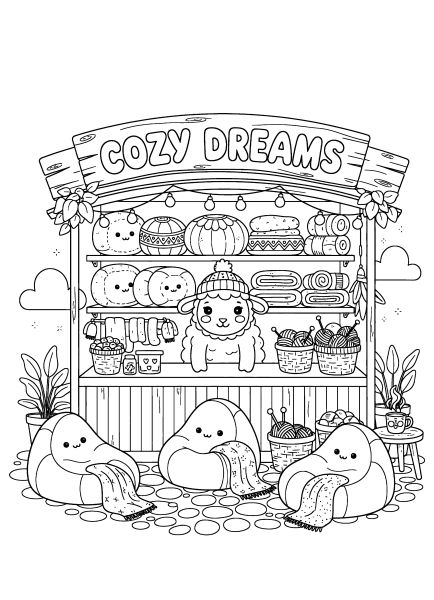
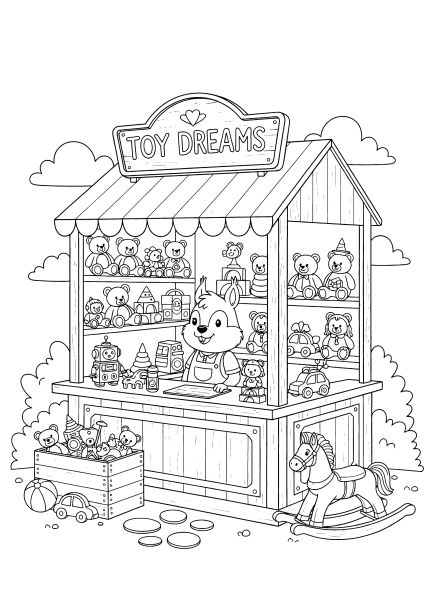
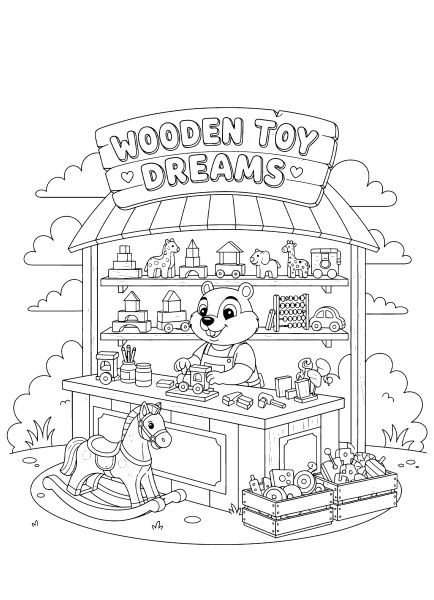
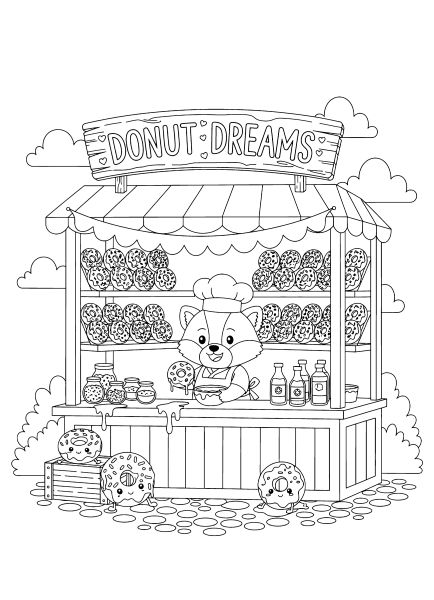
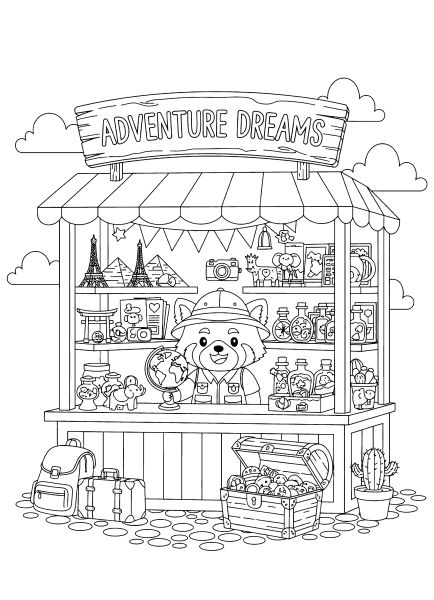
A kiosk is a particularly interesting subject for coloring because so much of its purpose is visible from the outside. Instead of hiding the shop behind walls, these drawings place the counter, merchandise, and shopkeeper directly in view. Shelves are stacked with jars, pastries, books, toys, or flowers, while signs above the canopy identify what each stand sells. Many kiosks also have tiny doors beneath their counters, making the structures look like miniature buildings. These playful architectural details distinguish the collection from ordinary store coloring pages, where the building itself usually receives more attention than the products.
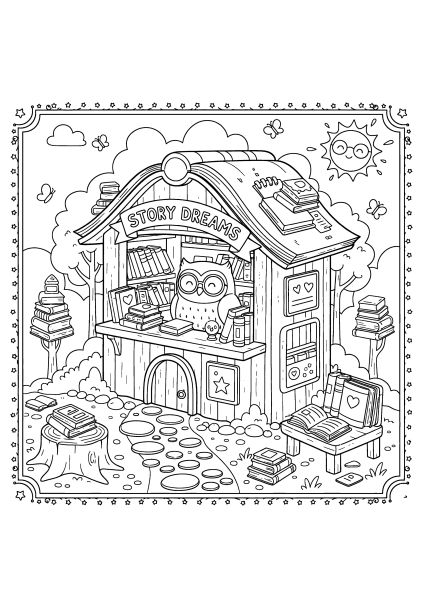
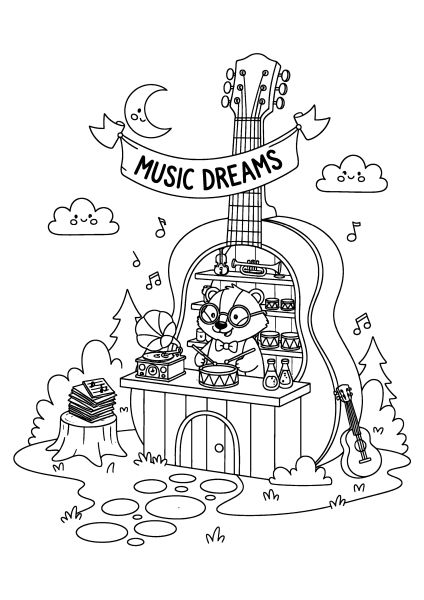
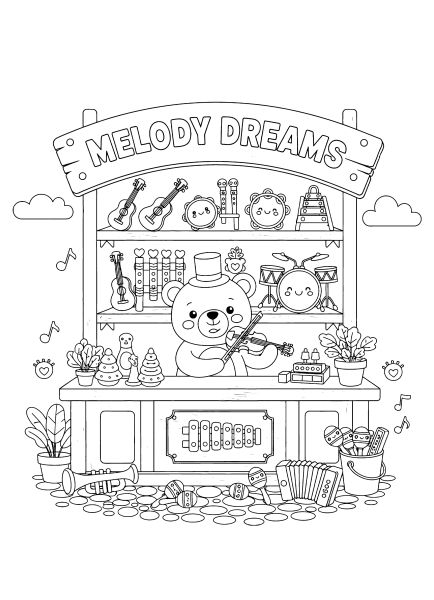
The animal shopkeepers add another layer of detail. Some wear aprons, hats, or glasses, while others hold objects connected to their work. An owl sits among books, a musician plays behind a counter filled with instruments, and a baker stands beside trays of freshly made treats. Several stalls include customers, little animals, or decorative figures outside the main structure. Their expressions and clothing can be colored independently from the kiosk, allowing a bright character to stand out against a quieter background. The result is a miniature scene with a clear activity rather than an empty storefront.
The merchandise is often the most detailed part of an illustration. A spice stall contains neatly arranged jars and sacks, while a bakery displays different shapes of bread, cakes, and pastries. The toy kiosks have small dolls, wooden animals, and miniature vehicles. Bookshelves, flower pots, art supplies, and jars of candy create different patterns across the counters. These objects offer opportunities to use several colors within a small area. Repeating a few shades across neighboring items can make crowded shelves look organized, while contrasting colors help separate individual products.
Some kiosks use objects and natural forms as part of their architecture. The coffee stand resembles an enormous cup, the fairy stall sits beneath a spotted mushroom, and a music booth incorporates a giant guitar into its structure. A seashell forms the outline of an ocean-themed counter, while another stall has a roof resembling a swirl of ice cream. These designs are different from conventional market stands, but their signs, shelves, and serving counters make their purpose immediately recognizable. The contrast between an impossible building shape and an everyday shopping activity gives the illustrations their whimsical character.
Each design is available as an individual printable A4 PDF. You can choose a food kiosk, a miniature craft stall, or a fantasy-themed shop according to the objects and level of detail you prefer. Print at 100% scale to preserve the original proportions and fine outlines, especially around small jars, lettering, display shelves, and decorative borders. Crayons and markers work well for large awnings and counters, while colored pencils are helpful for smaller merchandise and character details. Coloring the larger parts of the structure first can make it easier to choose contrasting colors for the items displayed inside.