Cozy Room Coloring Pages
🛋️ Free Printable Cozy Room Coloring Pages
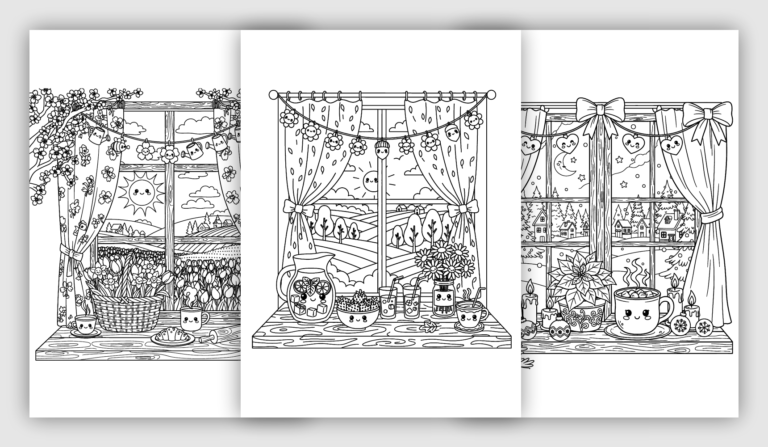
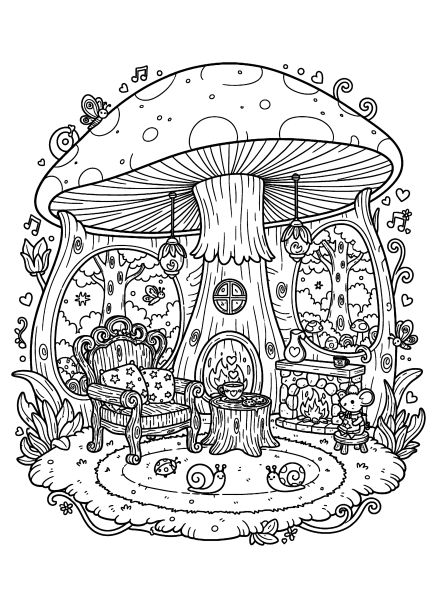
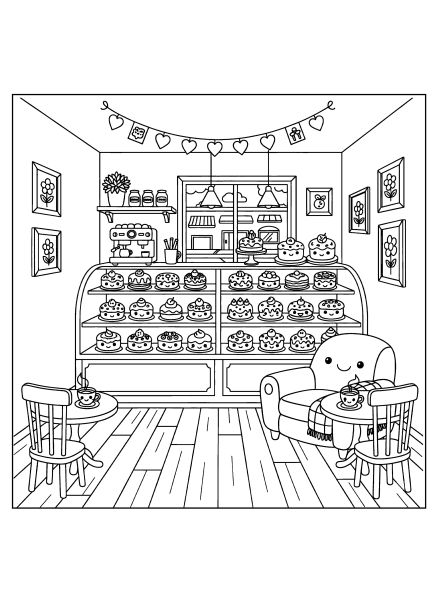
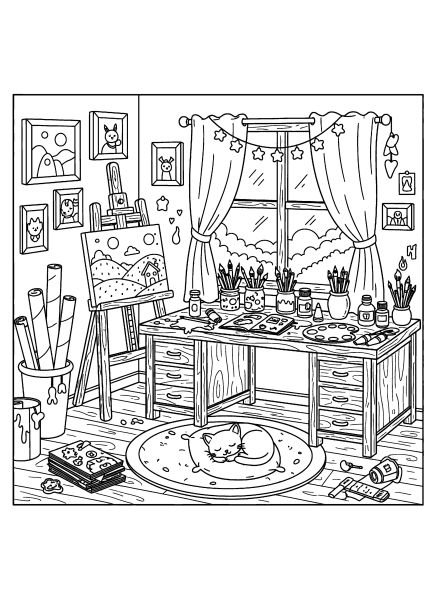
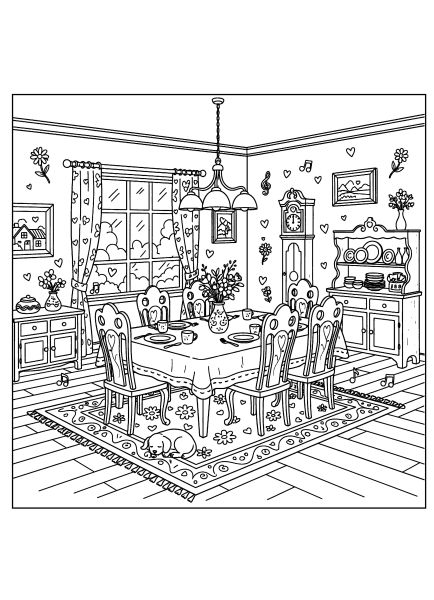
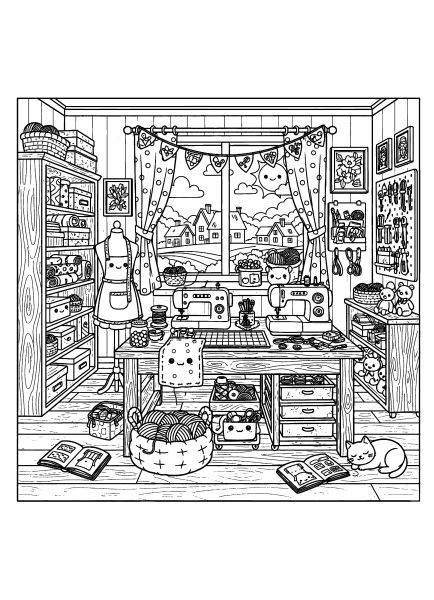
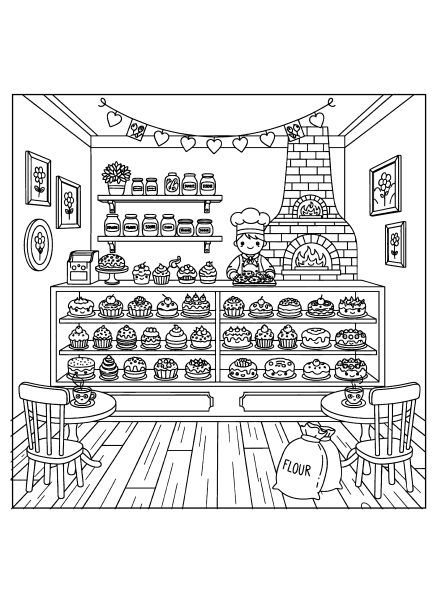
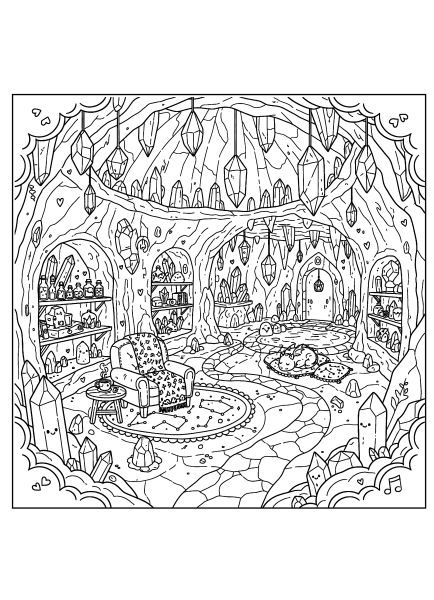
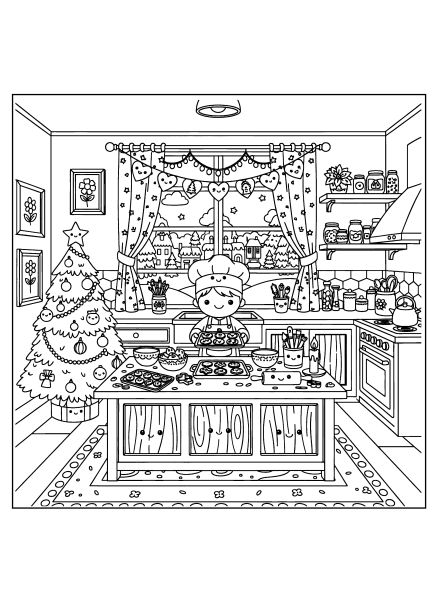
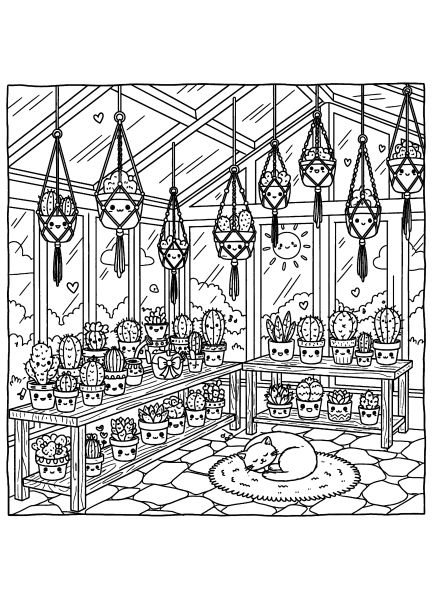
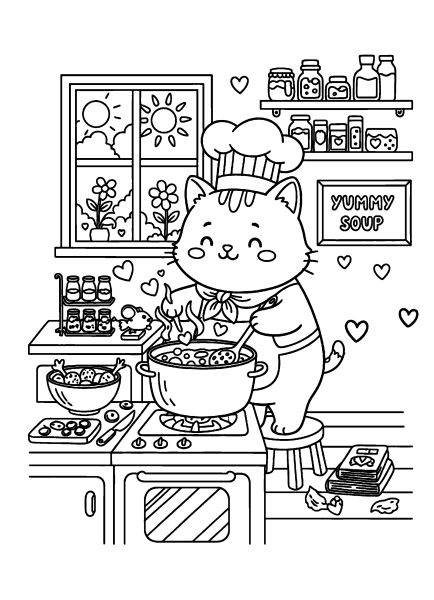
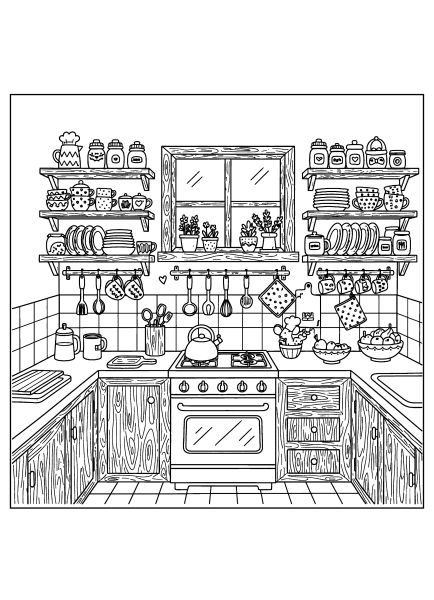
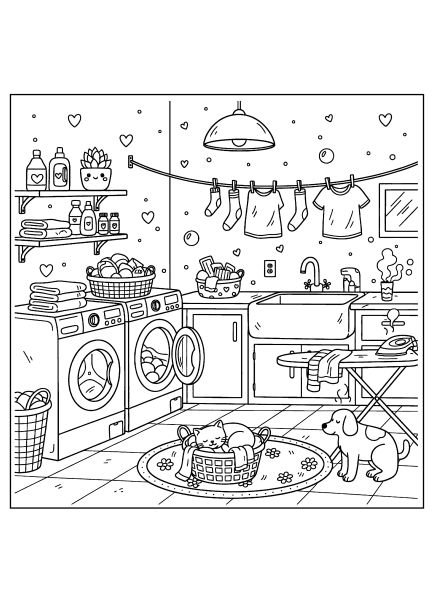
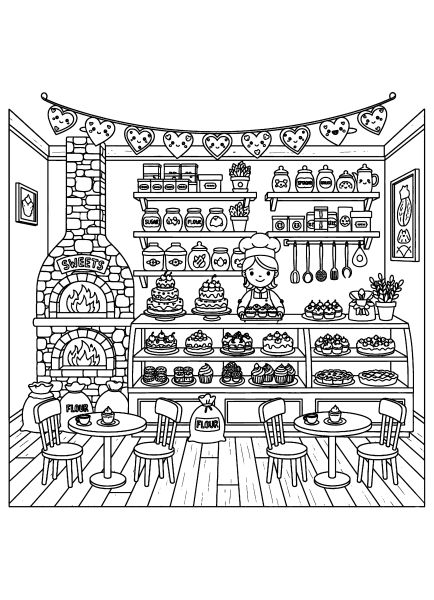
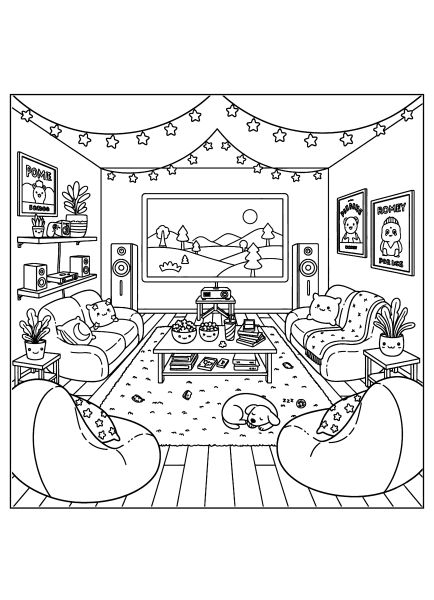
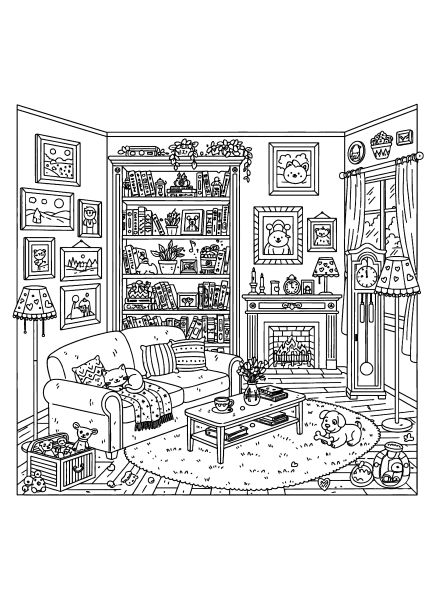
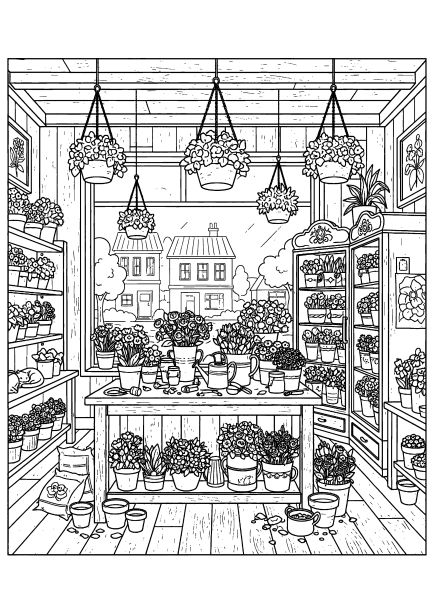
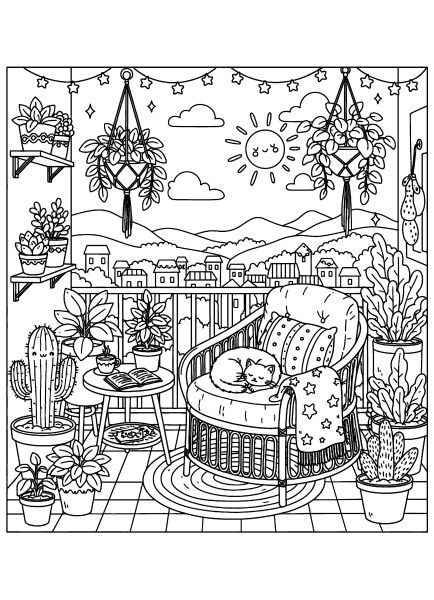
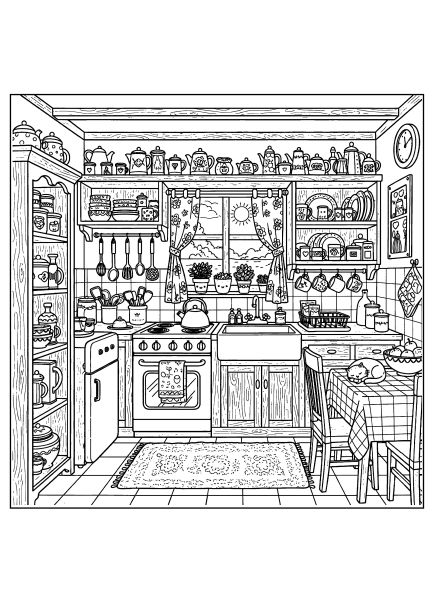
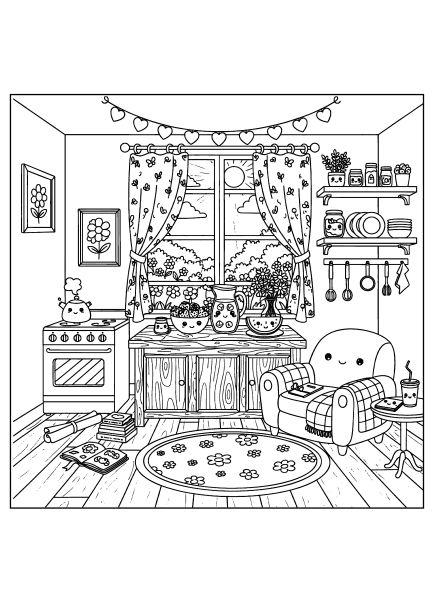
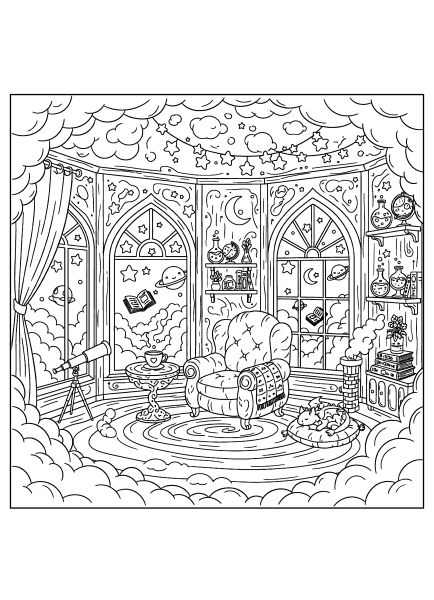
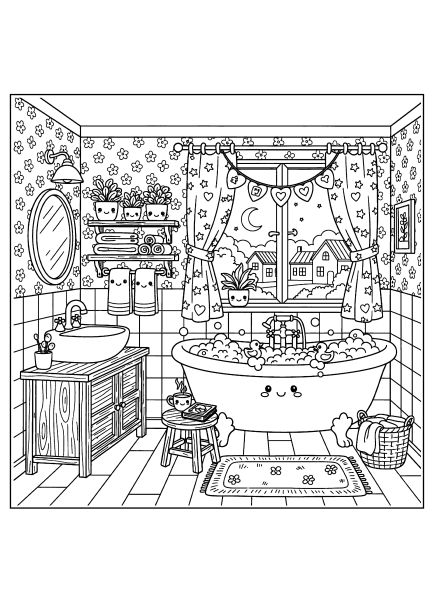
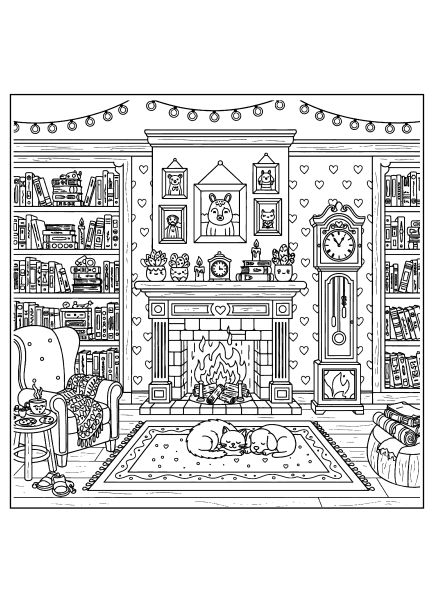
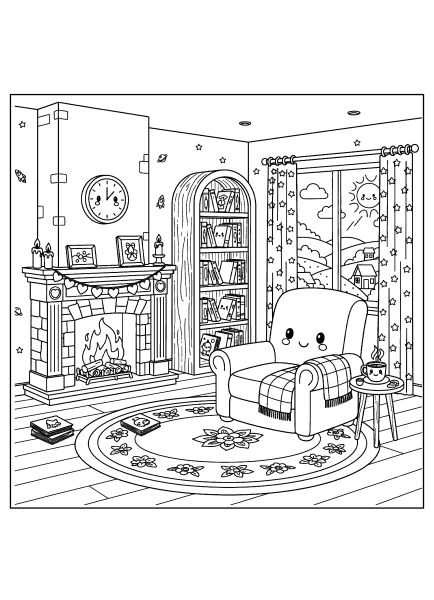
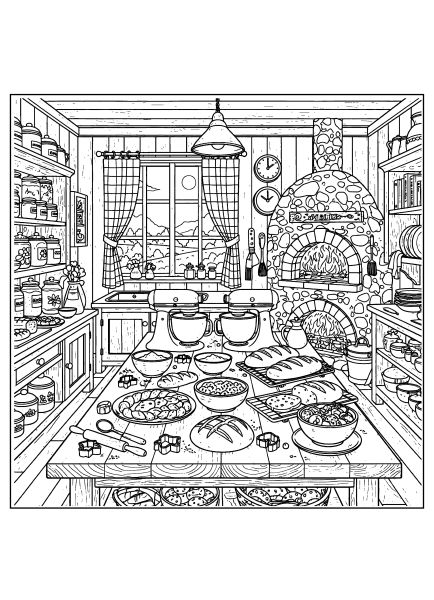
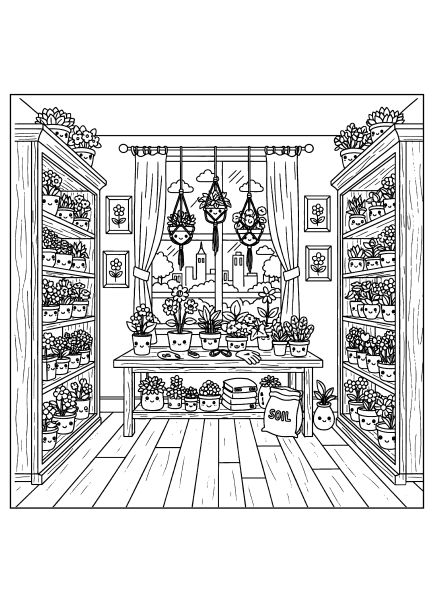
These free printable cozy room coloring pages feature inviting living rooms, comfortable reading corners, creative workspaces, kitchens, and imaginative indoor settings. Each illustration is available as an individual A4 PDF. The collection includes familiar home interiors with sofas, fireplaces, bookshelves, and sunny windows, alongside cute fantasy rooms filled with unusual furniture and playful details. Some pictures have clear, open areas that are easy to color, while others feature intricate decorations, patterned rugs, crowded shelves, and carefully arranged household objects. The emphasis is on the rooms themselves and the little details that make each space feel personal and lived in.
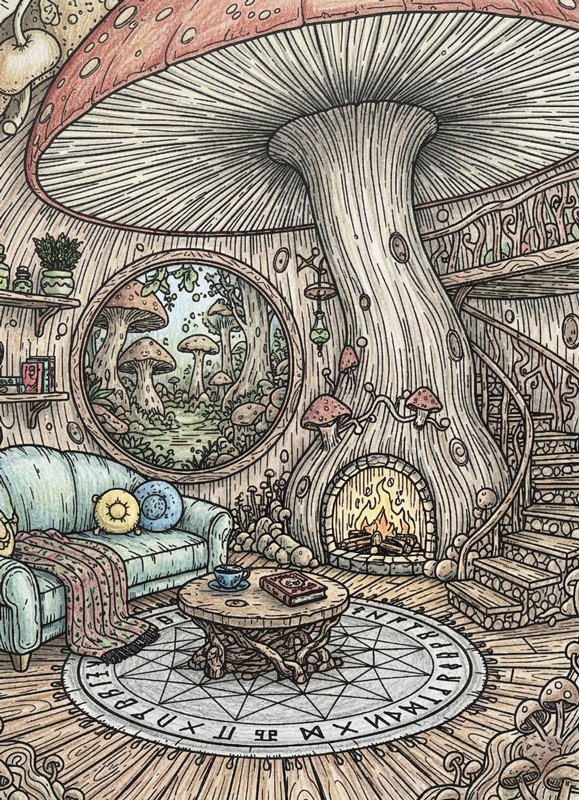
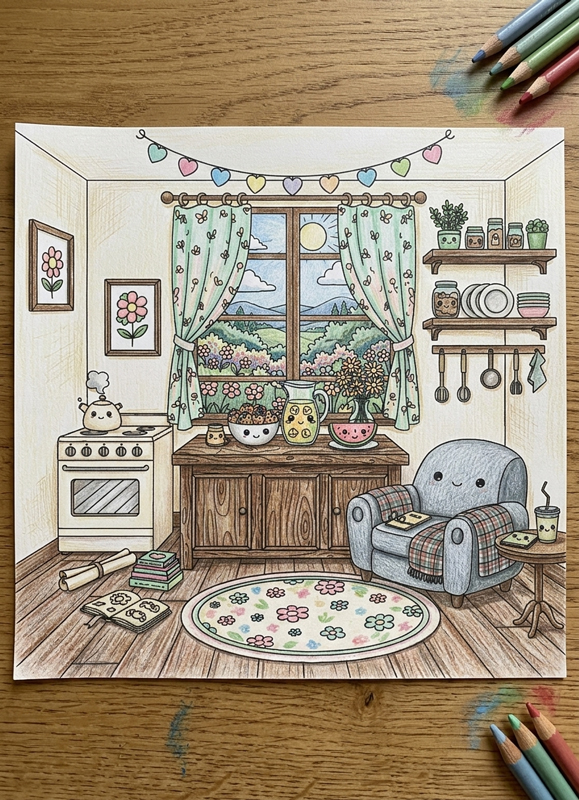
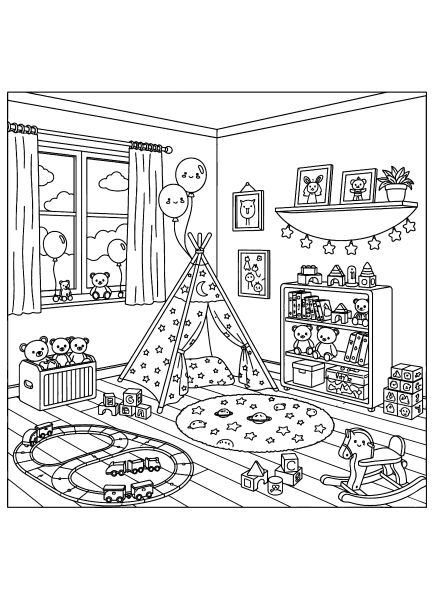
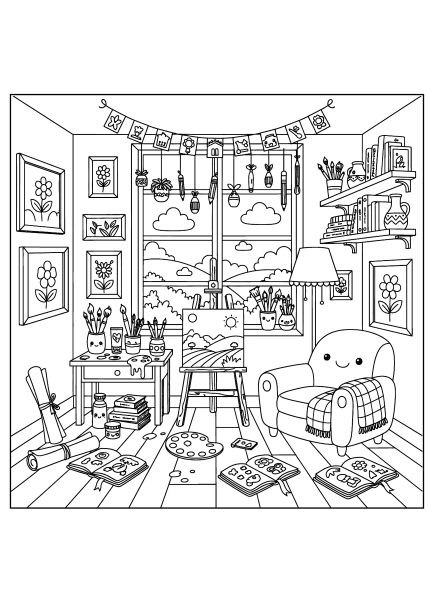
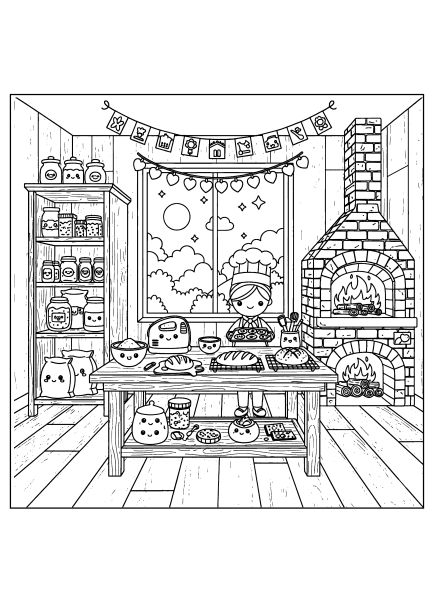
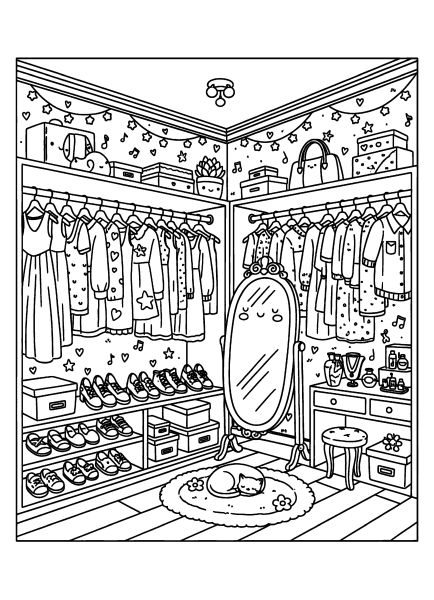
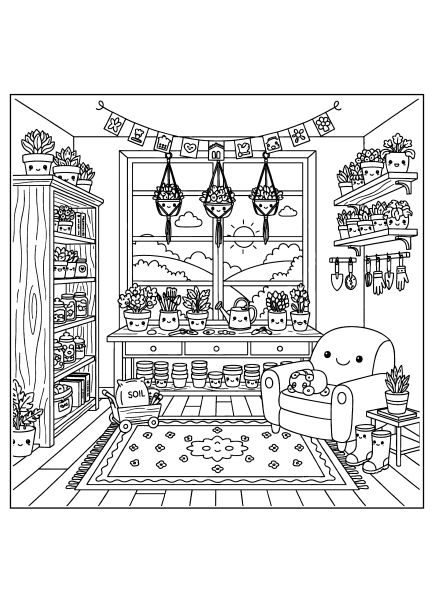
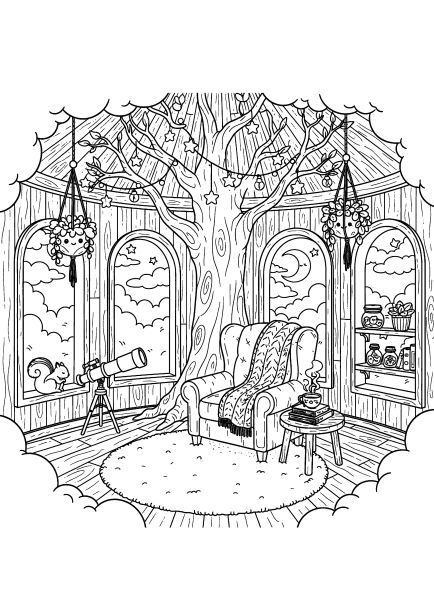
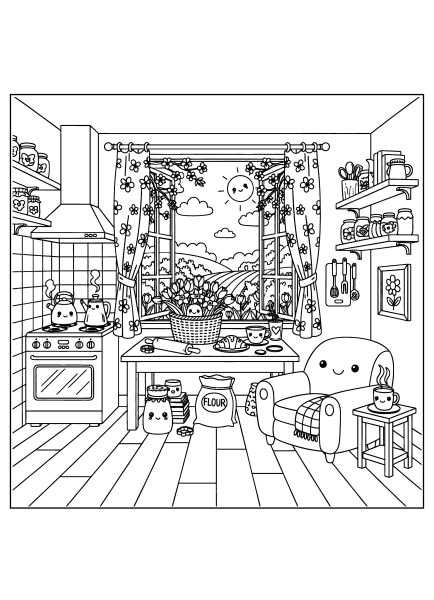
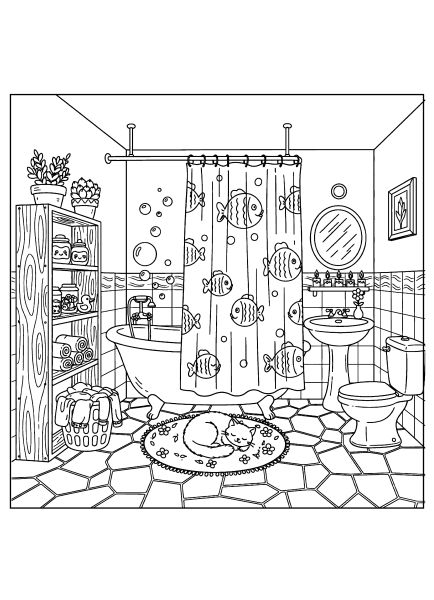
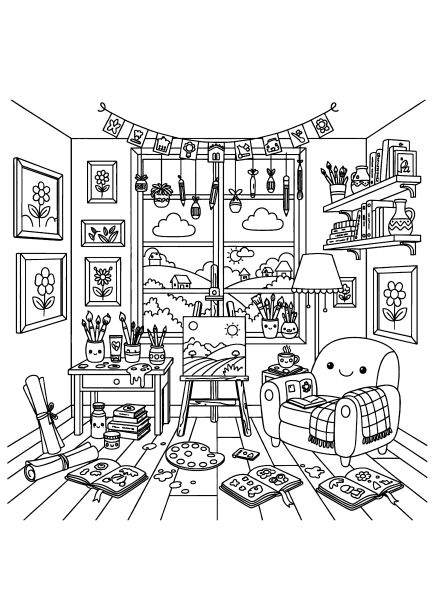
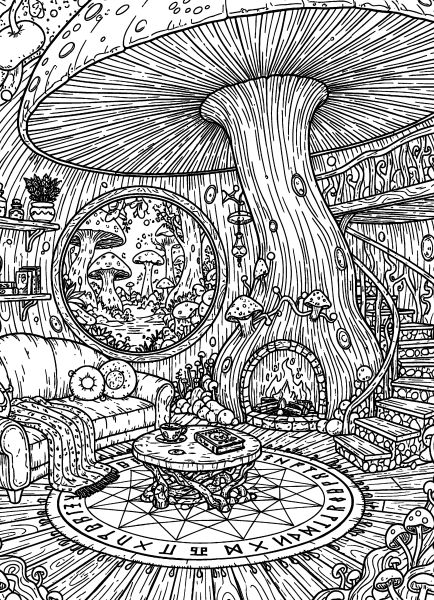
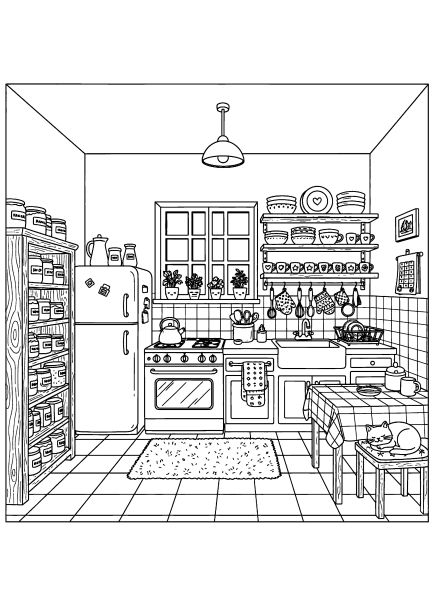
The rooms range from a peaceful living room with an armchair beside the fireplace to a tiny art studio filled with paints, brushes, and unfinished drawings. There are cozy kitchens with cooking utensils and freshly baked treats, a dressing room with hanging clothes, a bathroom with a decorated shower curtain, and a plant-filled balcony overlooking the countryside. Several illustrations have a cute cartoon style, with smiling furniture, animal characters, and miniature accessories. Others take a more whimsical direction, including a mushroom-shaped living room and a fantasy interior with arched windows beneath enormous tree branches. These different settings offer plenty of variety for anyone who enjoys coloring cozy homes and detailed indoor spaces.
🎨 Color Ideas for Cozy Rooms and Home Interiors
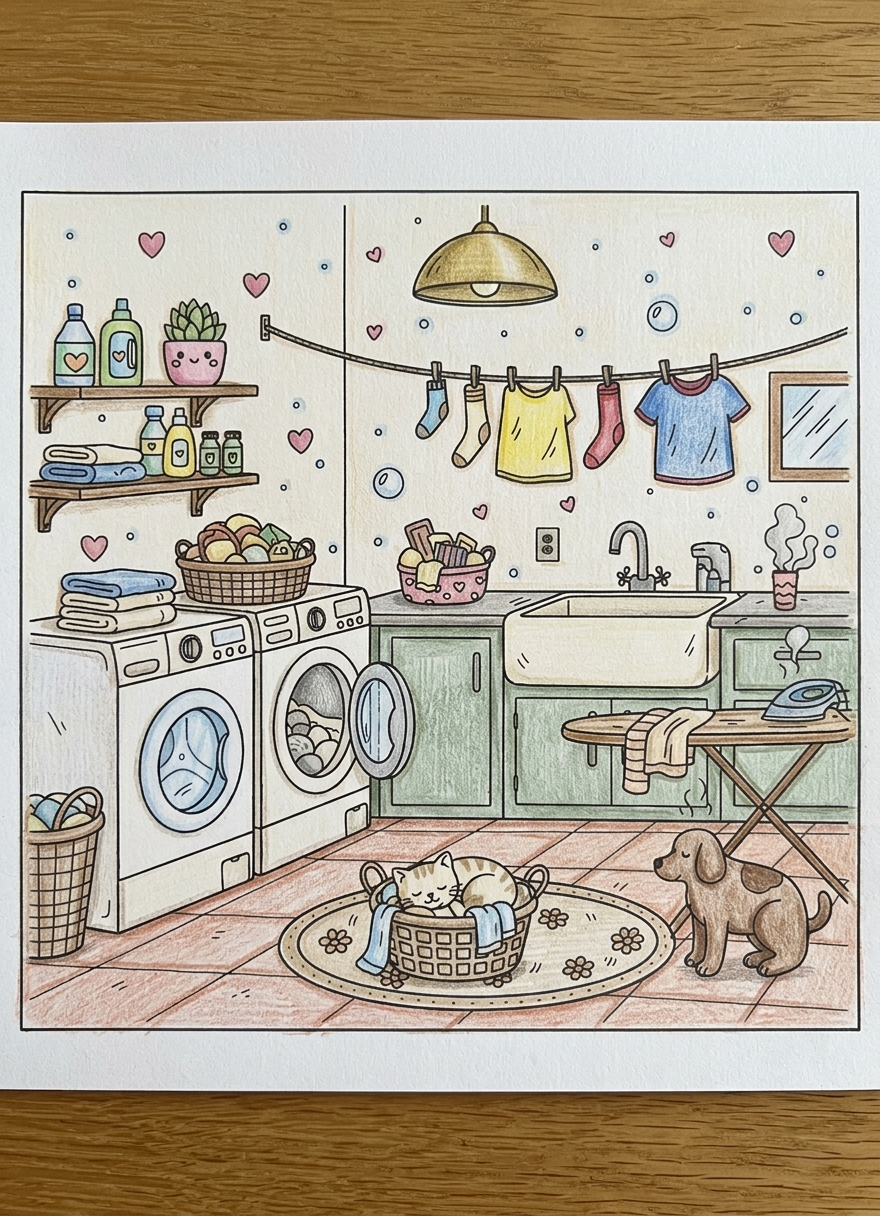
A cozy room often looks inviting when its larger surfaces share a harmonious palette. Warm cream walls, honey-colored wood, soft terracotta, and muted greens work well for living rooms and kitchens. A reading corner might combine a dusty blue armchair with a pale rug and warm brown bookshelves, while an art studio can use brighter accents on paint jars, pencils, and framed pictures. For interiors with patterned cushions, curtains, or rugs, choosing a few repeated colors can help connect the furniture and decorations without making the room look too busy.
The fantasy rooms allow a different approach. A mushroom-inspired interior might use earthy browns, mossy greens, and gentle golden tones, while a room with moon and star decorations could combine lavender, midnight blue, and silver. Kitchens and bakeries suit warm wood colors with cheerful details on dishes, jars, and pastries. You can also suggest a sunny or evening atmosphere by choosing lighter or deeper colors around windows and lamps. These palettes are examples rather than rules, and you can decorate every room with your own preferred colors. Click on any image to enlarge and explore the details up close.
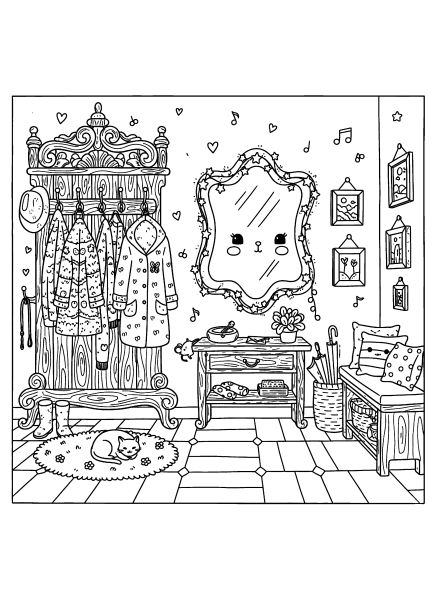
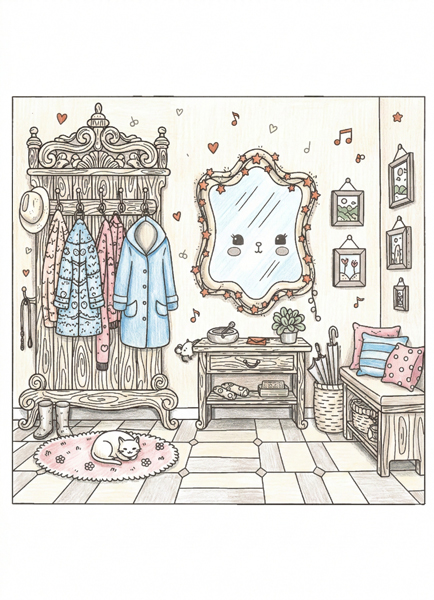
Example Coloring Hallway Interior with Mirror
This example demonstrates how a limited palette keeps a detailed interior calm and cohesive. The wooden furniture is colored in light beige, with warm gray layered gently into corners, under hooks, and along the base of the cabinet to create soft depth. Dusty pink and muted blue are repeated across textiles — coats, pillows, and small decorative elements — so the eye moves naturally around the composition. Notice that many tiny background details are either left white or only lightly tinted. This prevents visual overload and allows the main furniture and mirror to remain the visual anchor of the room. The accent color appears in small hearts and subtle decor pieces, adding warmth without dominating the scene.
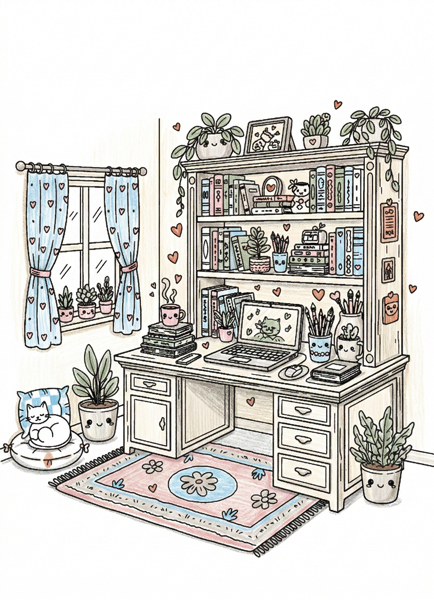
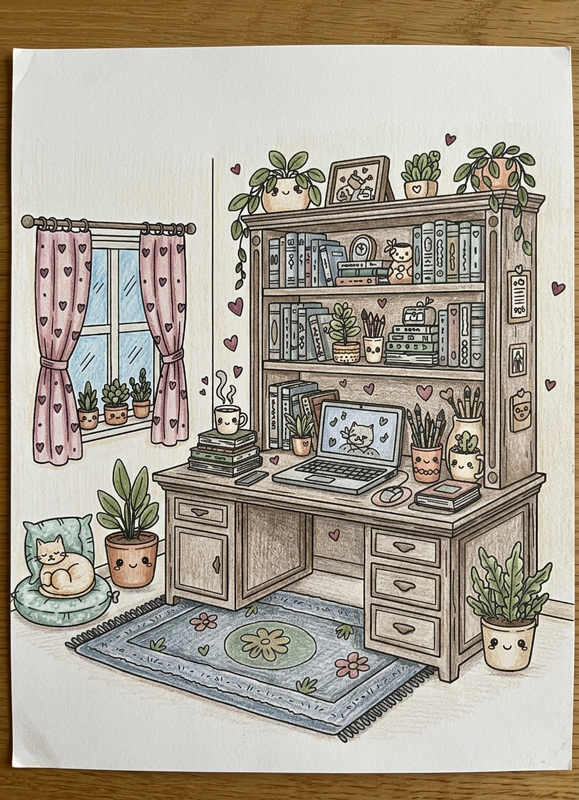
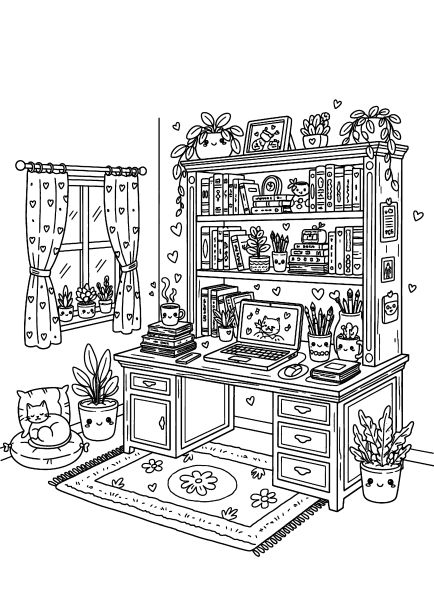
Example Coloring Study Desk with Books and Plants
This example focuses on repetition and balance. Sage green appears across plants, small decorative elements, and subtle details on the rug, tying the composition together. The desk and shelves use a light base tone with slightly darker shading beneath objects and along drawer edges to suggest depth without heavy contrast. Books are not all colored individually in bright tones; instead, selected covers repeat the main palette colors. This prevents the bookshelf from becoming chaotic. The accent color is used sparingly in small motifs, guiding attention without overwhelming the space. The result feels organized, soft, and intentionally composed rather than busy.
🏠 The Small Details That Make a Room Feel Cozy
The arrangement of furniture helps define the atmosphere of these interiors. In some living rooms, chairs and sofas face a fireplace or coffee table, creating a comfortable place to gather. Other spaces are organized around a desk, a kitchen counter, or a window overlooking the outdoors. A reading chair positioned beside a bookshelf suggests a quiet corner, while an art table surrounded by brushes and pictures tells a different story. These arrangements make the rooms recognizable even without characters. When coloring them, the relationship between furniture, walls, and flooring can be just as important as the decorative objects.
Many of the illustrations include the everyday items that give a room its personality. Books sit on shelves and beside chairs, plants fill windowsills, and framed pictures decorate the walls. Kitchens contain rows of cups, cooking utensils, jars, and dishes. Creative spaces are filled with paintbrushes, sketchbooks, pencils, and materials waiting to be used. These small objects make the scenes interesting to examine because they suggest how each room is used. They also provide opportunities to add a few bright accents to an otherwise quiet interior.
Different rooms offer different textures to color. Upholstered armchairs, soft cushions, patterned rugs, and hanging curtains contrast with the straight edges of wooden furniture and shelves. Kitchens introduce tiled walls, cabinet doors, metal utensils, and smooth countertops, while the plant-filled spaces have leaves, woven baskets, and terracotta pots. Some drawings use repeated patterns, such as floorboards, tiles, or wallpaper. Varying the intensity of a color across these surfaces can help distinguish their materials without needing complicated shading.
The more imaginative rooms show how an ordinary interior can become part of a fairy-tale setting. A giant mushroom forms the central structure of a living room, and another space has curved windows framed by enormous tree branches. Decorative stars, unusual furniture shapes, and tiny animal companions appear in several other scenes. These details make the rooms playful without losing the familiar feeling of a comfortable home. The collection also includes more conventional interior design scenes, with carefully arranged furniture and realistic room layouts. This contrast lets you choose between whimsical pictures and everyday spaces according to your coloring preferences.
Each illustration is available as an individual printable A4 PDF. You can choose a room with broad surfaces and simple furniture or a more detailed interior filled with books, plants, patterns, and accessories. Print at 100% scale to preserve the original proportions and fine outlines, particularly around small decorations, shelves, window frames, and patterned fabrics. Colored pencils are useful for narrow spaces and gentle variations in texture, while crayons and markers work well for larger walls, floors, and furniture. Choosing a few main colors before starting can help create a coordinated room, even when the illustration contains many decorative details.